1. From kimchi-making gear to fashion icon: the rise of the kimjang vest In recent years, Korea has seen a surprising fashion revival centered on the kimjang vest—a lightly padded, floral-patterned vest traditionally worn during kimchi-making season. What was once considered purely functional, and even a bit old-fashioned, has now become a trend leader among the MZ generation. This shift is closely tied to the broader rise of “Grannycore”, a style movement that reinterprets grandmother-era clothing as warm, nostalgic, and charming rather than outdated.
Floral kimjang vests worn by Korean celebrities—once purely practical winter wear, now a Grannycore fashion icon loved by both locals and foreign visitors.
Data backs this up: searches for “kimjang vest” increased more than fivefold in a single month, and the item has even ranked among top sellers on youth-oriented shopping platforms.
2. Why MZ loves it: nostalgia, comfort, and price The appeal of the kimjang vest is surprisingly practical. Designed to withstand cold kitchens during winter kimchi preparation, it features a quilted structure, warm inner lining, and a loose silhouette that makes layering easy. For younger consumers, the “cheerfully tacky” floral patterns and oversized fit feel cozy rather than awkward.
Just as important is the price: at traditional markets like Namdaemun and Dongdaemun, kimjang vests are often sold for around 5,000 KRW, while street stalls in areas like Myeongdong or Seongsu usually price them between 10,000–20,000 KRW. Even Daiso sells kimjang vests for about 5,000 KRW, making them one of the cheapest ways to participate in a uniquely Korean fashion trend.
3. Celebrity influence and global spread The kimjang vest’s leap from local markets to global visibility was accelerated by celebrities. K-pop stars such as Jennie (BLACKPINK), Karina (aespa), and even G-Dragon have been spotted wearing floral padded vests, instantly reframing the item as stylish rather than purely nostalgic. Once these images spread on social media, foreign fans began actively looking for “that Korean grandma vest” during their trips to Seoul. Japanese and European tourists, in particular, have embraced the kimjang vest as a playful symbol of everyday Korean life—something locals actually wear, not just a souvenir.
4. A perfect souvenir (even for dogs) Another reason for its popularity among travelers is how gift-friendly it is. Lightweight, inexpensive, and available in endless colors, kimjang vests are easy to buy in multiples—many shoppers pick up several at once for family or friends.
There are even kimjang vests designed for dogs, which makes them a memorable and humorous gift for pet lovers. In that sense, the kimjang vest has become more than clothing; it’s a small, wearable piece of Korean daily culture that blends warmth, humor, and nostalgia.
Understanding what happens financially when you leave a job in Korea is especially important for foreign employees. Korea offers strong statutory protections around severance pay, and in certain cases, an additional system called Departure Guarantee Insurance (출국만기보험) may also apply.
I. Statutory Severance Pay in Korea (퇴직금)
1. Severance pay is a legal right, not a benefit. Under Korean law, any employee—including foreign employees—who has worked for one year or more is entitled to statutory severance pay. The basic formula is approximately one month’s average wage for each completed year of service. This entitlement applies regardless of how or why the employment ends, meaning resignation, contract expiration, redundancy, or even termination for misconduct do not affect the right to receive severance.
2. The rule applies equally to foreign employees. A common misconception among foreign workers is that severance pay is limited to Korean nationals or permanent residents. In reality, statutory severance is a mandatory entitlement under Korean labor law and applies equally to foreign employees who meet the minimum service requirement. Visa type or nationality does not change this basic rule.
3. Employers can pay severance directly or through a pension system. Companies may comply with severance obligations in one of two ways. The first is paying severance directly at the end of employment based on the statutory formula. The second is adopting a retirement pension plan, in which case severance is paid according to the pension plan instead of a lump-sum calculation at termination.
4. Understanding DB and DC retirement pension plans matters. If your employer uses a retirement pension system, it is crucial to confirm which type applies.
A Defined Benefit (DB) plan guarantees a severance amount calculated based on salary and years of service, with the employer bearing investment risk.
A Defined Contribution (DC) plan, on the other hand, involves regular employer contributions to an individual account, where the final payout depends on investment performance. Foreign employees should always check which system their company uses and manage DC accounts carefully, as investment choices directly affect the final severance amount.
5. Practical takeaway for foreign employees. Always confirm your company’s severance or pension structure when joining a Korean company. Regardless of the reason for leaving, severance pay is not discretionary—it is legally protected. Knowing how it will be paid allows you to plan tax, remittance, and departure timing more effectively.
II. Departure Guarantee Insurance (출국만기보험) for Foreign Workers
1. What is departure guarantee insurance? Departure guarantee insurance is a system designed specifically to ensure that foreign workers receive their severance pay when leaving Korea. Instead of paying severance directly at termination, the employer purchases an insurance policy for the foreign employee, which pays out when the employee departs Korea after employment ends.
2. Who is required to enroll in this insurance? This insurance primarily applies to employers hiring non-professional foreign workers under the Employment Permit System (EPS). Employers must enroll eligible foreign employees in the insurance within 15 days from the effective date of the employment contract, naming the foreign employee as the insured or beneficiary. The obligation applies where the foreign worker has one year or more remaining in their permitted employment period.
3. Expansion of coverage to small workplaces. Previously, severance-related obligations were limited mainly to workplaces with five or more employees. However, since 2010, the retirement benefit system—including mechanisms like departure guarantee insurance—has been expanded to cover workplaces with fewer than five employees, significantly strengthening protection for foreign workers in small businesses.
4. How the insurance works in practice. The employer pays insurance premiums during the employment period, and when the foreign employee leaves Korea after employment ends, the insurance pays out an amount corresponding to statutory severance. This system reduces the risk of unpaid severance due to employer insolvency or disputes at the time of departure.
5. Enrollment and administration process. Employers can enroll in departure guarantee insurance through employment training institutions, designated insurance providers, insurance company call centers, or regional customer support centers. From the employee’s perspective, it is important to confirm early on whether this insurance has been properly set up, as it directly affects how severance will be received later.
6. Why this matters for foreign employees. For foreign workers planning to leave Korea after their contract ends, departure guarantee insurance offers an added layer of security. Instead of negotiating severance at the final stage of employment, the payout is structured in advance, reducing uncertainty and administrative stress during departure.
Final Thought for Foreign Employees in Korea
Korea’s system is distinctive in that statutory severance pay is guaranteed regardless of nationality, and additional mechanisms like departure guarantee insurance further protect foreign workers. By understanding both systems—standard severance rules and insurance-based protection—you can better safeguard your earnings and make informed decisions about employment, contract renewals, and your eventual departure from Korea.
Korea has quietly become one of the world’s most attractive destinations for medical tourism, and the reason is simple: top-tier medical services at remarkably affordable prices, combined with a travel experience that goes far beyond hospitals and clinics. Today, medical tourism in Korea is no longer just about treatment—it is about beauty, recovery, culture, and lifestyle, all seamlessly woven into one trip.
At the heart of this trend is Korea’s globally recognized strength in dermatology and plastic surgery. These fields consistently rank at the top of foreign medical spending, reflecting Korea’s reputation for advanced technology, skilled specialists, and refined aesthetic sensibility. What makes Korea stand out, however, is that this level of care comes at a fraction of the cost found in many Western countries, without compromising quality or safety.
But Korea’s appeal goes far beyond medical procedures alone. Unlike traditional medical tourism destinations, Korea offers a fully integrated experience. Visitors often combine medical appointments with skincare shopping, K-beauty treatments, wellness programs, and even K-POP-inspired experiences. It is not uncommon for patients to attend concerts, visit filming locations of Korean dramas, or enjoy traditional cultural activities while recovering. This unique combination turns medical travel into a well-rounded lifestyle journey rather than a purely clinical visit.
Seoul: The Center of Korea’s Medical Tourism
Within Korea, Seoul dominates the medical tourism landscape, accounting for the vast majority of foreign medical spending. The city’s infrastructure, accessibility, and concentration of top hospitals and clinics make it the natural first choice for international patients. Medical services here are tightly connected with shopping, dining, and accommodation, creating a smooth and comfortable experience even for first-time visitors.
Why Gangnam and Apgujeong Are Ideal for Medical Travelers
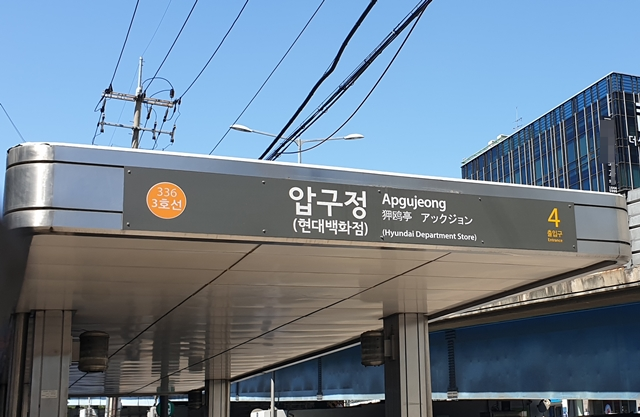
Among Seoul’s districts, Gangnam and Apgujeong stand out as the most popular areas for medical tourists—and for good reason. These neighborhoods are home to hundreds of specialized dermatology and plastic surgery clinics, many of which cater specifically to international patients with multilingual staff and concierge-style services.
Gangnam an Apgujeong are two of the ideal areas for medical travelers in Seoul.
Beyond medical facilities, Gangnam and Apgujeong offer everything a medical traveler might need: luxury hotels, serviced residences, high-end department stores, and countless cafés and restaurants suitable for recovery-friendly meals. The areas are walkable, safe, and designed around convenience, making them ideal for short-term stays as well as longer recovery periods.
A Destination That Blends Care, Beauty, and Culture
What truly sets Korea apart is how naturally medical care blends with everyday life and culture. Patients can move effortlessly from a clinic appointment to a skincare flagship store, from a recovery café to an art gallery, and from a wellness spa to a cultural landmark—all within the same neighborhood. This layered experience is difficult to replicate elsewhere and is a major reason why repeat visits are so common.
As global interest in wellness, beauty, and preventative care continues to grow, Korea’s medical tourism model offers a compelling blueprint. High-quality healthcare, transparent pricing, cultural richness, and urban convenience come together in a way that feels both efficient and enjoyable.
For travelers considering medical tourism, Korea—and especially Seoul’s Gangnam and Apgujeong districts—is not just a place to receive treatment. It is a destination where healthcare meets lifestyle, and where a medical trip can feel like a thoughtfully curated journey into modern Korean culture.
If you’re spending winter in Seoul, there’s one seasonal experience that locals and visitors alike look forward to every year: the Seoul Plaza Ice Skating Rink right in front of City Hall. Affordable, atmospheric, and incredibly central, this open-air rink has quietly become one of Seoul’s most beloved winter traditions—and it’s back again this season.
A Classic Seoul Winter Experience, Right in the City Center
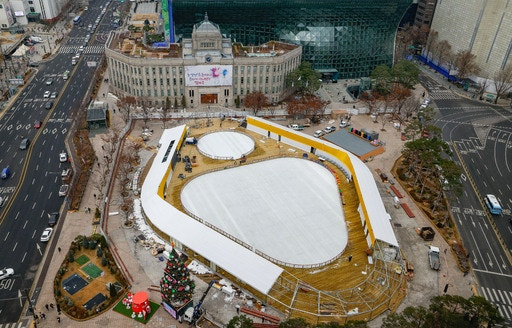
The Seoul Plaza Ice Skating Rink opens for its 19th winter season on December 19, transforming the plaza in front of Seoul City Hall into a lively winter playground. The rink will be open for 52 days, until February 8, making it a perfect stop whether you’re visiting Seoul for a short trip or spending the entire winter here. Few cities offer ice skating in such a dramatic urban setting, with historic buildings, modern offices, and festive lights all around you.
Skating for Just 1,000 Won
One of the most surprising things for first-time visitors is the price. Since its opening in 2004, the admission fee has remained just 1,000 KRW, including skate rental. In a city where winter activities can add up quickly, this makes Seoul Plaza Ice Skating Rink one of the most budget-friendly experiences you’ll find. The rink operates from 10:00 AM to 9:30 PM, and stays open even later—until 11:00 PM on Saturdays and public holidays.
This Year’s Theme: “Wintering”
For this season, the rink is designed around the theme “Wintering,” focusing on warmth and brightness despite the cold weather. The plaza is wrapped in a glowing diamond-shaped ring of soft yellow lights, creating a cheerful and welcoming atmosphere that feels especially magical after sunset. Even if you don’t skate, it’s worth visiting just to enjoy the scenery and take photos.
Opening Ceremony and Special Guests
The opening ceremony on December 19 at 5:00 PM will feature a percussion performance, a celebratory figure skating show, and appearances by notable guests—including Cha Jun-hwan, Korea’s star figure skater, and Shim Suk-hee, a short-track speed skating legend and Olympic Gold Medalist preparing for the upcoming Winter Olympics. It’s a rare chance to see top Korean winter sports athletes up close in a casual, public setting.
More Than Skating: Winter Programs at Seoul Plaza
Skating is only part of the experience. From January 31 to February 7, visitors can explore interactive promotion booths for luge and bobsleigh, two Winter Olympic sports that many people have never seen in person. You’ll be able to view real equipment and learn how these high-speed sports work.
The plaza also hosts a Local Market Zone, expanded from last year’s direct farmers’ market. Vendors from Gunsan City in Jeollabuk-do will sell local agricultural products, snacks, and comfort food—perfect for warming up after skating.
Things to Know Before You Go
Because it’s an outdoor rink, operations may pause due to heavy snow, rain, or poor air quality, so it’s a good idea to check the official Seoul city website before heading over. Dress warmly, wear gloves, and plan to arrive a bit early during peak evening hours, especially on weekends.
Why Ice Skating in the heart of Seoul is a Worthwhile Experience
The Seoul Plaza Ice Skating Rink captures something very special about winter in Seoul: it’s communal, affordable, and right in the heart of the city. Whether you’re a confident skater or stepping onto the ice for the first time, this is one of those seasonal experiences that helps you understand how Seoul celebrates winter—together, outdoors, and with a surprising amount of charm.
K-pop fandom is famous for its passion, creativity, and emotional closeness between artists and fans. One of the most distinctive expressions of that relationship has long been “support culture”, often referred to as jogong—a tradition where fans send gifts, food trucks, or birthday presents to express love and encouragement. While this culture once symbolized devotion and celebration, recent changes show how K-pop continues to evolve in a more sustainable and positive direction, focusing on mutual care rather than material exchange.
What Is “Jogong”? A Unique Part of K-Pop Fan Culture Jogong originally described an offering made to show respect or loyalty, and in modern K-pop it came to mean fan-organized gifts or support for artists. These ranged from handwritten letters and snack boxes to birthday billboards, coffee trucks, and carefully curated presents. At its core, jogong reflected fans’ desire to emotionally support artists during busy schedules, comebacks, and milestones—often organized collectively and with a strong sense of community.
When Love Became Competition As K-pop grew globally, jogong sometimes became more visible—and more competitive. High-profile examples, especially involving popular idols with large international fanbases, drew attention to luxury gifts worth hundreds of thousands or even millions of dollars. While these gestures were rooted in affection, concerns began to rise about financial pressure on fans and an unspoken competition over scale rather than sincerity. What was meant to be heartfelt support sometimes risked becoming a burden.
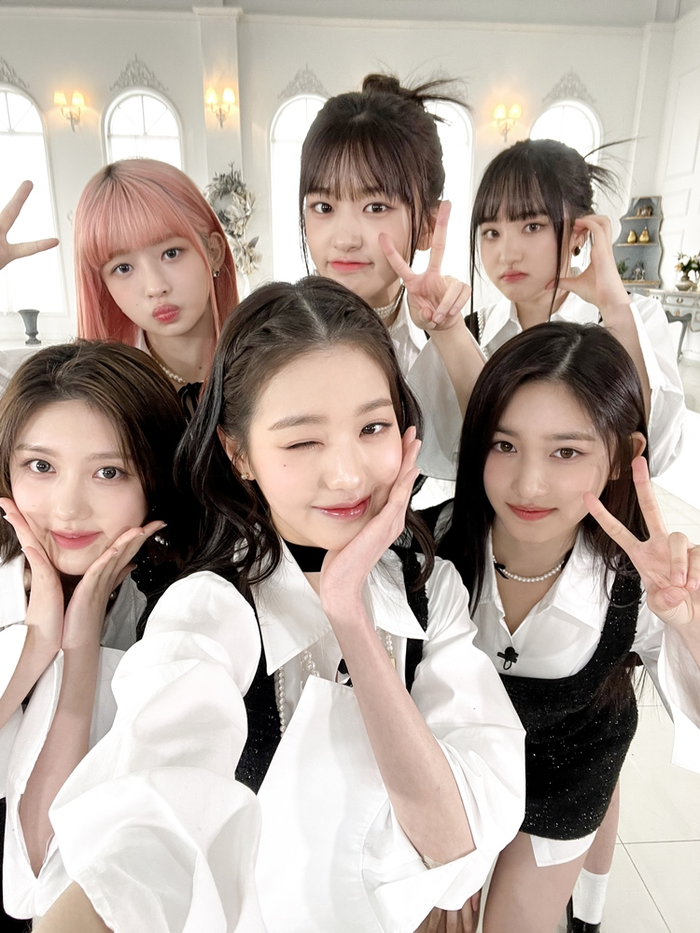
IVE’s Message: “Your Hearts Are Enough” Recently, IVE announced that they would no longer accept fan gifts or organized support, choosing to receive only fan letters instead. The message was simple and warm: appreciation for fans’ feelings, paired with a hope that time, energy, and money would return to places meaningful to fans themselves. This decision was widely interpreted not as rejection, but as care—an artist choosing fans’ well-being over material expression.
IVE recently announced that they would no longer accept fan gifts or organized support, choosing to receive only fan letters instead, which depicts a growing trend across K-POP.
A Growing Trend Across K-Pop IVE is far from alone. Over the years, artists such as BTS, IU, TWICE, SEVENTEEN, aespa, DAY6, and others have taken similar stances. Some explicitly refuse gifts, while others encourage alternatives like donations made in the artist’s name.
In some cases, the culture has flipped entirely, with artists preparing “reverse support”—gifts, food, or events prepared for fans as a thank-you gesture. This shift reinforces the idea that fandom is a two-way relationship, built on respect rather than obligation.
From Spending to Meaning: How Fans Are Adapting As gift-based support declines, many fan communities have redirected their passion into charitable projects, environmental campaigns, or social causes inspired by their favorite artists. These efforts preserve the spirit of jogong—love, unity, and impact—while aligning with values of sustainability and inclusivity. For international fans especially, this evolution makes K-pop fandom feel more accessible and emotionally grounded.
Why This Evolution Feels Very “K-Pop” Rather than clinging to tradition, K-pop continuously redefines itself. The shift away from material-heavy support culture reflects maturity on both sides: artists acknowledging fans’ realities, and fans expressing love in healthier, more creative ways. It highlights one of K-pop’s most admirable traits—the ability to grow while keeping its emotional core intact.
For newcomers exploring K-pop culture, this evolution offers a reassuring message. Loving an artist does not require spending money or competing with others. Sometimes, a letter, a stream, or shared joy is more than enough. And in today’s K-pop world, that message is being heard louder than ever.
If you have traveled even a little, chances are you have already seen Shin Ramyun and Buldak Bokkeum Myun on supermarket shelves around the world. They are iconic—almost symbolic—of K-ramyeon. But because they are now available almost everywhere, many travelers visiting Korea start to wonder: Is there a ramyeon I can try that actually feels special to Korea itself?
If you want to go deeper into everyday Korean food culture, convenience-store cup ramyeon is the perfect place to start. Affordable, easy to find, and surprisingly diverse, here are five Korean cup ramyeon that locals casually enjoy—and that curious travelers should absolutely try while in Korea.
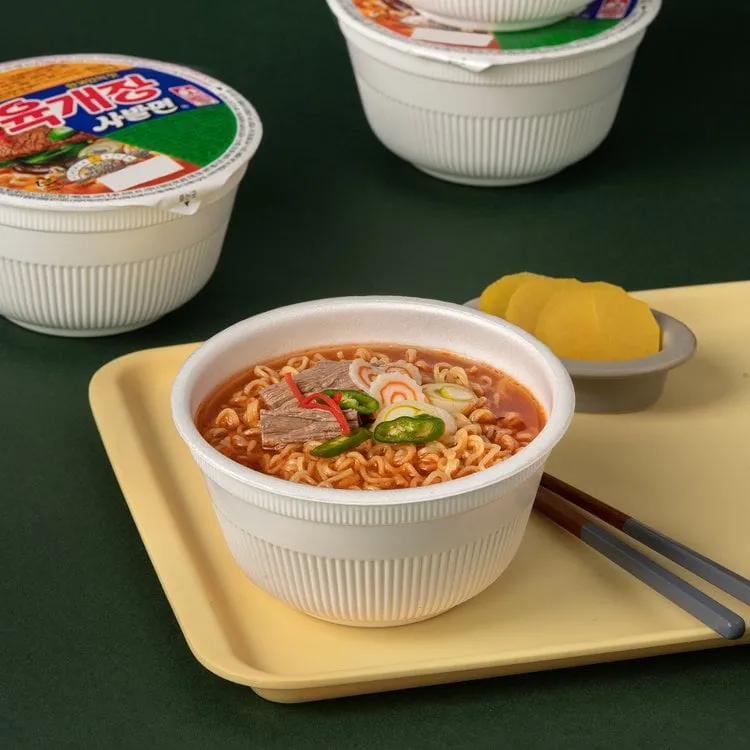
1. Yukgaejang Cup (육개장 사발면) – A Local Classic with Unique Noodles
Yukgaejang Cup is one of the most iconic cup ramyeon in Korea, especially as a late-night snack or a quick meal. What really sets it apart is its thin yet chewy noodles, which feel noticeably different from the thicker noodles found in many exported ramyeon products. The broth is mildly spicy and savory rather than aggressively hot, making it easy to enjoy even if you are not used to Korean spice levels.
There is also a Kimchi Yukgaejang Cup version, which adds a slightly tangy kick and is just as popular among locals.
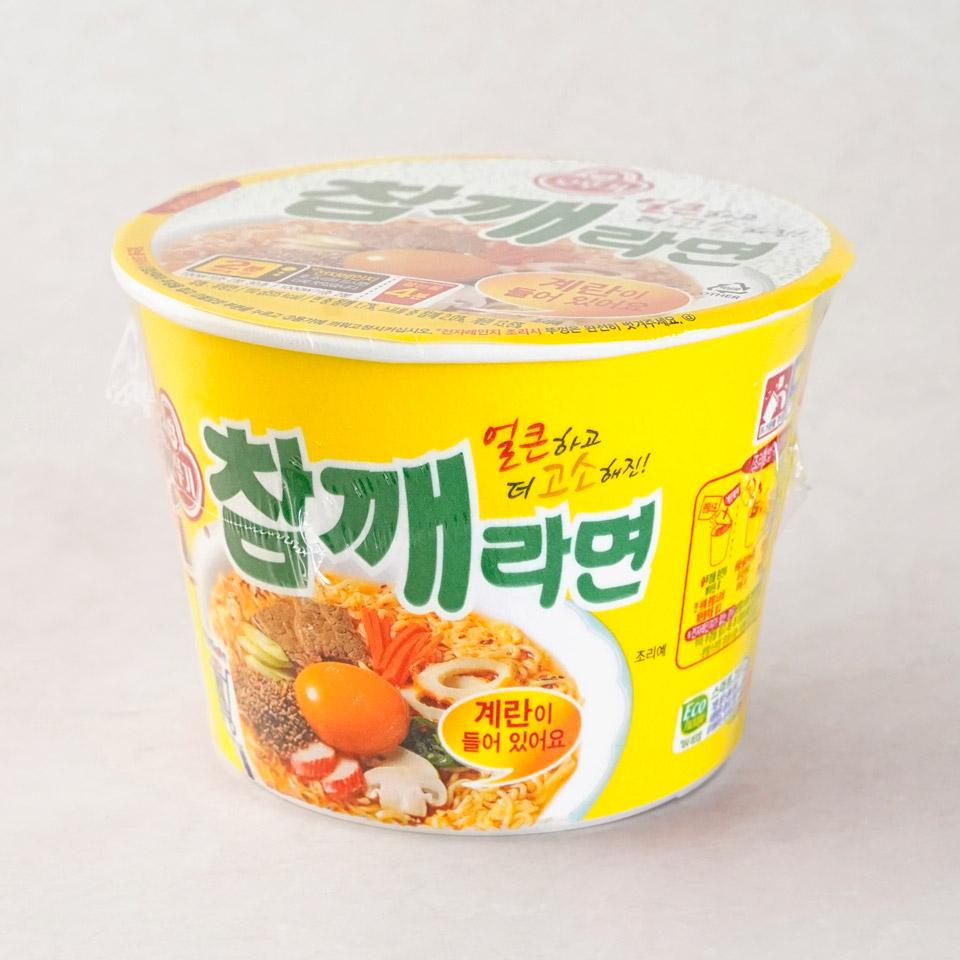
2. Chamkkae Ramyeon (참깨라면) – Perfect for Lovers of Nutty, Savory Flavors
Chamkkae Ramyeon literally means sesame ramyeon, and its defining feature is the roasted sesame topping and egg garnish that floats on top of the soup. As soon as you pour in hot water, a rich, nutty aroma fills the air. This ramyeon is less about spice and more about comfort and depth, making it ideal for travelers who enjoy warm, savory flavors. If you like sesame oil, toasted nuts, or creamy broths, this cup ramyeon is an easy recommendation.
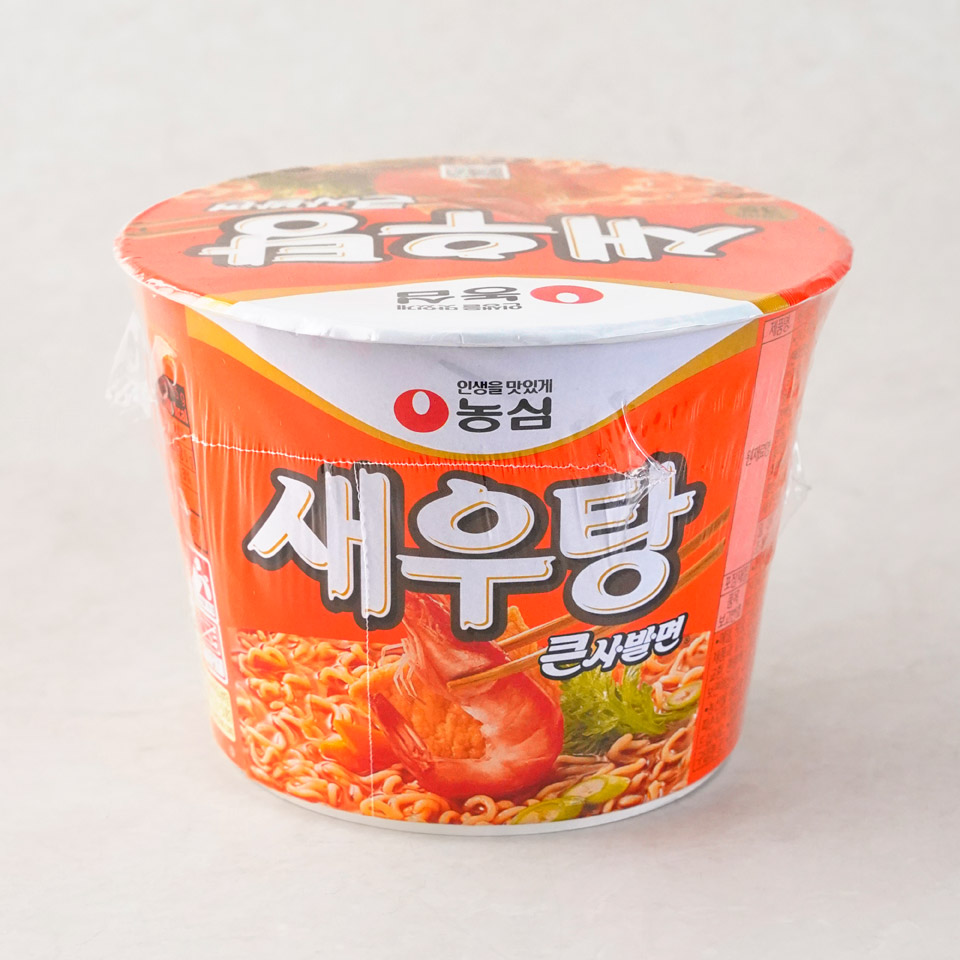
3. Saewoo Tang (새우탕) – A Seafood-Forward Korean Favorite
Saewoo Tang stands out for its distinct shrimp-based aroma, inspired by dried seafood commonly used in Korean cooking. The flavor is gentle but unmistakably seafood-focused, making it a great choice if you enjoy anchovy broth, shrimp snacks, or dried fish. Many Koreans associate this cup ramyeon with childhood memories, which gives it a nostalgic charm. For foreign travelers, it offers a different side of Korean ramyeon beyond beef or chili flavors.
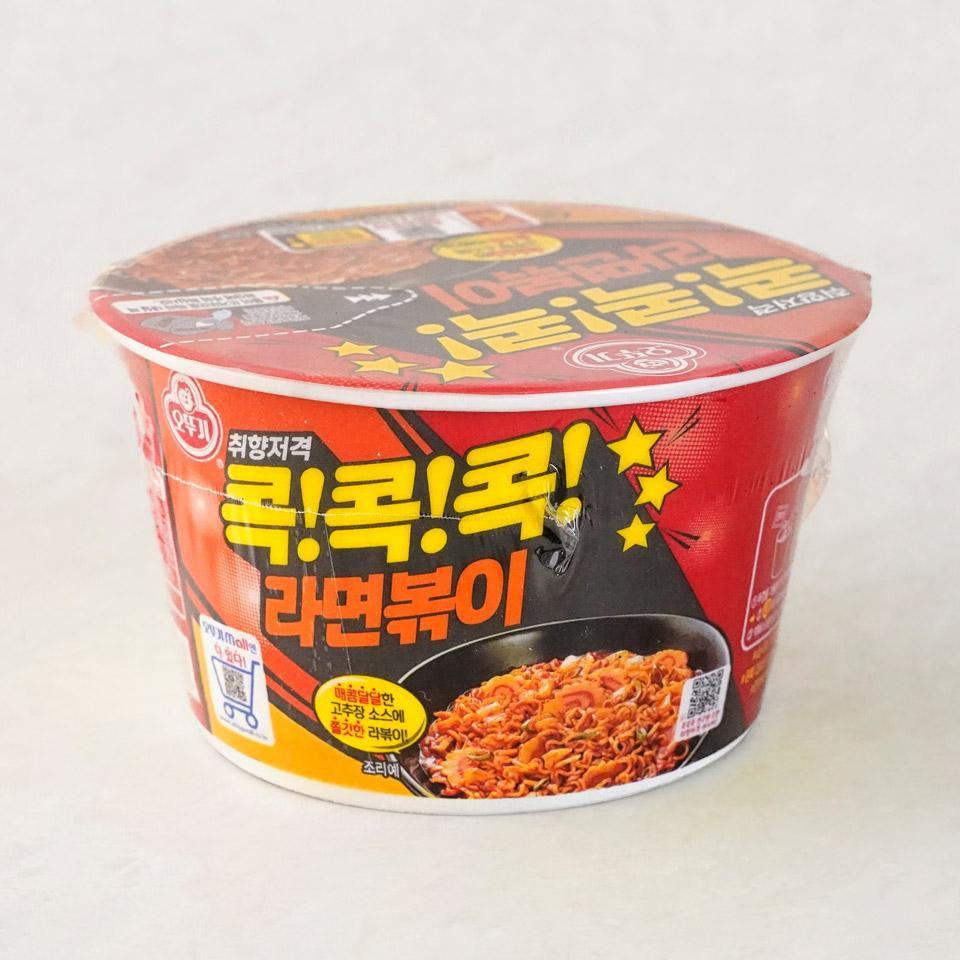
4. Ramyeon Bokki (라면볶이) – Stir-Fried Style and Light to Eat
Unlike most cup ramyeon, Ramyeon Bokki is a stir-fried style dish. After cooking the noodles, you drain most of the water and mix in the sauce, resulting in a bold but lighter meal with no soup. It delivers strong ramyeon flavor while feeling less heavy, which makes it popular for quick snacks or meals between sightseeing stops. If you want something flavorful but not filling, this is a very practical choice.
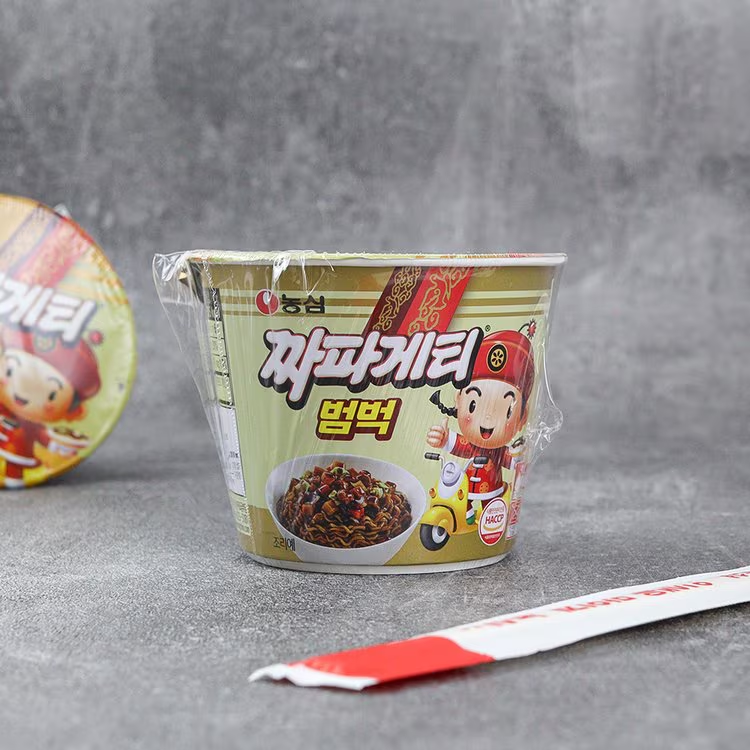
5. Jjapagetti Beombuk (짜파게티 범벅) – Korean Black Bean Ramyeon Made Simple
Jjapagetti is Korea’s famous black bean ramyeon, inspired by jajangmyeon but adapted into an instant format. The Beombuk version is designed for convenience, focusing on the sweet-savory black bean sauce without complicated steps.
It is rich, comforting, and completely non-spicy, making it a great option if you want a break from chili-based ramyeon. For many foreign visitors, this becomes their first introduction to Korea’s black bean noodle culture.
Why Cup Ramyeon Is Worth Trying in Korea
Cup ramyeon is more than just a quick meal—it is a window into everyday Korean life. These are flavors that locals grow up with, often eaten at convenience stores, offices, or late at night.
While Shin Ramyun and Buldak Bokkeum Myun introduced the world to K-ramyeon, these cup ramyeon show how Koreans actually enjoy it day to day. If you want to experience Korea a little more deeply, starting with a cup of ramyeon is a surprisingly good place to begin.
For many foreign travelers, taking the KTX from Seoul to Busan was fast—but not necessarily convenient. While the train ride itself was smooth, arriving at Busan Station often meant another 50 minutes to an hour of subway or taxi travel to reach Haeundae or Gwangalli, where most visitors actually stay. After a long journey with luggage, that final transfer was often the most exhausting part of the trip and a common reason why Busan felt slightly less accessible than it should have been.
What’s Changed: KTX-Eum Now Stops Near Haeundae and Gwangalli That extra step is now being removed. KTX-Eum trains on the Jungang Line (Cheongnyangni–Bujeon) will begin stopping at Shin-Haeundae Station, Centum Station, and Gijang Station. Shin-Haeundae Station will have up to four trains in each direction per day, while Centum and Gijang Stations will each have one stop per direction. Instead of passing through downtown Busan first, travelers can now arrive much closer to Busan’s most popular beachside neighborhoods.
Why This Matters for Foreign Travelers Haeundae and Gwangalli are two of the most foreigner-friendly areas in Busan, known for beaches, cafés, nightlife, luxury hotels, and easy access to attractions like BEXCO and Marine City. Direct KTX access to nearby stations means fewer transfers, less confusion, and a smoother first impression of the city. For first-time visitors to Korea, this makes Busan feel far less intimidating and much easier to include in a short itinerary.
The improvements go beyond station locations. With upgrades to the signal system on parts of the route, the fastest travel time between Cheongnyangni and Bujeon has been reduced to about 3 hours and 38 minutes—roughly 18 minutes shorter than before. Daily KTX-Eum services on this line have also increased from 6 to 18, giving travelers more flexibility when planning weekend trips or last-minute getaways from Seoul.
A New Way to Plan Your Busan Trip Until now, most itineraries were built around arriving at Busan Station and moving outward. With KTX-Eum stopping closer to Haeundae and Gwangalli, that logic flips. Travelers can now plan accommodation, cafés, and beach time around where the train drops them off, not the other way around. For visitors focused on coastal scenery, food, and a relaxed city vibe, this change quietly but fundamentally improves the Busan experience.
If you enjoy traveling deeper into Korea without unnecessary friction, this is exactly the kind of change that matters. With easier access to its most iconic neighborhoods, Busan is now more inviting than ever for foreign travelers looking to experience Korea beyond Seoul, one smooth train ride at a time.
Choosing where to live is one of the biggest decisions you’ll make as an exchange student in Korea. Your housing will shape not only your daily routine, but also how deeply you experience campus life and Korean culture.
From budget-friendly options to more private living, Korea offers several distinct housing styles—each with clear pros and trade-offs. Below are four common housing options for exchange students, explained from a foreigner’s perspective.
1. University Dormitory (기숙사)
University dormitories are often the first choice for exchange students, and for good reason. They are usually the cheapest option and located right next to campus, saving both time and transportation costs. Living in a dorm also makes it easy to meet other international and Korean students, especially during your first semester.
However, getting a spot is not guaranteed. Many Korean universities have limited dorm capacity, and competition can be high—even for exchange students.
Another important point is that Korean dorms often have rules that may feel restrictive to some foreigners. Curfews, guest limitations, and shared rooms are common, which can be inconvenient if you value flexibility or privacy.
2. One-Room Apartment (원룸)
A one-room apartment is the most expensive option, but it offers the highest level of independence and privacy. You get your own space, your own bathroom, and full control over your daily schedule. For students who value quiet time, remote study, or personal routines, this option can feel the most comfortable.
That said, costs can add up quickly. In addition to rent, you may need to pay a security deposit, utilities, and sometimes maintenance fees. Finding a one-room also requires more effort, often involving real estate agents and Korean-language contracts. Still, for those who can afford it, this option provides the closest experience to living like a local.
3. Goshiwon (고시원)
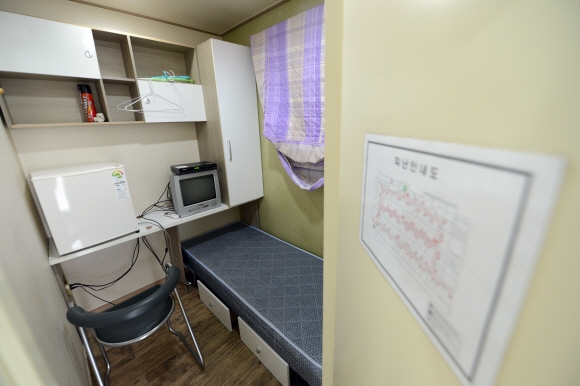
Goshiwons are small, private rooms originally designed for exam takers, but they have become popular among students and short-term residents. They are usually one of the cheapest housing options and work well if your stay is short or your plans are not fixed. Most goshiwons are fully furnished, and some include free rice, noodles, or even basic meals.
Goshiwon can be a budget-friendly option, but rooms can be very small and noises can be difficult.
The downside is space and comfort. Rooms are very small, and noise can be an issue due to thin walls. Bathrooms may be shared, depending on the building. While goshiwons are practical and budget-friendly, they can feel cramped over time—especially for students staying a full semester or longer.
4. Hasukjip (하숙집)
Hasukjip is a traditional Korean boarding house, often run by a local family. This option is ideal if you want to experience Korean daily life more closely. Many hasukjips include home-cooked meals (usually for breakfast and dinner), which can be a big advantage if you’re not used to cooking in Korea and ready to try various home-cooked Korean dishes.
On the other hand, privacy can be limited. Bathrooms are sometimes shared, and house rules may apply. Since you’re living in someone’s home, the experience depends heavily on the host family’s style. For students who value cultural immersion over independence, a hasukjip can be a meaningful and memorable choice.
Koodeep Tip
There’s no single “best” option—only what fits your budget, personality, and priorities. Dorms are great if you get in, one-rooms offer freedom, goshiwons save money, and hasukjips provide cultural depth. Before choosing, think about how you study, socialize, and recharge. Your housing choice will quietly shape your entire exchange experience in Korea.
If you want to experience a real Seoul winter moment, there’s no place quite like the Seoul Plaza Ice Skating Rink, right in front of Seoul City Hall. Every winter, the busy civic square transforms into an outdoor ice rink surrounded by historic buildings, office towers, and glowing city lights—creating a uniquely urban winter atmosphere that locals and visitors love.
1. When Is the Seoul Plaza Ice Rink Open?
This winter, the Seoul Plaza Ice Skating Rink will operate from December 19, 2025 to February 8, 2026. From Sunday to Friday, sessions run between 10:00 a.m. and 9:30 p.m., while Saturdays and public holidays extend until 11:00 p.m. Each skating session lasts 1 hour, followed by a 30-minute ice maintenance break.
2. How Much Does It Cost?
One of the biggest surprises for foreigners is the price. A one-hour session costs only KRW 1,000 (less than USD 1), and that price already includes skate rental and a helmet. The fee has remained unchanged since the rink first opened in 2004, making it one of the best winter bargains in Seoul.
3. How to Make a Reservation (Strongly Recommended)
Reservations open on December 16, and each session accepts 600 skaters—300 online and 300 on-site, first come first served. Online reservations open 7 days before your chosen date and are highly recommended, especially on weekends and during the year-end holiday season. Popular time slots often sell out quickly.
You can book through:
Official website: seoulskate.kr
Ticketlink: ticketlink.co.kr
If you plan to buy tickets on-site, arriving at least one hour earlier than your preferred session is a smart move.
4. Location & How to Get There
The rink is extremely easy to reach. It’s located at Seoul Plaza, just a 1-minute walk from City Hall Station (Subway Lines 1 and 2), Exits 5 or 6. Its central location makes it perfect to combine with sightseeing (Cheonggyecheon, Gyeongbokgung Palace, etc.), shopping, or dinner nearby.
5. What to Wear and Bring
Gloves are mandatory, so make sure to bring your own. A warm hat that covers your ears, thick socks, and winter clothing are strongly recommended since this is an outdoor rink. Even if you’re skating actively, Seoul winters can get cold—especially after sunset.
6. Facilities and Beginner-Friendly Features
The rink is well-equipped with lockers, a café, rest areas, and snack stands. There’s also a medical station for minor injuries. Beginners are welcome, and skating lessons are available, including small-group lessons (up to 3 people) and group classes held on weekdays. Personal skates are allowed (except speed skates), but hockey helmets are not permitted.
7. A Winter Spot Loved by Foreign Visitors
Seoul Plaza Ice Rink has become a true winter landmark. Last season alone, nearly 170,000 people visited, with foreign visitors making up a rapidly growing share. The mix of locals skating after work, students on winter break, and tourists trying ice skating in Korea creates a lively, international vibe that feels very “Seoul.”
Koodeep Tip
If you’re visiting Seoul in winter and want an experience that’s local, affordable, and memorable, this rink is hard to beat. Skate for an hour, warm up with a hot drink nearby, and enjoy the city lights—it’s one of the simplest ways to feel winter in Seoul.
Winter in Seoul doesn’t have to be just about cold weather. Sometimes, it’s about skating right through the middle of it.
Working part-time at a café or restaurant is one of the most common—and realistic—ways for foreigners to earn income in Korea. That said, the hiring process, expectations, and legal boundaries can feel very different from what you may be used to. Below are practical tips to help you find (and keep) a part-time job in Korea’s food and café scene.
Finding a part-time job in Korea as a foreigner can be difficult; however, it can also be extremely rewarding.
1. Check Your Visa First (This Matters More Than Anything)
Before applying anywhere, make sure your visa allows part-time work.
D-2 (student) and D-4 (language student) visa holders usually need prior permission from their school and immigration before working.
F-series visas (F-2, F-5, F-6) generally allow free employment. Many cafés and restaurants will ask about your visa before your experience, so having a clear answer builds trust immediately.
2. Know Where Jobs Are Actually Posted
Unlike some countries, many part-time jobs in Korea are not posted on LinkedIn or global job boards. The most useful platforms are:
Albamon / Alba천국 (Korea’s main part-time job sites)
Facebook groups like “Foreigners in Korea Jobs”
Local neighborhood cafés and restaurants with handwritten “Hiring” signs Walking into cafés during off-peak hours (weekday afternoons) and politely asking often works better than online applications.
3. Basic Korean Goes a Long Way
You don’t need perfect Korean, but survival-level Korean is often expected, especially in customer-facing roles. Being able to take orders, understand simple instructions, and respond politely is usually more important than fluency. Even memorizing key service phrases can significantly improve your chances of being hired—and staying employed.
4. Understand Common Work Conditions
Most restaurant and café part-time jobs involve:
Standing for long hours
Fast-paced service during peak times
Flexible but irregular schedules Hourly wages typically start at or slightly above Korea’s minimum wage, with late-night shifts sometimes paying more. Tips are not common in Korea, so wages matter more than gratuities.
5. Contracts, Paydays, and What to Ask Upfront
Even for part-time work, it’s reasonable to ask:
How often you’re paid (weekly, biweekly, monthly)
Whether breaks are provided
How shifts are scheduled and changed Some small cafés may not provide a formal written contract, but clear verbal confirmation of pay and hours is essential. Keeping messages or written details helps avoid misunderstandings later.
6. Be Careful with “Under-the-Table” Work
Some places may suggest cash payment without formal reporting. While this can seem convenient, it carries legal risks, especially for student visa holders. Immigration issues can arise later, even if the job itself felt casual. When in doubt, choose places that are familiar with hiring foreigners and understand visa rules.
7. Reliability Matters More Than Experience
In Korea, employers value punctuality, consistency, and attitude more than prior café experience. Showing up on time, following instructions carefully, and communicating clearly when issues arise often leads to longer employment—and sometimes better shifts.
Koodeep Tip
If you’re new to Korea, start with cafés or small restaurants in foreigner-friendly areas (e.g. Hongdae, Itaewon, or Seongsu) rather than busy local-only spots. Once you understand the work culture and language flow, more options naturally open up.
Working part-time in Korea isn’t just about earning money—it’s also one of the fastest ways to understand daily Korean life. With the right preparation, it can be both practical and rewarding.