Koodeep

  • Why Dispatch Dominates Korean Entertainment News: A Guide for Global K-Culture Fans

    Korea’s entertainment world has been buzzing lately, and much of that noise is coming from one source: Dispatch News Group, the country’s most influential celebrity news outlet.

    In recent weeks, Dispatch has published high-profile exclusives, including reports on actor Cho Jin-woong’s past criminal record and allegations involving comedian Park Na-rae’s treatment of her managers and unauthorized cosmetic procedures. These back-to-back scoops have once again pushed Dispatch to the center of public conversation. For anyone who follows K-pop, K-dramas, or Korean celebrity culture, knowing Dispatch is almost unavoidable.
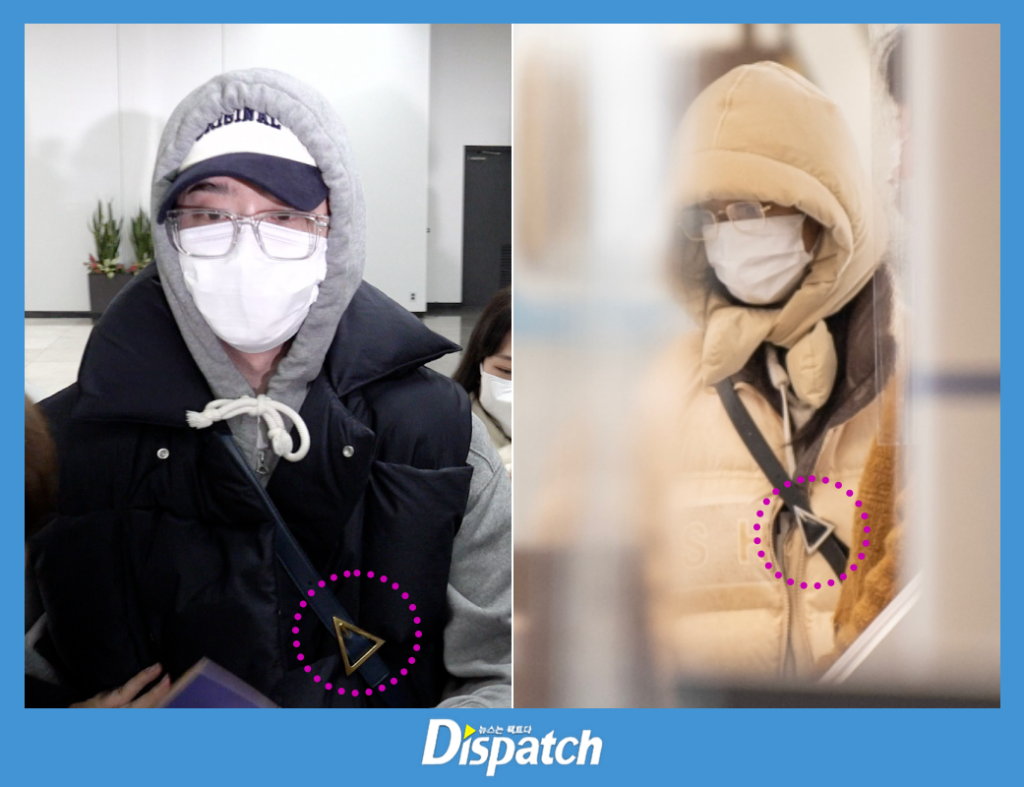
    Dispatch is widely known for its investigative style—part paparazzi, part tabloid, and part detective agency. Founded in 2011, the outlet built its reputation through deep-dive reporting, long-form photo surveillance, and exclusives that often break before official statements are released. Its stories spread quickly across Korean portals, global social media, and international fan communities, making Dispatch a major force in shaping the narrative of Korean pop culture. Whether fans approve of its methods or not, its influence is undeniable: a single Dispatch article can shift public perception within hours.

    One of Dispatch’s most famous traditions is its annual January 1st dating scoop. Every New Year’s Day, the outlet releases an exclusive report revealing the romantic relationships of top celebrities—idol members, actors, or star couples who have kept their private lives hidden throughout the year.

    What began with the 2013 scoop on Rain (Bi) and Kim Tae‑hee set the tone for many years of high-stakes gossip. Over the years, couples revealed on New Year’s Day include Lee Seung-gi & YoonA (2014), Lee Jung-jae & Lim Se‑ryung (2015), Kim Junsu of TVXQ & Hani of EXID (2016), and more recently, Kai & Jennie (2019), Hyun Bin & Sohn Ye‑jin (2021), and IU & Lee Jong-suk (2023) — many of which sparked massive media buzz and social media firestorms.

    This “January 1st dating exclusive” has become almost a cultural ritual: fans stay up past midnight not just for the countdown, but to see who Dispatch will reveal next. As the new year approaches, speculation grows across online forums and social platforms. Will it be a power couple from the K-pop world? Two drama co-stars rumored to be close? Each year brings a new round of excitement and debate.

    Love it or hate it, Dispatch plays a defining role in how global audiences consume Korean entertainment news. Its scoops generate massive traffic, shape fandom discussions, and feed the never-ending curiosity surrounding Korean celebrities. For readers diving deep into K-culture, understanding Dispatch isn’t just helpful—it’s part of understanding the ecosystem itself.
  • Guide to Urban Hiking Centers in Seoul: How to Get There, What to Rent, and the Best Courses to Try Hiking in Seoul

    Seoul isn’t just a city of palaces and skyscrapers—it’s also one of the few capitals in the world where you can hop on the subway and find yourself at a mountain trailhead within minutes.

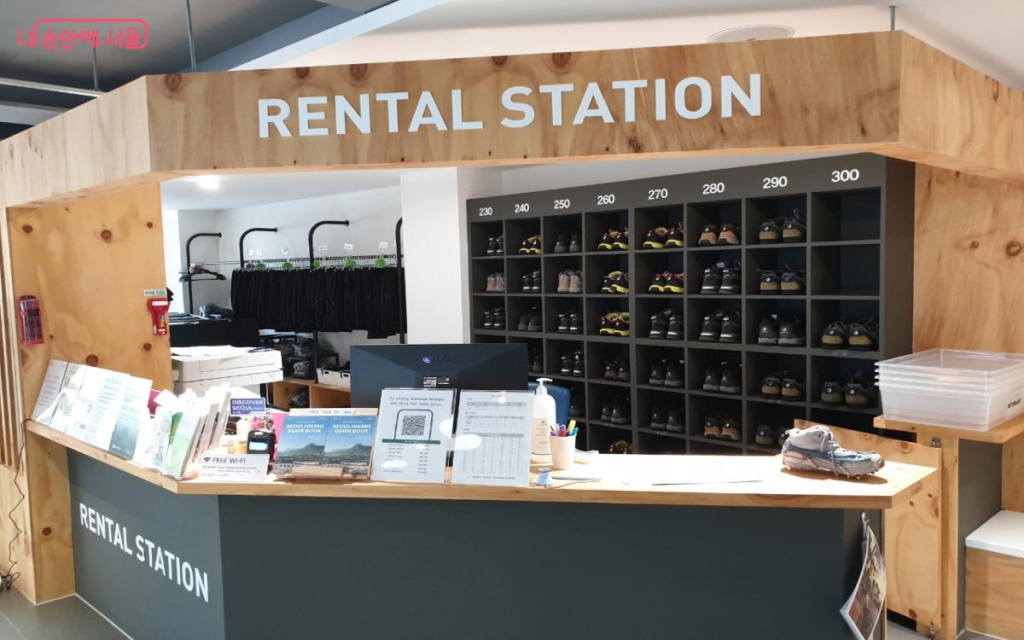
    To make this even easier for travelers, the city operates three dedicated “urban hiking centers.” These facilities provide affordable gear rental, multilingual information, and clear hiking routes that help visitors enjoy Seoul’s mountains safely and comfortably.

    Below is a beginner’s guide for the three major urban hiking centers in Seoul, how to reach them, and which courses to try.


    1. Seoul Hiking Tourism Center (Bukhansan)

    How to get there:
    Take the Ui-Sinseol Line to Bukhansan Ui Station. From Exit 2, it’s about a 5-minute walk to the center.

    What you can rent:
    Hiking boots, trekking poles, backpacks, gloves, crampons, and small accessories. Lockers and lounge spaces are available for pre- or post-hike breaks.

    Recommended courses:

    • Beginner course: Ui trailhead → Doseonsa → Samcheonsa. A calm 2–3 hour route through forest paths and historic temples.
    • Advanced course: Ui trailhead → Daedongmun → Baegundae Peak. The classic Bukhansan summit trail with granite ridges and panoramic city views. Expect 3–4 hours and some steep sections.

    2. Seoul Hiking Tourism Center (Bugaksan)

    How to get there:
    Take Line 3 to Anguk Station and walk about 15 minutes to the center in Samcheong-dong. You can also take bus No. 11 (Jongno-gu district bus) from Gwanghwamun area if preferred.

    What you can rent:
    Standard hiking gear plus maps and multilingual hiking support. This center operates inside a renovated hanok, and some cultural programs (like calligraphy or craft workshops) may also be available.

    Recommended courses:

    • City Wall history walk: Bugak Pagoda → Sukjeongmun → Changuimun. Smooth pacing, rich scenery, and 2–3 hours along sections of the Seoul City Wall.
    • Sunset ridge course: Bugak Skyway → Bugaksan summit. A 1–2 hour climb famous for its sweeping dusk and night views over central Seoul.

    3. Seoul Hiking Tourism Center (Gwanaksan)

    How to get there:
    Take the Sillim Line to Gwanaksan Station. The center is located directly inside the station at the basement level.

    What you can rent:
    Boots, poles, backpacks, crampons, and small accessories. The center also offers luggage storage and multilingual hiking guides tailored for visitors unfamiliar with Korean terrain.

    Recommended courses:

    • Easy forest trail: Gwanaksan Park → Samgeori Yaksooter. About 1.5 hours of gentle walking through wooded areas.
    • Moderate summit hike: Gonghak-gwan route → Yeonju-dae Peak. A 3–3.5 hour course with rewarding ridge views and varied forest scenery.

    Rental Fees and Traveler Tips

    Rental prices remain budget-friendly: boots around 2,000 KRW, trekking poles or crampons around 1,000–2,000 KRW, and full outfits around 3,000 KRW – in total, less than 10,000 KRW per person.

    This makes the centers ideal for travelers who didn’t pack hiking gear but want to experience Seoul’s outdoor culture. All centers provide lockers, rest areas, and helpful staff who can explain routes in English, Chinese, or Japanese.


    Why These Centers Are Perfect for Travelers

    These facilities bridge the gap between urban travel and nature exploration. You can leave your hotel, take a single subway line, rent full gear within minutes, and begin a mountain hike immediately—often with sweeping views of the city below. The mix of accessibility, safety, cultural insights, and well-maintained routes makes Seoul’s urban hiking system one of the city’s most underrated attractions.

  • Snow in Korea: 5 Fun Tips for Enjoying Seoul’s First Big Snowfall

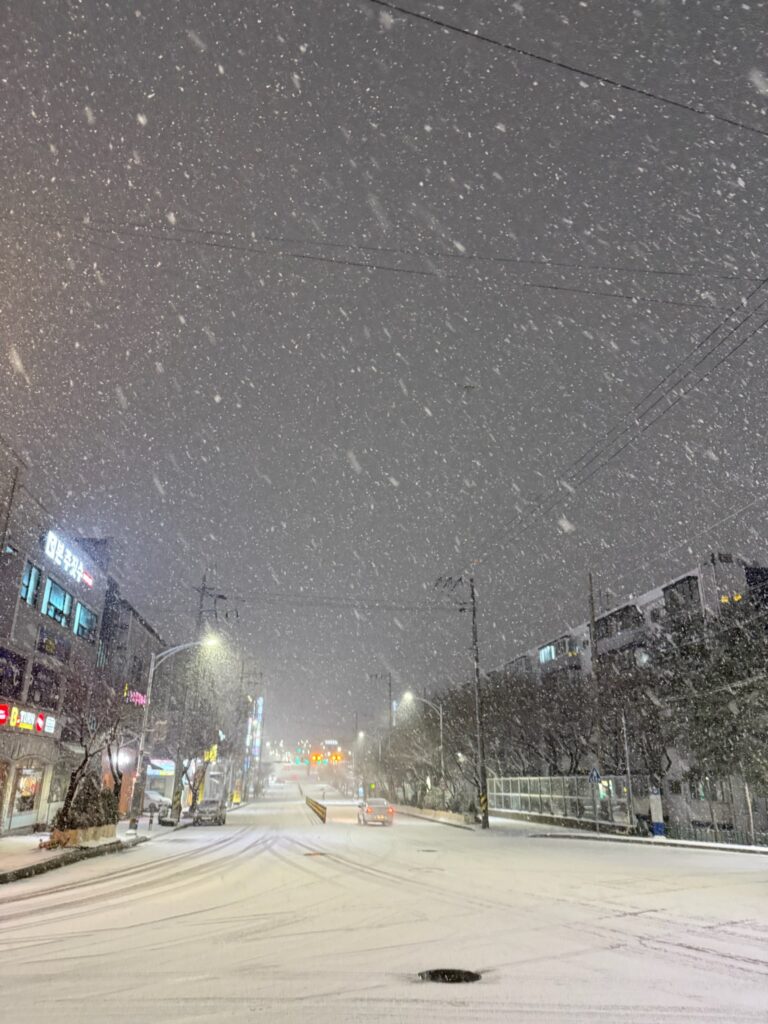
    Seoul kicked off winter on 4 December 2025 with a surprisingly heavy first snowfall, turning streets, parks, and even apartment courtyards into a bright winter scene. For many travelers, snow in Korea feels both familiar and delightfully different—especially when you notice how quickly the city snaps into action. Snowplows roll out almost instantly, sidewalks are cleared within hours, and some steep hills even have underground heating systems to keep ice from forming. If you’re visiting Korea during a snowy week, here are a few playful and practical tips to help you enjoy it like a local.


    1. Watch the city transform in real time

    Korean cities handle snow with impressive speed. Within minutes of heavy snowfall, roads fill with municipal snowplows, salt trucks, and workers clearing walkways. Even after a big snow, public transportation usually runs smoothly—so don’t cancel your plans. Instead, enjoy the contrast between snowy rooftops and bustling winter streets.


    2. Visit a neighborhood apartment complex for a “local winter moment”

    If you walk through a residential apartment complex after the snow settles, you’ll often see children rolling snowballs together to make small snowmen. These scenes feel incredibly local and warm, offering a glimpse into everyday Korean life far from the tourist zones. It’s the kind of simple joy that travelers tend to remember long after the trip.


    3. Taste winter street snacks: Hotteok (호떡) & Eomuk (어묵)

    Snowy weather is the perfect excuse to stop by a street stall and warm your hands (and soul).

    • Hotteok (호떡): A sweet, syrup-filled pancake that tastes even better when the steam hits the cold air.
    • Eomuk (어묵): Korean fish cakes served on skewers in a comforting hot broth.

    These two snacks practically define Korean winter and make wandering snowy streets feel extra cozy.


    4. Dress for layers—and choose the right shoes

    Weather can swing quickly during winter, so layering is essential. Heat packs are widely available at convenience stores or Daiso stores and help a lot when walking long distances. More importantly, wear shoes with grip: certain alleys and hilly areas (like near Bukchon or Namsan) can still get slippery before the heating systems kick in.


    5. Capture the Seoul snow aesthetic

    Few things beat the contrast of neon signs, modern skyscrapers, and a fresh layer of snow. Early mornings are especially photogenic, and riverfront areas like the Han River parks take on a calm, peaceful tone. Snow in Korea creates a mood that feels cinematic—so take your time, wander, and enjoy the quiet beauty.


    Snow in Korea offers a charming mix of efficiency, energy, and pure winter fun. Whether you’re tasting warm snacks, watching kids build snowmen, or simply admiring the city wrapped in white, snowy Korea becomes a whole new travel experience worth savoring.

  • Beyond Gwangjang Market: Three Local Seoul Markets Foreign Travelers Will Love

    Gwangjang Market is definitely famous for its street food—bindaetteok, kalguksu, mayak gimbap, you name it.

    But with its skyrocketing popularity among tourists, some travelers now look for places that feel more local, less crowded, and a bit more authentic. If you’re hoping to explore markets where Seoul residents actually shop, snack, and socialize, here are three fantastic alternatives worth adding to your itinerary.


    1. Mangwon Market — A Local Favorite Near Hongdae

    Location: Near Mangwon Station (Line 6)
    For those staying in Hongdae, Sinchon, or Hapjeong, Mangwon Market is one of the easiest and most enjoyable traditional markets to visit. This neighborhood gem blends classic Korean market culture with a younger, trendier vibe.

    What you can enjoy here:

    • Tteokbokki, gimbap, and hotteok from long-running stalls
    • Winter favorites like bungeoppang (fish-shaped pastries)
    • Affordable snacks perfect for casual browsing
    • A warm, lived-in atmosphere that feels truly local

    Mangwon is a great spot for travelers who want to taste everyday Korean street food without the overwhelming crowds.


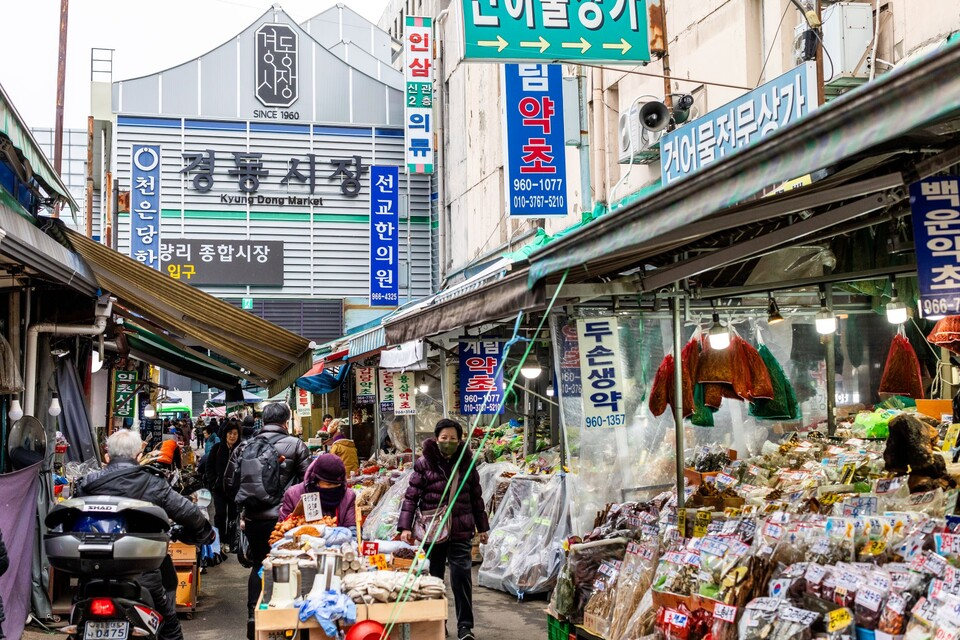
    2. Gyeongdong Market — Herbs, Produce, and Old-school Charm

    Location: Near Cheongnyangni Station (Line 1 / KTX)
    If you’re staying around Dongdaemun, Hoegi, Wangsimni, or northeastern Seoul, Gyeongdong Market is an easy and fascinating stop. Known as one of Korea’s largest herbal medicine markets, this district offers a raw, old-Seoul energy you won’t find elsewhere.

    Here’s what makes it special:

    • Endless rows of hanbang (Korean herbal medicine) shops
    • Vendors selling fresh fruits and vegetables at wholesale prices
    • Tiny mom-and-pop eateries with decades of history
    • A bustling, non-touristy atmosphere full of character

    For travelers curious about Korean ingredients and wellness traditions, Gyeongdong Market is an unbeatable experience.


    3. Namdaemun Market — A Mix of Street Food and Global Finds

    Location: Near Hoehyeon Station (Line 4)
    Close to Myeongdong, Seoul Station, and Chungmuro, Namdaemun Market is one of the most dynamic shopping areas in the city. While it’s well-known, it still retains a lively local charm and offers an incredibly wide range of products.

    Why travelers love Namdaemun:

    • Famous street snacks like hotteok and dumplings
    • Shops selling imported goods, kitchenware, clothing, and souvenirs
    • A well-known reputation for cheap alcohol and spirits, popular among expats
    • Energetic alleys perfect for wandering and discovering hidden stalls

    If you want a market that blends old traditions with global flavors, Namdaemun is the place to go.


    Final Thoughts: Discover a More Local Side of Seoul

    Seoul’s traditional markets each offer a different window into everyday Korean life. Whether you’re craving tteokbokki in Mangwon, hunting for herbal teas in Gyeongdong, or grabbing souvenirs in Namdaemun, these spots deliver flavors and experiences that go far beyond the usual tourist trail.

    If Gwangjang market feels too crowded for your taste, step into one of these three markets and enjoy a deeper, more local slice of Seoul.

  • Top International Schools in Seoul for Foreign Residents: A Quick Guide

    Finding the right school is one of the biggest decisions for families relocating to Korea. Thankfully, Seoul offers a strong selection of international schools that provide world-class education, multilingual environments, and supportive global communities. Below is an overview of some of the most popular options for foreign families in and around Seoul.


    1. Seoul Foreign School (SFS)

    Location: Seodaemun-gu, Seoul
    Founded in 1912, Seoul Foreign School is one of the oldest international schools in Korea, offering the IB Programme and British-style curriculum. Its spacious hillside campus gives students a warm, community-focused environment. Many expat families choose SFS for its strong academics, diverse student body, and long-standing reputation.


    2. Seoul International School (SIS)

    Location: Seongnam (just south of Seoul)
    Although located slightly outside the city, SIS is widely considered part of the “Seoul international school network” with its proximity to Gangnam region. The school offers a U.S. curriculum, including AP courses, and is known for competitive college prep programs. Families seeking a structured American-style education often prioritize SIS.


    3. Yongsan International School of Seoul (YISS)

    Location: Itaewon/Yongsan-gu, Seoul
    YISS sits in one of Seoul’s most international neighborhoods, making it especially convenient for families living near Itaewon. The school provides a U.S. curriculum, strong extracurricular offerings, and a tight-knit community feel. Its central location is a major advantage for expatriates working in downtown Seoul.


    4. Dulwich College Seoul

    Location: Banpo, Seocho-gu, Seoul
    This British international school follows the English National Curriculum and IB Diploma Programme. Known for its modern facilities and strong arts, sports, and STEM programs, Dulwich College Seoul attracts families who prefer a UK-based educational pathway. Its location in Banpo makes it accessible for residents in southern Seoul.


    5. Chadwick International (Songdo)

    Location: Songdo International City, Incheon (40 minutes from Seoul)
    Chadwick offers the full IB continuum (PYP–MYP–DP) and is celebrated for its open learning spaces, global-minded culture, and impressive facilities. While technically outside Seoul, it remains a top choice for families living in the metropolitan area, especially those seeking a quieter, master-planned international community.


    Choosing an International School in Seoul

    Seoul’s international schools each offer something unique—British, American, or IB curricula; central or suburban campuses; arts- or STEM-focused programs; and communities that support students from around the world. Whether your family prefers the urban energy of Yongsan, the greenery of Seodaemun, or the planned environment of Songdo, Seoul provides strong options for every experience level.

    For foreign families planning long-term life in Korea, exploring these schools is an excellent first step in building a comfortable and globally connected home in Seoul.

  • KTX Station in Seoul: Why Cheongnyangni Is the Best Starting Point for Your Gangwon Adventure

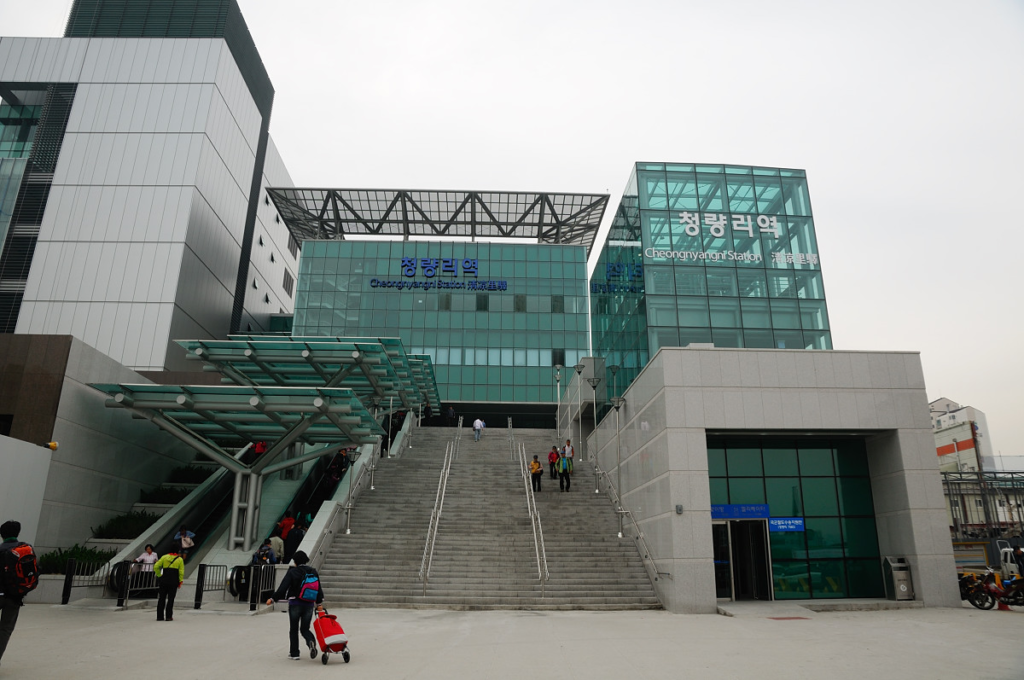
    When planning a winter trip from Seoul, most travelers automatically think of Seoul Station for high-speed trains. But there’s another KTX station in Seoul that’s becoming a favorite among locals—Cheongnyangni Station. Convenient, less crowded, and perfectly connected to eastern Korea, it offers everything you need for a smooth getaway.

    Below is a traveler-friendly breakdown to help you discover why Cheongnyangni might be the ideal starting point for your next journey.


    1. The Best Hub for Gangneung, Pyeongchang & Donghae (KTX to Gangwon)

    If you’re dreaming of snowy mountains, ski resorts, or the serene East Sea coast, Cheongnyangni Station should be on your list.

    • All KTX trains heading to Gangneung, Pyeongchang, and Donghae depart from or stop at Cheongnyangni.
    • Tickets are typically cheaper than departures from Seoul Station, making it a smart choice for budget-minded travelers.
    • During winter, when Gangwon Province becomes a snowy wonderland, starting from Cheongnyangni can save time, money, and effort.

    2. Lotte Department Store Is Connected to the Station

    One of Cheongnyangni’s biggest surprises is its direct indoor connection to Lotte Department Store.

    Travelers can easily:

    • Grab a warm meal before boarding
    • Pick up snacks or last-minute travel essentials
    • Shop for Korean beauty products or souvenirs
    • Stay indoors on cold winter days

    Whether you’re catching an early train or wrapping up your trip and looking for a place to do shopping near KTX station in Seoul, the convenience of this mall-connected station makes travel much more comfortable.


    3. A Traditional Market Experience Right Across the Street

    Just steps from the station sits the energetic Gyeongdong Market and the Cheongnyangni Fruit & Vegetable Wholesale Market, one of the most authentic market districts in Seoul.

    Here, travelers can explore:

    • Traditional Korean street food
    • Local produce and fresh fruits
    • Herbal medicine shops
    • Classic market alleys full of character

    If you want a true cultural experience before heading off on your KTX trip, this is one of the best spots in the city.


    Final Thoughts: An Underrated but Excellent KTX Station in Seoul

    Cheongnyangni isn’t just a transportation hub—it’s a practical and culturally rich gateway to both Seoul and Gangwon Province. If you’re planning to visit Pyeongchang for skiing, Gangneung for beaches, or Donghae for a scenic winter escape, Cheongnyangni KTX Station deserves a spot in your travel plan.

    For travelers wanting convenience, affordability, and a local-flavored experience, this might just be the best starting point for your next adventure.

  • Understanding PTO / Vacation in Korea: Annual Leave, Encashment, and Modern Corporate Trends

    If you’re planning to work in Korea—or already building a career here—understanding how vacation and annual leave work is essential. Korea’s Labor Standards Act (LSA) provides a structured, statutory minimum for annual paid leave. At the same time, many Korean companies, especially large corporations and global employers, now offer far more generous vacation packages to support work-life balance.

    Where Korea’s past and present find balance—just like the work-and-life rhythm we all strive for.

    Here’s a complete, foreigner-friendly guide to how vacation works in Korea, from legal entitlements to modern corporate trends you’ll likely encounter.


    1. Statutory Annual Paid Leave Under Korean Law

    The LSA sets out clear minimum requirements for annual paid leave, and the amount varies depending on your length of service.

    ◎ First Year of Employment

    • Employees earn 1 day of paid leave per month of perfect attendance.
    • Maximum for Year 1: 11 days.

    ◎ After Completing One Full Year

    • If you have an 80% or higher attendance rate, you become entitled to 15 days of annual leave all at once (not earned monthly).

    This “15-day grant” is a key feature of Korean labor law and applies to most office workers after their first full year.

    ◎ Additional Leave for Long-Term Employees

    From your third year onward, you receive 1 extra day of annual leave every two years, up to a maximum of 25 days.

    Here’s the typical leave schedule:

    Years of ServiceAnnual Leave
    1st year11 days
    2nd–3rd year15 days
    4th–5th year16 days
    6th–7th year17 days
    8th–9th year18 days
    10th–11th year19 days
    12th–13th year20 days
    14th–15th year21 days
    16th–17th year22 days
    18th–19th year23 days
    20th–21st year24 days
    22nd+25 days

    Employees may choose when to take their leave unless the selected dates cause serious operational difficulties for the employer.


    2. Annual Leave Encashment in Korea

    Another important part of Korean vacation law is encashment—payment for unused annual leave.

    • At the end of the holiday year, employees are entitled to cash compensation for unused leave days.
    • The payout is calculated based on the employee’s hourly wage.

    However, there is a notable exception:
    If the employer has taken formal measures to encourage employees to use their annual leave (a specific process under the LSA), the company may be exempt from paying encashment for unused days.

    This is why many Korean companies remind employees repeatedly around year-end to “use your remaining days.”


    3. How Korean Companies Actually Handle Vacation Today

    While the statutory minimum is helpful to understand, Korean workplace culture has been evolving rapidly—especially in large corporations, tech companies, and multinational firms.

    ◎ More Vacation Than the Legal Minimum

    Many major Korean companies now offer more generous leave than the legal floor. It’s becoming increasingly common for employers to grant:

    • Additional summer vacation days (normally 3–5 days) separate from basic annual leave
    • Winter or year-end holidays, often provided around Christmas or New Year’s Eve
    • Extra “company holidays” bridging long weekends or major events

    These practices make it easier for employees to enjoy longer trips within Korea or overseas.

    ◎ Summer Vacation: A Distinct Tradition

    Korean office culture strongly embraces summer vacation, typically taken between July and August.
    Even if you have annual leave available, the company often grants extra dedicated summer days on top, making it easier to plan a proper break during peak travel season.

    ◎ Long-Service Leave & Refresh Leave

    To encourage loyalty and prevent burnout, more companies are introducing:

    • Long-service leave (장기근속휴가): special vacation every 3, 5, or 10 years of employment
    • Refresh leave (리스레쉬 휴가): extended paid time off to reset and recharge
    • Sabbatical-style programs for senior employees or those hitting key career milestones

    These policies reflect Korea’s growing focus on employee well-being and work-life balance.


    4. What Foreign Employees Should Know About Vacation Culture in Korea

    Here are a few practical insights that help you navigate vacation planning in a Korean workplace:

    ◎ Book Early—Especially in Summer

    During July and August, nearly everyone wants time off. Flights and hotels sell out quickly, so Korean employees typically plan summer vacation months in advance.

    ◎ Company-Wide Shutdowns Are Common

    Some corporations shut down for a few days in summer or around the Lunar New Year and Chuseok holidays. These periods often don’t count against your personal leave.

    ◎ Some Teams Coordinate Vacation Together

    In many teams—especially in manufacturing, engineering, and consulting—managers approve vacation strategically to maintain workflow. It’s normal to discuss preferred dates with your team first.

    ◎ “Use-it-or-lose-it” Culture Exists

    Even with encashment rules, Korean companies strongly encourage employees to use their paid leave. The cultural shift toward taking breaks is growing each year.


    Final Thoughts

    Vacation in Korea is shaped by both clear legal protections and a rapidly evolving corporate culture that increasingly values time off. From statutory annual leave and encashment rights to generous summer holidays, long-service perks, and refresh programs, many companies are offering more flexibility and rest than ever before.

    If you’re working in Korea or planning to, understanding how vacation works will help you make the most of your time—both in the office and while exploring everything Korea has to offer.

  • Seoul Lantern Festival 2025: A Winter Night Filled With Light, Art, and Magic

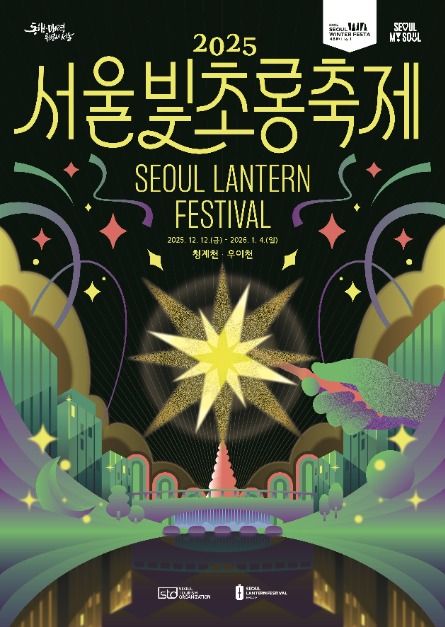
    If you’re spending winter in Seoul, there’s one event you absolutely shouldn’t miss: the Seoul Lantern Festival (서울빛초롱축제). Every year, this festival transforms the city’s cold winter nights into a glowing riverside gallery, and in 2025, it returns bigger and brighter than ever—running simultaneously with the beloved Gwanghwamun Winter Market.

    Perfect for travelers, expats, and anyone looking to experience a warm touch of Korean culture during the cold season, this festival brings together traditional lanterns, immersive media art, and some of the most atmospheric night scenery in Seoul.


    Festival Dates & Time

    • Seoul Lantern Festival: Dec 12, 2025 – Jan 4, 2026 (24 days)
      • Daily: 18:00–22:00
    • Gwanghwamun Market: Dec 12 – Dec 31, 2025 (20 days)
      • Daily: 17:30–21:30

    Both events are open to everyone and completely free to enjoy—a perfect evening plan for December and New Year visitors.


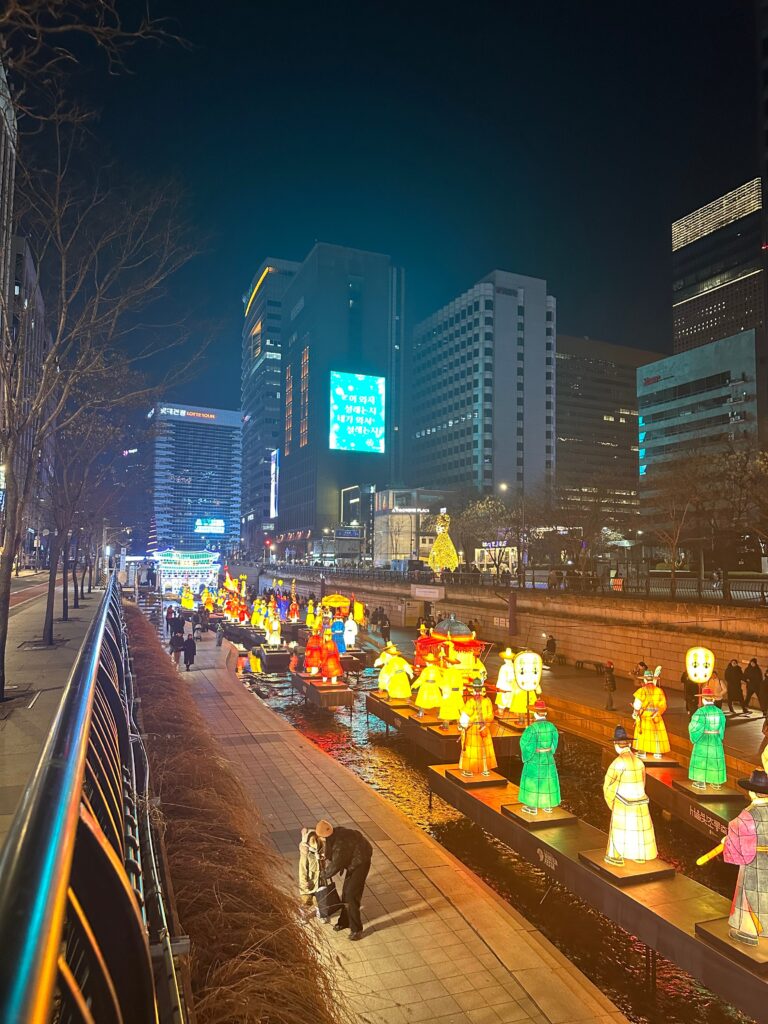
    A 1.1 km Light Journey Along Cheonggyecheon — Now Expanded to Uicheon

    The festival’s main stage stretches across 1.1 km of Cheonggyecheon Stream (from Cheonggye Plaza to Samil Bridge), featuring four themed zones.
    This year, a brand-new 350 m extension along Uicheon brings an additional themed section, symbolically connecting the flow of light from the city center to the northern districts.

    ◎ Zone 1: Miracle Seoul (청계광장~광통교)

    Celebrating the Year of the Red Horse (2026), this zone showcases “The Moment of Light,” re-creating the very first electric lights ever introduced to Gyeongbokgung’s Geoncheonggung Palace—blending LED visuals with traditional Korean hanji lantern craftsmanship.

    ◎ Zone 2: Golden Secret (광통교~광교)

    A magical, dream-themed installation that reflects each visitor’s “personal dream,” interpreted through symbolic artworks and glowing golden light.

    ◎ Zone 3: Dream Light (광교~장통교)

    This zone focuses on “our shared dreams.” The festival also commemorates the 20th anniversary of the Cheonggyecheon restoration, highlighting nostalgic scenes from the stream’s past and offering a touching look back at historical Seoul.

    ◎ Zone 4: Seoul Fantasia (장통교~삼일교)

    One of the festival’s biggest showstoppers: the 15-meter-tall Seoul Moon, previously seen only on Yeouido, now floating above Cheonggyecheon. Popular characters like Haechi and Tinnipings join a fantasy-themed “space travel” art installation, ending the journey with a dazzling media-art “Aurora of Light.”


    New This Year: Soul Light Along Uicheon

    For the first time, the lantern path extends to Uicheon (Uuigyo–Ssanghangyo, 350 m).
    The theme, Soul Light, presents installations inspired by traditional royal processions—mixing modern light art with Korea’s historic elegance. It symbolically continues the “stream of light” from Cheonggyecheon into northern Seoul.


    Gwanghwamun Winter Market: A Christmas Village in the Heart of Seoul

    Running alongside the Lantern Festival, the Gwanghwamun Market has quickly become one of Seoul’s signature holiday experiences.

    What to Expect:

    • A 15-meter giant Christmas tree glowing at the center of Gwanghwamun Square
    • 45 vendor booths inspired by European Christmas markets
    • A special “Santa Village Showcase” featuring collaborations with local artists, brands, and regional creators
    • Seasonal snacks, warm drinks, handmade crafts, photo zones, and live events

    Last year, the 2024 edition drew over 3.28 million visitors to the Lantern Festival and 1.64 million to Gwanghwamun Market—making this one of Korea’s most beloved winter experiences.


    Why You Should Go

    The Seoul Lantern Festival is more than a light show—it’s a celebration of tradition meeting modernity, a place where Korean hanji lanterns blend with cutting-edge media art, and where the winter chill becomes part of the magic.

    Whether you’re walking with family, exploring with friends, or traveling solo, the experience offers:

    • Stunning photography spots
    • Romantic night strolls
    • Immersive art installations
    • A festive atmosphere perfect for the holidays

    And with the Gwanghwamun Market just minutes away, you can enjoy warm treats, Christmas lights, and a lively winter village all in one trip.


    Final Takeaway

    If you’re looking for the best winter festival in Seoul, the 2025 Seoul Lantern Festival—paired with the Gwanghwamun Market—is the perfect way to experience the city’s beauty, creativity, and year-end energy. It’s a magical riverside stroll that showcases why Seoul is one of the world’s most vibrant winter destinations.

  • A Practical Guide to Rest Breaks in Korea: What Foreign Employees Should Know

    If you’re working in Korea—or planning to—understanding how rest breaks work is essential. Korean labor law gives employees specific rights to rest time during the workday, and these rules shape the typical “9 to 6” office schedule found across the country.

    This guide breaks down how rest breaks are regulated under the Korean Labor Standards Act (LSA) and what you can expect in a real Korean workplace.


    1. Legal Basis: Labor Standards Act Article 54

    Korean law clearly protects employees’ right to rest.
    LSA Article 54 (Recess) provides:

    • If you work more than 4 hours, you must be given at least 30 minutes of rest.
    • If you work more than 8 hours, you must receive at least 1 hour of rest.
    • Rest breaks must be provided during working hours and must be freely usable by the employee.

    This rule applies to all workers in Korea, including foreigners.


    2. The Standard Korean Workday: Why “9 to 6” Is the Norm

    Most companies in Korea follow an 8-hour workday. If you start at 9:00 a.m., you will typically have:

    • Unpaid rest break: 12:00–13:00 (1 hour)
    • End of workday: 18:00

    Because this 1-hour break is unpaid, a 9-hour total presence in the office results in 8 hours of actual working time, perfectly aligning with the LSA’s structure.

    This is why the 9-to-6 schedule is so common across Korean offices, tech companies, banks, and public institutions.

    A perfect sunset in Seoul you will encounter after your 9 to 6

    3. How Employees Use Their Break Time in Korea

    Under Article 54, rest breaks must be completely free time—meaning your employer cannot control how you use the hour.

    In practice, most office workers spend their lunch break:

    • Eating at nearby restaurants
    • Grabbing coffee with colleagues
    • Taking a short walk or doing light errands
    • Enjoying a quick rest or scrolling on their phone

    Because of this lunch-hour culture, office districts like Gangnam, Gwanghwamun, Yeouido, and Pangyo become packed between 12:00 and 13:00. Restaurants often have queues out the door, and cafés fill up within minutes.


    4. What Happens When You Work Overtime?

    Many foreigners wonder whether additional rest breaks are required when working late.
    While the LSA does not explicitly mandate extra breaks beyond the standard 1 hour, the Ministry of Employment and Labor advises that:

    Providing 30 minutes of rest for every additional 4 hours of work is appropriate.

    Companies that frequently require overtime often follow this guideline to ensure employees can rest adequately during extended workdays.


    5. Key Takeaways for Foreign Employees

    When working in Korea, remember:

    • Rest breaks are mandatory under Korean law – it is your right to demand rest breaks.
    • A standard 8-hour day includes a 1-hour unpaid break, typically at lunchtime.
    • Break time must be freely usable—your employer cannot dictate how you spend it.
    • If you work overtime, additional breaks may be granted according to government guidelines.

    Understanding these rules helps you navigate the Korean workplace more confidently and ensures your rights are protected from day one.

  • Two Winter “Naked Marathons” in Korea You’ll Want to Know About

    Korea’s running culture has exploded in recent years, with everything from sunrise trail races to themed urban runs happening throughout the year. And if you’re someone who enjoys cold-weather challenges—or simply wants a once-in-a-lifetime story to tell—Korea hosts two truly eye-catching winter events: naked marathons.

    Of course, “naked” here doesn’t mean fully unclothed; participants typically run in shorts and running shoes, embracing the icy winter air as part of the fun and the tradition. If that sounds like your kind of adventure, these two events are worth adding to your Korea winter bucket list.


    1. Daegu New Year Naked Marathon

    Official Name: The 18th National New Year Naked Marathon
    Date: January 4, 2026 (Sun)

    • Opening Ceremony: 09:30
    • Race Start: 10:00
      Location: Duryu Park – 2.28 Freedom Square (former Duryu Baseball Stadium), Daegu
      Distances: 5 km, 10 km
      Organizer: Daegu Athletics Federation

    This long-running New Year tradition gathers runners from across the country for an energizing cold-weather challenge in Daegu’s spacious Duryu Park. It’s one of Korea’s biggest winter running events, attracting everyone from casual runners to seasoned athletes looking to start the year strong.

    Registration Details

    • Deadline: December 14, 2025 (until 18:00, first 1,500 participants, deposit order)
    • Entry Fee:
      • 5 km Student: KRW 20,000
      • 5 km Adult: KRW 30,000
      • 10 km: KRW 40,000
    • Souvenirs:
      • 5 km Student: KRW 5,000 local gift certificate
      • 5 km Adult & 10 km: KRW 10,000 local gift certificate

    Beyond the running itself, the Daegu New Year Naked Marathon is known for its festival-like atmosphere—music, cheering squads, and a warm community spirit that makes the cold feel a little less intimidating.


    2. Jecheon Uirimji Samhan Naked Marathon

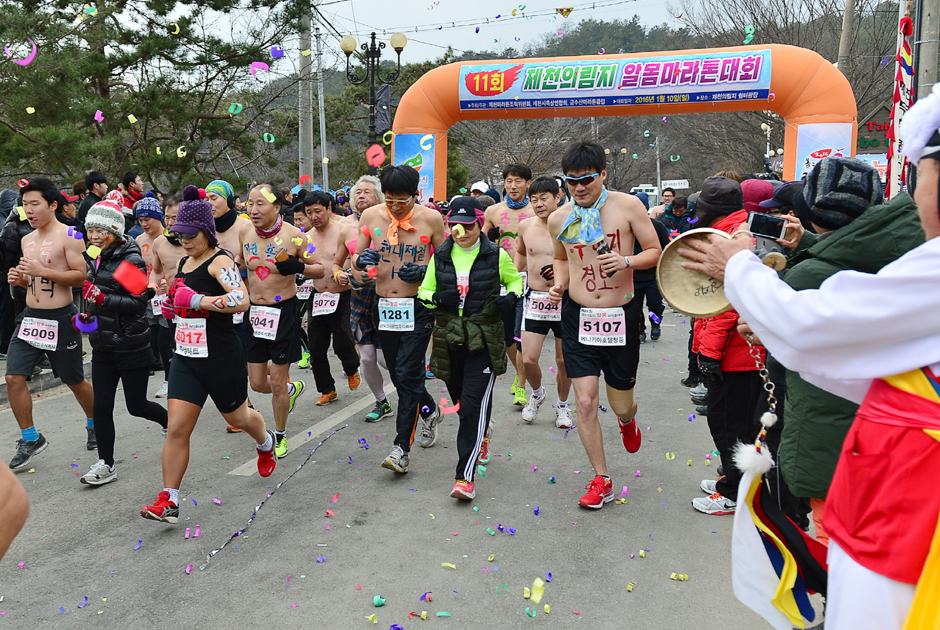
    Only in Korea: where winter means confetti, cheering crowds, and runners brave enough to race in almost nothing.

    Official Name: The 18th Uirimji Samhan Chorok-gil Naked Marathon
    Date: January 11, 2026 (Sun)

    • Gathering Time: 09:00
    • Race Start: 11:00
      Location: Uirimji Waterside Stage, Jecheon, Chungcheongbuk-do
      Distance: 7 km
      Organizer: Jecheon Athletics Federation

    Set by the scenic Uirimji Lake, this marathon blends winter endurance with beautiful natural views. Jecheon is known for its clean air, forest trails, and calm lakeside scenery—making this event feel more like a winter festival than a hardcore race.

    Registration Details

    • Registration Period: November 17, 2025 – January 4, 2026 (first 900 participants)
    • Entry Fee: KRW 40,000
    • Souvenirs: Record certificate, finisher medal, prize draw opportunities
    • Time Limit: 1 hour 30 minutes

    The lakeside course is especially popular among runners who enjoy combining physical challenge with a scenic route. And after the race, many participants stick around Jecheon to enjoy hot local dishes and the city’s cozy winter cafés.


    A Unique Winter Running Experience in Korea

    Both events offer something you won’t find in most marathon calendars: a mix of Korean winter culture, community spirit, and the thrill of running in the cold. Whether you’re living in Korea or here on a winter trip, joining one of these races is a memorable way to experience local traditions—while also earning major bragging rights.

    If you’re looking for new ways to explore Korea’s running scene, Koodeep will keep guiding you deeper into the country’s unique sports and outdoor culture.