If you plan to stay in Seoul for a few days—or even a full month—the Climate Card (기후동행카드) can be one of the most cost-effective ways to get around the city. Designed as an unlimited public transport pass, it works well for travelers, students, and short-term residents, as long as you understand a few important limitations. Here’s what foreigners should know before using it.
1. What Is the Climate Card?
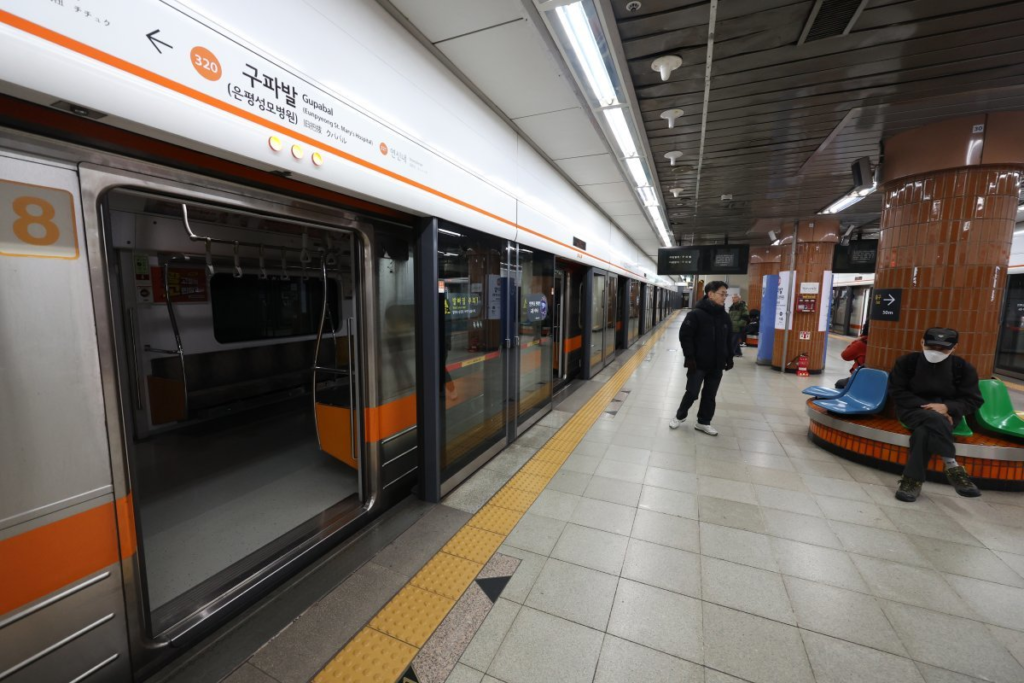
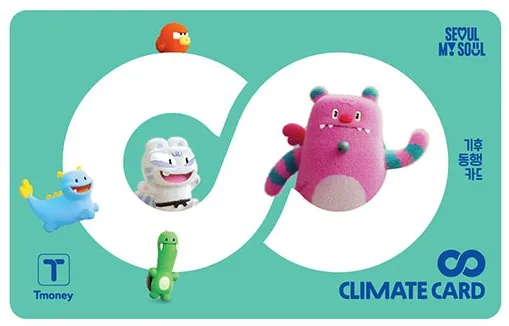
The Climate Card is a flat-rate public transportation pass introduced by the Seoul Metropolitan Government. Once activated, it allows unlimited rides on Seoul subways and city buses for a fixed period. Some plans also include Ttareungi (Seoul’s public bike system). The goal is simple: encourage public transport use while helping users save on daily travel costs.
2. How Much Does It Cost and How Much Can You Save?
The standard prices are straightforward.
A 30-day pass costs around KRW 62,000, and if you want to include Ttareungi, the price goes up slightly to about KRW 65,000. For travelers, there are also short-term passes (1, 2, 3, 5, or 7 days), generally ranging from KRW 5,000 to KRW 20,000, depending on the duration. If you plan to take the subway or bus more than two or three times a day, the card quickly becomes cheaper than pay-per-ride fares.
Also, note that if you buy a physical card, additional KRW 3,000 is charged for the card, which is non-refundable.
3. How to Use It (Important for Short-Term Foreign Travelers)
This is where many foreigners get confused.
Mobile Climate Cards are not suitable for most short-term foreign visitors, especially iPhone users or travelers without Korean phone authentication. In practice, foreign tourists should use the physical card only. Once you have the physical card, usage is simple: tap it at subway gates and bus readers just like a normal T-money card.
4. Where to Buy the Physical Card
You can purchase the Climate Card at:
- Major subway station customer service centers (Lines 1–8)
- Tourist information centers such as Myeongdong or Seoul Tourism Plaza
- Some convenience stores (ex. GS25, CU, Seven Eleven) near subway stations
The physical card itself usually costs around KRW 3,000, separate from the pass fee.
5. How to Recharge the Card
After buying the card, you must activate it at a subway station recharge machine. At the machine, you choose the pass type (1-day, 7-day, 30-day, etc.) and pay using cash or a credit/debit card, depending on the machine. Once charged, the pass becomes valid immediately or from the selected start time.
6. Important Things Foreigners Should Know (Refunds & Limitations)
Refunds are the most critical issue for foreigners.
If you do not have a Korean bank account and want a refund for unused balance, you must first stop the card at a subway recharge machine. After that, you need to visit T-money headquarters near Seoul Station in person to apply for a refund. The refund is not processed immediately—you must return about three days later to receive the remaining balance. This process can be inconvenient, so it’s best to plan your usage carefully.
Also note that refunds after the pass expires are generally difficult, and once a short-term pass is heavily used, the refundable amount may be limited.
Koodeep Tip
If you’re staying in Seoul for 3–7 days and plan to move around a lot, the Climate Card is a great deal—as long as you’re comfortable using a physical card and don’t expect a quick refund. For longer stays, the 30-day pass offers some of the best transport value in the city.
Getting around Seoul doesn’t have to be complicated. With the right card and a bit of planning, it can also be surprisingly affordable.