Koodeep

  • Practical Tips for Eating Out in Korea — What First-Time Visitors Should Know

    Dining in Korea is one of the highlights of traveling here — fast service, flavorful dishes, and lively atmospheres everywhere from tiny alley restaurants to trendy brunch cafés. Still, a few local habits can feel unfamiliar if you’re new. Understanding them helps you order confidently and enjoy the experience like a local.


    1. Digital waiting lists — no need to stand in line
    At popular restaurants, you often won’t see people physically queuing. Instead, there’s usually a tablet kiosk near the entrance where you enter your name and phone number. When your table is ready, you’ll get a KakaoTalk message or automated call telling you to come back. This means you can explore nearby streets instead of waiting on the pavement.
    Traveler tip: If you don’t have a Korean number, ask the staff to register you manually or print a paper ticket — most places are used to helping visitors. Arrive back a few minutes before your estimated turn, because missed calls may push you down the list.


    2. Table call buttons — press for service instead of waving
    Many Korean restaurants have a small button on the table. Press it when you need the staff, and your table number lights up on a screen. It’s efficient, polite, and prevents awkward hand-waving. If there’s no button, a quick “저기요 (jeo-gi-yo)” spoken lightly is the standard way to call a server.
    Traveler tip: Use the button when you’re ready to order, want more side dishes, or need the bill. It’s normal — you’re not being rude.


    3. Water, utensils, and side dishes are usually self-serve (or free refills)
    Korean meals often come with banchan (side dishes) like kimchi, pickled radish, or bean sprouts — and refills are usually complimentary. Water is commonly self-serve from a dispenser, and chopsticks/spoons may be in a drawer under the table.
    Traveler tip: Take only what you’ll finish — sharing is expected, wasting food isn’t. If you’re unsure whether something is refillable, simply point and ask, “More? OK?” and the staff will guide you.


    4. Paying at the counter — not at the table
    In many restaurants, you’ll walk to the front counter to pay, even if you received the bill at your seat. Cards are widely accepted (including many foreign cards), and you usually choose “credit” on the terminal.
    Traveler tip: Tips aren’t expected and service charges are already included. If you truly want to show appreciation, a sincere “감사합니다!” is perfect.


    5. Sharing dishes is normal — and sometimes expected
    Korean dining is social. Large pots of stew, barbecue platters, or fried chicken buckets are meant to be shared from the center of the table. Individual plates might be small or absent altogether.
    Traveler tip: If you prefer your own portion, choose restaurants that serve single bowls like bibimbap, gukbap, or noodles. Street-food stalls are also great for solo dining.


    Takeaway

    Eating out in Korea mixes technology, speed, and community. Digital waiting lists keep lines moving, call buttons make service easy, side dishes and water often flow freely, payments happen at the counter, and meals are designed for sharing.

    Once you understand these rhythms, the experience becomes relaxed — and you can focus on what really matters: discovering your favorite Korean dishes and enjoying the lively restaurant culture all around you.

  • 3 Helpful Tips for Experiencing New Year’s Day in Korea

    Celebrating New Year’s Day in Korea feels different from many places in the world. It’s quieter, more family-centered, and filled with traditions that balance meaning and comfort. If you plan to be in Korea when the year turns, understanding a few customs can transform your experience from “just another holiday” into something memorable and deeply cultural.


    1. Tteokguk — the bowl that marks your “first birthday” of the year
    On New Year’s morning, many Korean families start the day with tteokguk, a warm soup made with sliced rice cakes. The white color symbolizes purity and a fresh start, while the oval rice cakes — resembling old coin shapes — are often said to bring prosperity. There’s also a famous saying: you only age after eating tteokguk. It’s playful, but it shows how closely this dish is tied to the passage of time.


    Traveler tip: If you’re staying in Korea, try tteokguk at local restaurants or Korean barbecue spots that offer seasonal menus — or pick up pre-made packs at supermarkets like E-Mart or Lotte Mart and cook it in your accommodation. Add egg strips, seaweed, and dumplings (mandu) for an authentic touch.


    2. Sunrise watching — welcoming the year with the first light
    Many Koreans head out before dawn on January 1 to watch the first sunrise of the year, making wishes as the sun comes up. You’ll see families, couples, and hikers gathered at beaches and mountains, often with thermoses of tea and small fireworks or lanterns at larger events. Famous spots include Homigot in Pohang, Jeongdongjin on the East Coast, Seongsan Ilchulbong in Jeju, Gyeongpo Beach in Gangneung, and Haeundae Beach in Busan.
    Traveler tip: Expect crowds and chilly winds. Bring gloves, arrive early, and check local transportation schedules — some cities add special early-morning buses for sunrise events. If you prefer something quieter, choose a smaller coastal town or a nearby hill in your neighborhood.


    3. New Year greetings — from traditional visits to quick phone messages
    Traditionally, families visited elders on New Year’s Day to bow, share wishes for health and fortune, and exchange envelopes or small gifts. While these visits still happen, many people today send text messages or KakaoTalk greetings instead, especially to friends, colleagues, teachers, and mentors. A short, sincere message goes a long way and keeps the spirit of connection alive.
    Traveler tip: If someone helped you during your stay — a host, coworker, professor, or neighbor — send a message like: “Happy New Year! Wishing you health and good fortune in the year ahead.” It feels thoughtful, and it reflects modern Korean etiquette.


    Takeaway

    Korea’s New Year blends warmth, reflection, and community. A bowl of tteokguk symbolizes fresh beginnings, the first sunrise invites hopeful wishes, and greetings — whether in person or by message — reinforce relationships. If you’re here when the year begins, try embracing these traditions. You’ll not only see how Koreans welcome the future, but you may find your own meaningful way to start the year as well.

  • Must-Buy Items from Korean Traditional Markets — What to Bring Home from Gwangjang, Namdaemun & Beyond

    Exploring Korea’s traditional markets feels like stepping into a living museum of food, colors, voices, and bargains. Many travelers arrive thinking these markets are only for street food — kimchi, tteokbokki, bindaetteok — and leave without realizing they walked past some of the best-value souvenirs in the country.

    If you plan to visit Gwangjang Market, Namdaemun Market, or similar local markets in Korea, here are three must-buy items that locals and savvy travelers quietly rave about.


    1. Korean Comforters (이불) — surprisingly stylish, warm, and affordable
    Walk into the “blanket alley” inside Gwangjang Market and you’ll hear vendors call out “Made in Korea!” while towering piles of comforters nearly touch the ceiling. Once known mostly among locals, this alley has become a viral hit among travelers from Taiwan, Singapore, and beyond because the prices are far lower than department stores, yet the quality is excellent. Many tourists even buy multiple blankets as family gifts. Shops frequently vacuum-pack bulky blankets so they fit easily into luggage, and some offer low-cost overseas shipping. If you like bold floral patterns or soft minimalist styles, you’ll find both — all at prices that feel like a steal.


    Traveler tip: Always compare a few stalls, ask whether vacuum packing is included, and check how warm the filling is (winter vs. all-season). Bulk purchases often get generous discounts.
    Where to try: Gwangjang Market “blanket alley” in Jongno (vendors often accept multiple currencies and help with packing).


    2. Towels — everyday gifts that feel premium for the price
    If you’ve noticed the soft hand towels often used in Korean homes, spas, and gyms, you can actually buy them directly at markets like Dongdaemun and Gwangjang. These markets are hubs for textile wholesalers, so towels range from small daily-use sizes to hotel-style bath towels and even large beach towels. Prices drop further when you buy in sets, which makes them brilliant souvenirs for friends — practical, packable, and used all year long. Many vendors also offer embroidery or simple customization options.
    Traveler tip: Touch before you buy — thicker towels absorb better, and cotton content matters. If you’re gifting, ask for “set packaging” to keep them organized in your suitcase.
    Where to try: Dongdaemun Market textile zone, Gwangjang Market fabric sections (look for bundles stacked high on rolling carts).


    3. Traditional Fans (부채) — light, beautiful, and meaningful
    Korean folding fans and round fans have long been symbols of summer — elegant, artistic, and often hand-made with patterned paper or painted designs. In traditional markets, you’ll find fans decorated with landscapes, hanbok motifs, calligraphy, cranes, or lotus flowers. They’re perfect as souvenirs because they weigh almost nothing yet look like art pieces. In hot weather, they also double as actual cooling tools — stylish and practical at the same time.
    Traveler tip: Ask whether the fan is hand-painted or printed, and store it between flat items in your bag so it keeps its shape. Fans paired with tea or snacks make thoughtful gift sets.
    Where to try: Namdaemun Market souvenir lanes, Insadong (nearby to many markets), and stalls around royal palaces.


    Takeaway

    Korea’s traditional markets are not only food havens — they’re treasure spots for practical, high-quality items that carry real cultural stories. Warm Korean comforters, surprisingly affordable towels, and beautifully crafted fans each represent everyday Korean life in different ways. When you wander through Gwangjang, Namdaemun, or Dongdaemun, slow down, bargain politely, compare a few shops, and pack an extra tote bag. The souvenirs you bring home may end up being things you use — and remember — far more often than you expect.

  • The Four Major Social Insurances in Korea: A Must-Know Guide for Foreign Workers

    If you’re planning to work in Korea, you’ll quickly hear people talk about the “four major social insurances” (4대 보험). They are a core part of Korea’s employment system and directly affect your salary, healthcare access, job security, and even your long-term stay. Many foreign workers are unsure what these insurances actually cover, how much they cost, and whether they apply to non-Koreans. Here’s a clear, practical breakdown from a foreign employee’s perspective.


    1. What Are the Four Major Social Insurances in Korea?

    The four major social insurances are government-run programs designed to protect workers against common life and work risks such as illness, unemployment, injury, and old age. In Korea, most employees working under a valid employment contract are automatically covered, regardless of whether they are full-time, part-time, or on a fixed-term contract (as long as they work 60 hours or more per month).

    The four insurances are:
    National Pension (국민연금) – retirement and long-term income security
    National Health Insurance (건강보험) – medical care and health screenings
    Employment Insurance (고용보험) – unemployment and leave-related benefits
    Industrial Accident Compensation Insurance (산재보험) – work-related injury or illness coverage

    These systems form the backbone of Korea’s social safety net for workers.


    2. How Much Are the Contributions, and Who Pays?

    Most of the four insurances are shared between the employer and the employee, which is why your take-home pay (“net salary”) is lower than your agreed “gross salary.”

    National Pension:
    9% of monthly salary in total. For employees, the employer pays 4.5% and the employee pays 4.5%.

    National Health Insurance:
    Approximately 6.86% of salary, split equally between employer and employee. This includes long-term care insurance, which is calculated as a percentage of the health insurance premium.

    Employment Insurance:
    Contributions are shared, with exact rates depending on company size and role. This insurance funds unemployment benefits, parental leave pay, and job-training support.

    Industrial Accident Insurance:
    100% paid by the employer. Employees do not contribute at all.

    This is why Korean job offers usually quote salaries before deductions—social insurance contributions are mandatory and deducted monthly.


    3. Do the Four Insurances Apply to Foreign Workers?

    Yes, foreign workers are generally covered, but the scope varies by insurance and visa status.

    Health Insurance:
    Most foreign employees working in insured workplaces must enroll, just like Korean employees. If you already receive equivalent medical coverage under foreign law or a private arrangement, you may apply for an exemption. Short-term foreign workers may also be exempt from long-term care insurance.

    Industrial Accident Insurance:
    Applies to all foreign workers without exception, regardless of visa type or legal status. Even undocumented workers are covered if they suffer a work-related injury or illness.

    National Pension:
    Generally applies to foreign residents aged 18–60 who earn income in Korea. However, nationals of certain countries (about 22) may be exempt due to reciprocity rules, and some visa types (such as students or trainees) may also be excluded.

    Employment Insurance:
    Mandatory for permanent residents and marriage-based immigrants. For other visa holders—such as short-term workers, overseas Koreans, or specific employment visas—enrollment may be optional, depending on status and employee choice.


    Takeaway

    The four major social insurances are not optional add-ons—they are a fundamental part of working legally in Korea. They affect your paycheck, healthcare access, job stability, and long-term security. While foreign workers are largely treated the same as Korean employees, visa type and nationality can change how certain insurances apply. Before starting a job, it’s always worth checking which insurances you’re enrolled in and how much is being deducted, so there are no surprises later.

  • Why Now Is the Perfect Time to Travel to Korea

    Many people feel that everyone is suddenly traveling to Korea—and the numbers prove it. According to the Ministry of Culture, Sports and Tourism, Korea is expected to welcome over 18.7 million international visitors this year, the highest figure in history and well beyond the pre-pandemic record set in 2019. That translates to one foreign visitor entering Korea every 1.68 seconds. This surge isn’t accidental. It reflects a unique moment where affordability, government support, and global interest in Korean culture all align, making right now an exceptionally good time to visit.


    1. A Weaker Korean Won Means Korea Is More Affordable Than Ever

    One of the biggest reasons Korea has become such an attractive destination is the exchange rate. The Korean won has fallen significantly against major currencies, meaning travelers paying in USD, EUR, or JPY get far more value for their money than in past years.

    Hotels, food, transportation, shopping, and even beauty services feel noticeably cheaper compared to just a few years ago. From boutique hotels in Seoul to street food in Busan, travelers can enjoy high-quality experiences at prices that feel surprisingly reasonable. For budget-conscious travelers—or those looking to upgrade their travel style without overspending—this is a rare window of opportunity.


    2. Korea Is Actively Rolling Out Benefits for Foreign Visitors

    Korea isn’t just passively enjoying increased tourism—it’s actively encouraging it. The government and tourism industry are working together to make travel easier, cheaper, and more rewarding for foreigners. Nationwide events such as large-scale shopping festivals (Korea Grand Sale Festa is one example), airline promotions, hotel packages, tax-refund expansions, and foreigner-friendly payment systems are all part of this push.

    From duty-free perks to transportation discounts and multilingual services, Korea is investing heavily in convenience. These efforts are especially noticeable in major travel hubs like Seoul, Busan, and Jeju, but many benefits extend nationwide. For visitors, this means fewer barriers, smoother logistics, and more value packed into a single trip.


    3. K-Content Has Made Traveling Korea More Fun Than Ever

    Korea today offers far more than sightseeing—it offers stories you already care about. The global success of K-pop, Korean dramas, films, and even animation and gaming has transformed ordinary travel spots into cultural touchpoints. Fans now visit filming locations, concert venues, pop-up stores, themed cafés, exhibitions, and immersive experiences tied to their favorite artists and shows.

    With the continued rise of K-content—from chart-topping idol groups to globally streamed series and animated hits—traveling in Korea feels interactive and personal. Food, fashion, sports, nightlife, and even baseball stadiums have become part of the broader K-culture experience. For many travelers, Korea isn’t just a place to see—it’s a place to participate.


    Takeaway

    Record-breaking visitor numbers, a favorable exchange rate, strong government support for tourism, and an explosion of globally loved K-content have created a perfect storm for travelers. Korea right now is affordable, welcoming, exciting, and culturally rich in ways that are hard to replicate. If you’ve been waiting for the right moment to visit—or revisit—this might be the best timing yet.

  • Understanding “Administrative Leave” in Korea: What Workers Should Know

    Many foreign employees working in Korea encounter the concept of administrative leave during internal investigations or when employers face concerns about workplace disruptions. While it may resemble “garden leave” used in other jurisdictions, its legal nature and consequences differ. Knowing the differences helps foreign workers protect their rights and understand what to expect.


    1. What is administrative leave under Korean labor law?

    Administrative leave (직위해제/대기발령) is a temporary HR measure in which a company removes an employee from their duties and position for the time being.

    Korean courts view it as a preventative measure intended to avoid anticipated obstacles in business operations, such as:
    – ongoing disciplinary investigations
    – criminal indictments
    – risk of disruption if the employee continues performing duties

    Because administrative leave is not disciplinary punishment itself, it generally falls within the employer’s managerial discretion, unless:
    – it violates statutory labor protections
    – the employer abuses its rights
    – or the measure lacks a reasonable basis

    This distinguishes it from formal sanctions and gives employers broader discretion.


    2. Procedure and employee rights during administrative leave

    Since administrative leave is not a disciplinary sanction, employers are not strictly required to apply full disciplinary procedures unless internal rules classify it as such.

    Courts still examine factors such as:
    – whether the company communicated with the employee
    – whether internal rules implied procedural expectations
    – proportionality and fairness of the measure

    If administrative leave is effectively treated as a disciplinary action under internal rules (e.g., ROE provisions or collective agreements), then normal disciplinary procedures must be followed, and procedural violations may invalidate the action.


    3. Reasonable duration requirements

    Administrative leave must remain temporary and reasonably limited.

    In practice:
    – around three months is frequently viewed as the outer reasonable boundary
    – excessive duration without justified need risks invalidation
    – recent court decisions emphasize evaluating when the necessity expired, not automatically voiding the entire period

    This means that earlier portions of the administrative leave may remain valid even if later periods become unlawful due to excessive length.


    4. How administrative leave differs from garden leave

    Garden leave, common in the UK and other jurisdictions, prevents employees from working after resignation or before contract termination, typically to protect confidential information or client relationships while continuing salary payments.

    Key differences:

    Purpose
    administrative leave: prevent disruption during employment
    garden leave: restrict competition before exit

    Legal basis
    administrative leave: managerial authority and operational necessity
    garden leave: contractual provisions and post-termination restraints

    Duration control
    administrative leave: evaluated by reasonableness under case law
    garden leave: negotiated contractually at termination stage

    Procedural requirements
    administrative leave: may not require disciplinary procedure
    garden leave: based on individual employment contracts


    5. Practical questions foreign workers ask

    Will salary continue?
    Generally yes, though treatment of bonuses/allowances depends on internal policies.

    Is administrative leave a sign of termination?
    Not necessarily. It may precede:
    – investigation and reinstatement
    – formal discipline
    – restructuring or reassignment

    Can I challenge administrative leave?
    Yes, especially when:
    – the reason is vague
    – the duration becomes excessive
    – internal procedural expectations were ignored


    Takeaway

    Administrative leave in Korea is a temporary, lawful HR measure used to prevent anticipated workplace disruption rather than impose punishment. Its validity depends largely on reasonable grounds, procedural fairness, and limited duration. While it may resemble garden leave superficially, the two differ significantly in purpose and legal structure. Foreign workers placed on administrative leave should review internal policies, understand the employer’s stated reasons, and monitor how long the measure continues.

  • Why film lovers should visit the newly-opened Seoul Film Center in Chungmuro

    If you love Korean cinema, Chungmuro is more than a neighborhood—it is the symbolic birthplace of Korean filmmaking. Now there’s a new reason to visit. On November 28, 2025, Seoul officially opened the Seoul Film Center, a public cultural complex designed to support independent and artistic film, and to reconnect citizens with the roots of Korea’s movie industry. This venue isn’t just for watching films; it is meant to be a living space for creation, learning, and exchange.

    1. What the Seoul Film Center offers

    The center spans from three basement levels up to the 10th floor. Its concept goes far beyond a cinema. Three theaters seat 166, 78, and 68 people respectively, with Theater 1 equipped with dual 35mm film projectors for analogue screenings, Theater 2 offering comfort seats, and Theater 3 featuring recliners for a more relaxed experience. The facility also includes a rooftop theater, a film café, a curated exhibition hall, multipurpose rooms, shared working spaces for creators, and meeting rooms for collaboration.

      Floor programs are carefully arranged to support both creators and the public. The 4th floor exhibition hall features interactive displays related to filmmaking. The 7th floor multipurpose hall hosts classes and workshops, while the 8th floor shared offices serve film industry professionals seeking space to work and network. The 9th floor archive allows visitors to browse books, DVDs, and film literature, with materials inherited from the now-closing Chungmuro Video Center. Film screenings, GV events, citizen film-making programs, and short-film training courses will be held year-round in the center’s three theaters.

      Independent and art films will be spotlighted, alongside programs to discover new directors and support film distribution and investment ecosystems such as markets and pitching events. Outdoor screenings on the rooftop and hands-on exhibition programs will connect cinema to daily cultural life. Through this center, Seoul hopes to re-establish Chungmuro as a hub for film production and appreciation.

      2. Pop-up exhibitions for iconic Korean films (through February 28, 2026)

      Seoul Film Center’s pop-up offers a glimpse into the nostalgic set pieces of Oldboy, where Oh Dae-soo was imprisoned for 15 years.

      To celebrate its opening phase, the Seoul Film Center is hosting limited-time pop-ups inspired by beloved Korean movies. Visitors can expect interactive displays, film props, and nostalgic set pieces referencing classics such as Oldboy and Architecture 101. Both films left strong marks on Korean cinema—whether it’s the corridor hammer scene in Oldboy or the emotional soundtrack and coming-of-age nostalgia of Architecture 101. For long-time fans, these installations offer a chance to relive iconic scenes and immerse themselves in film history.

        The pop-ups are open daily and admission is free, making them accessible for students, tourists, and casual visitors. According to early reviews shared by visitors online, the exhibition recreates props, posters, and memorable lines from the films, and offers photo zones perfect for fans. If you’re looking for a meaningful cultural stop during your trip to Seoul, or if you simply want to revisit Korean movie memories, the Seoul Film Center pop-ups are worth adding to your itinerary before they close on February 28, 2026.

      1. Why “Dubai Chewy Cookies (두바이 쫀득쿠키)” Took Over Korea: A Trendy Dessert Guide

        What exactly is a “Dubai Chewy Cookie”?
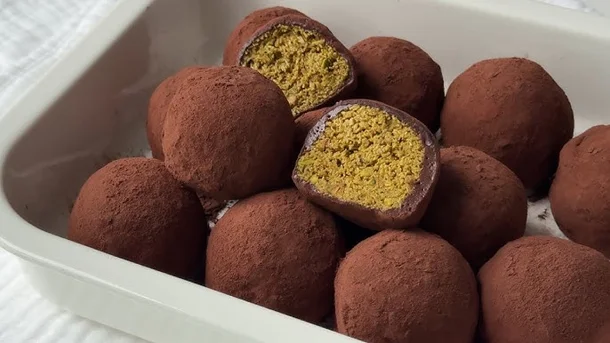
        Across Korean social media feeds recently, one sweet star keeps popping up: the “Dubai chewy cookie,” often shortened to “두쫀쿠.” Despite its name, this dessert isn’t a western cookie at all. It’s a fusion sweet inspired by Middle Eastern flavors and textures. Imagine layers of pistachio cream and crispy kadaif (thin shredded pastry used in Middle Eastern desserts) wrapped inside a soft, chewy shell—sometimes a rice cake, sometimes a macaron-style shell, then coated with chocolate. The contrast between sticky + crunchy textures is what makes it addictive.

        How did it suddenly become a nationwide craze?
        Korean dessert trends increasingly spread through Instagram, TikTok, and Naver blogs. A few artisanal cafés in Seoul began offering premium versions priced around 5,000–8,000 KRW each. The rich pistachio cream and exotic kadaif presentation made these desserts perfect for viral food content.

        Once influencers began posting mukbangs and cross-section videos, demand exploded. Convenience stores seized the momentum and rushed to release mass-market versions. That’s when the craze went mainstream. Limited stock notifications and “sold-out” signs only intensified the hype.

        Where can you buy them now?
        At first, only small specialty cafés and bakeries offered the treat, often requiring waiting lines or even morning “open-run” visits. Today, it has expanded from local cafés to major convenience chains. CU and GS25 introduced multiple versions, priced around 2,900–3,100 KRW. Some buyers even use convenience store mobile apps to track inventory because many stores sell out quickly. Convenience store shelves offering Dubai chewy macaron, chewy rice cake, chocolate balls, or brownie variations reflect the competition to keep up with the social buzz.

        Why convenience stores are jumping on the trend
        Convenience chains have learned that turning online sensations into affordable grab-and-go desserts can drive big revenue fast. Sales figures speak for themselves: CU reported more than 460,000 units sold of the chewy rice cake version alone, while GS25 doubled its Dubai chocolate lineup sales compared to early 2025. The tempo of dessert fads in Korea is accelerating—products come and go within months. “Dubai chewy cookies” follow in the footsteps of previous viral sweets such as Swedish gummies and towel cakes, illustrating how SNS buzz directly shapes store shelves.

        Should travelers and expats try it?
        Definitely. It captures a uniquely Korean moment—how global flavors cross into local convenience culture. If you’re curious about why Koreans are lining up for a dessert smaller than your palm, track down a Dubai chewy cookie at a CU or GS25. The fun lies not only in tasting pistachio and kadaif inside a chewy dough, but also in experiencing the limited-stock rush that defines Korea’s dessert trends today.

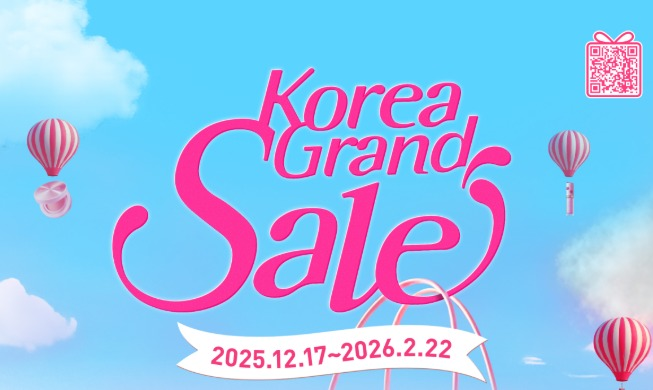
      2. Korea Grand Sale 2026 – Your Essential Winter Shopping Guide

        (Dec 17, 2025 – Feb 22, 2026)

        Many winter travelers think Korea slows down once the weather gets cold, but every year the Korea Grand Sale transforms the winter season into one of the most exciting times to visit. Launched to encourage tourism during the off-peak months, the nationwide festival brings massive discounts, cultural programs, and exclusive benefits tailored for foreign visitors. Running for 68 days from December 17, 2025 through February 22, 2026, this year’s edition expands both in duration and participating businesses, making it the largest Korea Grand Sale yet.


        1. What Makes the Korea Grand Sale Special?

        The festival has grown into Korea’s signature shopping tourism event, now supported by the Ministry of Culture, Sports and Tourism and the Visit Korea Committee. More than 1,750 companies across airlines, hotels, department stores, duty-free shops, convenience chains, attractions, and beauty services participate nationwide. From booking your flight to buying cosmetics downtown, visitors can unlock perks at nearly every stage of the trip.


        2. Huge Flight and Accommodation Discounts

        One of the most attractive benefits is discounted airfare. Ten major airlines, including Korean Air, will provide up to 96% off on international routes flying into Korea. Hotels are also joining with bundled cultural experiences: free ice-rink access at Banyan Tree Club & Spa Seoul, integrated palace admission tickets, K-beauty packages offering prepaid cosmetic cards, and other themed stays that combine accommodation with hands-on activities.


        3. Shopping Benefits: Duty-Free, Outlets, and Convenience Stores

        Department stores, duty-free shops, outlets, supermarkets, and convenience stores will offer expanded promotions for foreign customers. Benefits include gift vouchers based on purchase amounts, instant discount coupons, store-specific welcome gifts, and membership upgrades. Some platforms in partnership—such as Musinsa Standard or CJ Olive Young—will feature up to 90% discount events, plus exclusive items and trial programs available only during the sale.


        4. Easy Tourist Payment and Instant VAT Savings

        Foreign-friendly payment platforms like UnionPay and WOWPASS provide instant tax refunds and additional immediate discounts up to around 15% at participating stores. This means visitors can save money during checkout without extra steps or waiting for refunds at the airport.


        5. Experience-Based K-Lifestyle Programs

        Beyond discounts, this year’s edition expands cultural elements to reflect the increasing demand for experiential tourism. Programs fall under five lifestyle themes:
        K-Gourmet: food tastings and culinary experiences
        K-Exciting: entertainment and activities
        K-Stylish: beauty and fashion programs
        K-Healing: wellness and relaxation events
        K-Inspired: arts, heritage, and culture exhibitions

        Whether it’s beauty demonstrations, palace experiences, or Korean food tastings, these programs add a cultural dimension to shopping trips.


        Takeaway

        If you’re planning a winter trip to Korea, the Korea Grand Sale provides one of the best opportunities to stretch your travel budget while enjoying K-culture more deeply. From discounted flights and hotel packages to K-beauty shopping and cultural experiences, the 2026 edition brings together savings and creativity on a national scale.

        Checking sale benefits while planning your itinerary can make your winter journey smoother, more affordable, and full of memorable discoveries.

      3. More Than Coffee: A Foreigner’s Guide to Korean Café Culture

        1. Cafés as everyday living rooms
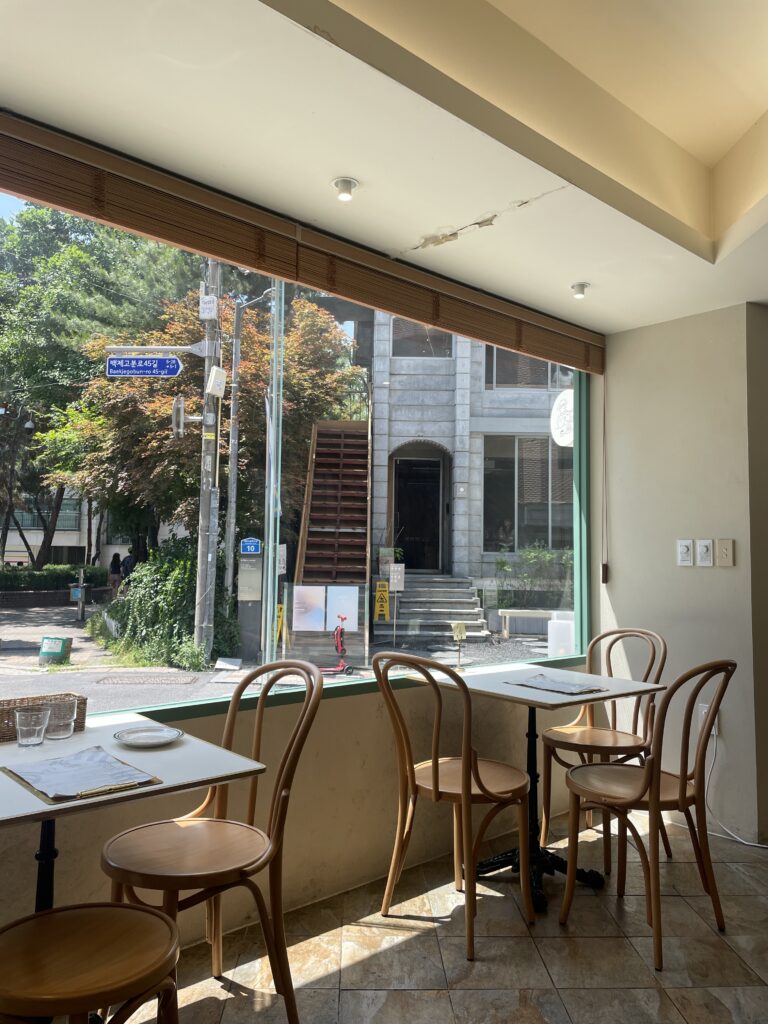
        In Korea, cafés are not just places to grab coffee—they function as extended living rooms, study halls, and casual meeting spaces. It’s common to see people spending hours in a café reading, working, studying for exams, or quietly chatting with friends. Ordering a single drink and staying for a long time is generally accepted, especially on weekdays, which often surprises visitors from countries where cafés prioritize faster turnover.

        2. Saving seats with personal belongings
        One of the most striking aspects of Korean café culture for foreigners is how people save seats. It’s not unusual to see a table “reserved” with a smartphone, wallet, laptop, or even a bag left unattended while the owner goes to order. This practice reflects Korea’s relatively low rate of pickpocketing and strong social norms around respecting others’ property. While visitors may feel uneasy doing this at first, it is a widely accepted and trusted custom in everyday Korean life.

        3. Order first, then find a seat
        In most Korean cafés, the unspoken rule is to order first and then take a seat, even if the café looks crowded. Staff rarely assign seating, and customers are expected to manage this themselves. This is why saving a table with personal items before ordering is so common. During peak hours, this system helps avoid confusion and keeps lines moving efficiently.

        4. Self-service culture and tray return
        Another distinctive feature is the self-service mindset. When you finish your drink, you’re usually expected to return your tray, cups, and trash to a designated return station. This applies even in stylish or minimalist cafés. Cleaning up after yourself is seen as basic courtesy rather than extra work, and most Koreans do it automatically without prompting.

        5. Ice, Wi-Fi, and practical comforts
        Korean cafés are highly optimized for comfort. Iced drinks—especially iced Americanos—are popular year-round, even in winter. Free Wi-Fi and easily accessible power outlets are common, making cafés ideal for remote work or studying. Many cafés also focus heavily on interior design, treating the space itself as part of the experience, which explains why café-hopping is a popular weekend activity.

        Taken together, Korean café culture reflects broader social values: trust, efficiency, and shared responsibility. For foreigners, understanding these small but meaningful customs—like seat-saving with a phone or returning your cup—offers a deeper glimpse into how everyday life in Korea quietly runs on mutual respect.