Koodeep

  • Experience Seoul Eco Hiking Festa 2025 — A Cultural Walk on Namsan

    This November, Seoul invites you to step into autumn with Seoul Eco Hiking Festa 2025, a one-of-a-kind event that blends the beauty of nature with Korean culture. Hosted by the Seoul Tourism Organization, the festival will take place across two weekends — November 15–16 and November 22–23 — at Namsangol Hanok Village, right at the foot of Namsan Mountain.

    The event is designed for everyone — locals, families, and international visitors — to enjoy Seoul’s hiking culture in a fun, eco-friendly, and inclusive way (all free of charge!).

    But among its various programs, one event stands out as a true highlight for foreign participants: the Performance Hiking experience.

    The Highlight: “Performance Hiking” — Hike in Hanbok

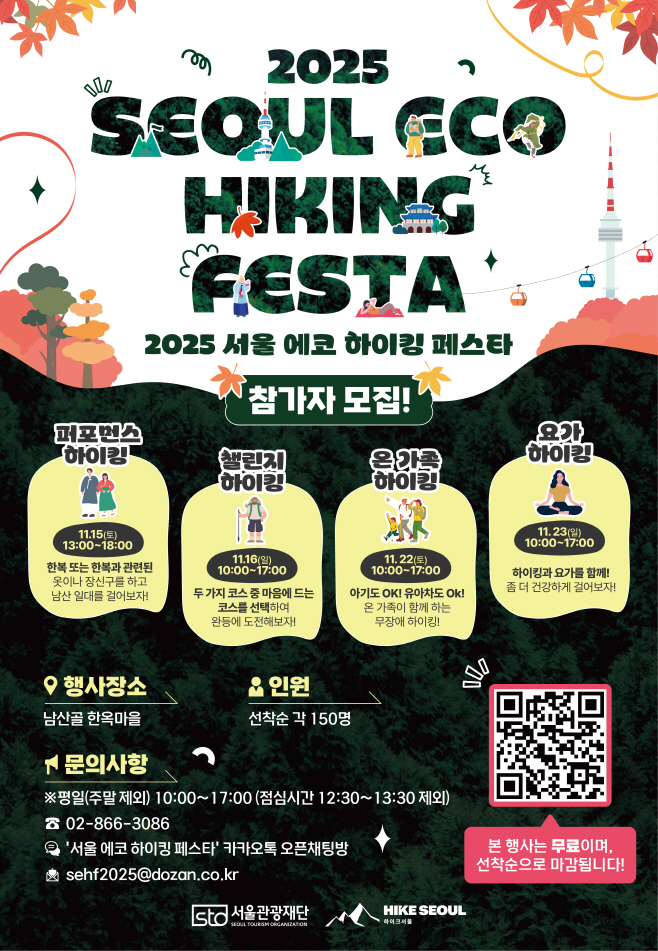
    On November 15 (Saturday), the festival will open with the Performance Hiking event — a special cultural walk where participants wear hanbok (traditional Korean attire) or hanbok-inspired accessories and hike together through the autumn trails of Namsan.

    Imagine walking up the mountain paths surrounded by crimson and gold leaves, with hikers dressed like travelers from the Joseon Dynasty. This is more than a hike — it’s a living cultural performance where history meets nature.

    Along the way, participants will enjoy street-style traditional performances, including madangnori (Korean folk plays) and storytelling theater inspired by old Korean folktales. These small cultural moments turn the hike into an immersive experience that connects past and present Seoul.

    Whether you’re a tourist discovering Korea for the first time or a long-term resident looking for something truly local, this event is the perfect way to explore the heart of Seoul in a new light.


    More Themed Hikes Throughout the Festival

    • Nov 16 (Sun): Challenge Hiking – Choose between two scenic Namsan routes, complete your challenge, and earn a small souvenir.
    • Nov 22 (Sat): Family Hiking – A barrier-free course where parents and children, even those with strollers, can join.
    • Nov 23 (Sun): Yoga Hiking – A refreshing blend of hiking, yoga, and mindfulness practice in the crisp autumn air.

    All programs are free of charge, and registration is available through an online form until November 10. Limited on-site registration may also be open if cancellations occur.


    Venue and Participation Info

    • Location: Namsangol Hanok Village (남산골 한옥마을)
    • Registration: Free / First-come, first-served (150 participants per event) | Register via QR Code in the poster
    • Inquiries: sehf2025@dozan.co.kr | KakaoTalk: “서울 에코 하이킹 페스타”
    • Language: Friendly for both Korean and international participants

    Why You Should Join

    Seoul Eco Hiking Festa is more than just a hike — it’s a celebration of Seoul’s green spaces and cultural spirit. The Performance Hiking in particular offers something you can’t find anywhere else: the chance to wear hanbok, explore Namsan’s scenic trails, and be part of a vibrant cultural exchange between locals and visitors.

    So lace up your shoes, tie your hanbok ribbon, and get ready to experience Seoul’s autumn like never before.
  • Understanding Working Hours in Korea — Legal Rules, Reality, and Change

    Working life in Korea has long been known for its intensity and long hours, but in recent years, the country has been taking serious steps toward a more balanced and employee-friendly environment. To understand this transformation, let’s look at three perspectives — the legal foundation, the reality of everyday work, and the direction of change now shaping Korea’s future.


    1. The Legal Framework — What the Law Says

    Working hours and rest requirementsUnder Korea’s Labor Standards Act (근로기준법).
    The general rule is that the standard working hours shall not exceed 40 hours per week and 8 hours per day. Employers may request extended (overtime) work only with the employee’s consent, and even then, the total working time must not exceed 52 hours per week — that is, the basic 40 hours plus up to 12 hours of overtime.

    Importantly, any overtime work must be compensated with at least 50% additional pay compared to the normal hourly wage. Additional pay also applies to night work and holiday work, and if such work overlaps with overtime, extra premiums may apply under Korean law. This reflects the legal intent to ensure fair and proportionate compensation while safeguarding employees’ health and rest.

    (Reference: Labor Standards Act(근로기준법)(KOR-ENG)


    2. The Reality — Long Hours Still Common in Practice

    Despite this clear legal standard, Korea still ranks among OECD countries with relatively long working hours. The cultural legacy of diligence, company loyalty, and hierarchical office norms has kept workdays long in many sectors.

    That said, large corporations such as Samsung, Hyundai, and SK Group have recently implemented stricter internal systems to comply with the 52-hour rule, introducing digital attendance tracking and mandatory rest policies. However, smaller companies and the F&B (food and beverage) industry often struggle to follow these limits due to tight staffing and economic pressure.

    One tragic example of this imbalance surrfaced in July 2025 when a young employee in his 20s at London Bagel Museum, a popular café brand, reportedly died from overwork. The incident reignited nationwide discussions about enforcing working-hour laws more evenly acoss industries.
    (Related article – London Bagel Museum employee dies after working 80 hours a week – The Korea Times)


    3. The Shift — Toward Shorter and Smarter Work

    Encouragingly, discussions around reducing working hours continue to grow. Korea’s Ministry of Employment and Labor has recently shown support for pilot programs testing a “4.5-day workweek”, emphasizing flexibility, employee well-being, and productivity. Several public institutions and tech companies are experimenting with this schedule, aiming to improve work–life balance and attract younger talent.

    If these trends continue, Korea’s work culture could soon look very different — less about endurance, more about efficiency and creativity.
    The journey from “working long” to “working smart” is underway, and the momentum toward a more employee-friendly future feels stronger than ever.

    #workinghoursinkorea #koreaworkhours #londonbaglemuseumdeath

  • Five Amazing Hikes in Seoul You Can Reach by Subway

    If you think hiking in Seoul requires a long drive or an early morning bus, think again. The city is surrounded by beautiful peaks — and the best part? You can reach many of them by subway. Whether you’re a weekend explorer, a casual walker, or a first-time visitor looking for fresh air and a view, these five mountains will let you hike deep into nature without leaving the city.


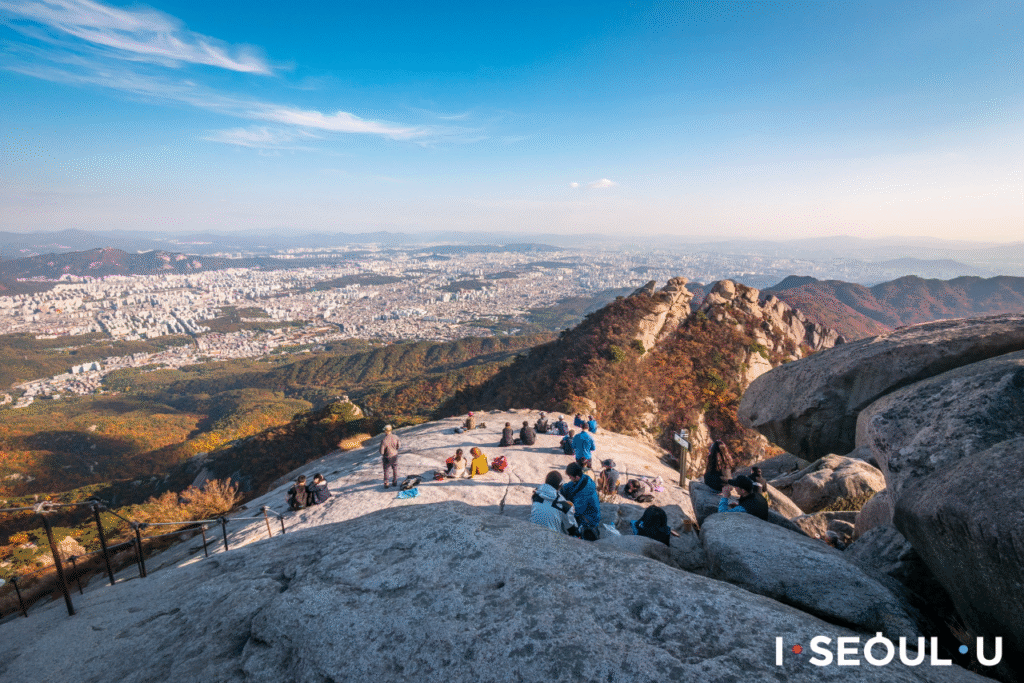
    1. Bukhansan — Seoul’s Iconic National Park (Northern part of Seoul)

    Nearest Station: Gupabal (Line 3) or Bukhansan Ui(Ui-Sinseol Line)
    Easy Course Duration: Around 2–4 hours round trip

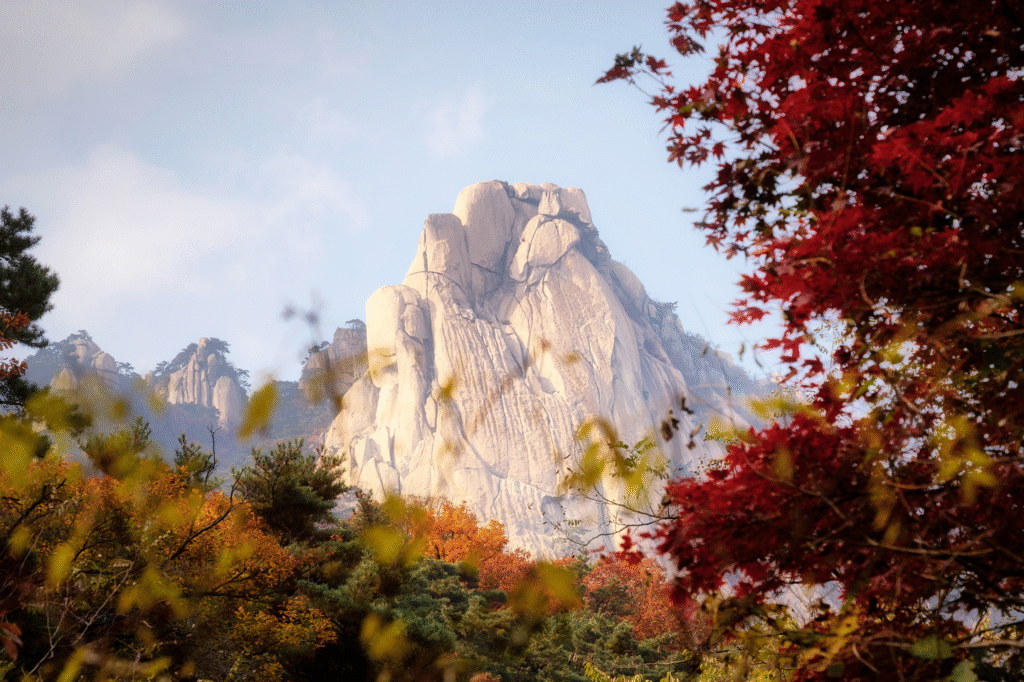
    Bukhansan is the crown jewel of Seoul’s hiking scene. It’s technically inside the city, but the granite peaks and forested trails make you feel far away from the urban rush. The Baegundae Peak course is the most famous, offering a panoramic view of Seoul’s skyline. Even the easier routes deliver peaceful temples, fortress walls, and endless photo spots. Start early, bring water, and expect to share the trail with friendly locals — hiking is practically a national sport here.


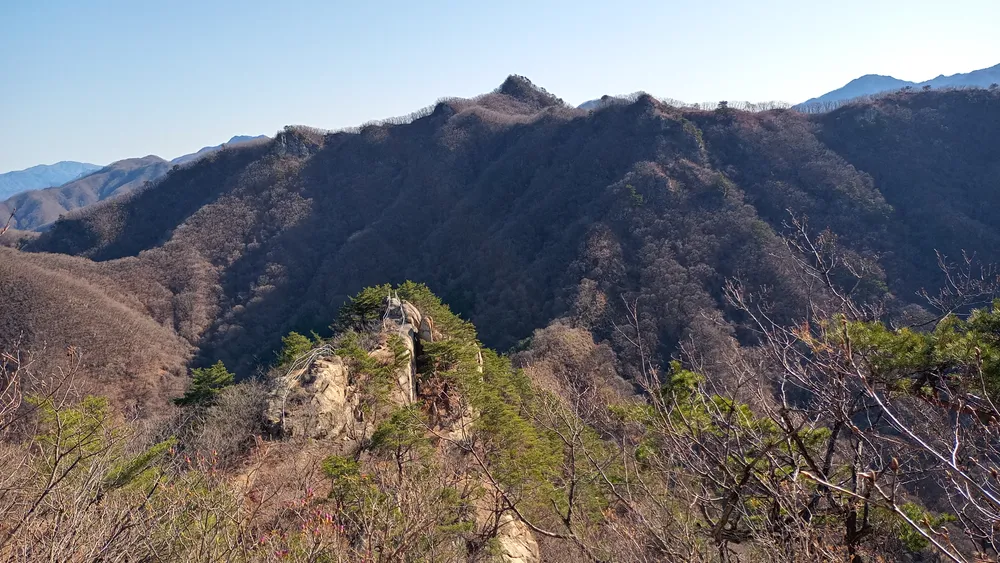
    2. Dobongsan — Wild Peaks on the Northern Edge (Northeastern part of Seoul)

    Nearest Station: Dobongsan Station (Lines 1 & 7)
    Easy Course Duration: Around 3–4 hours round trip

    Dobongsan has a rugged charm, with sharp granite ridges and dramatic cliff views. It’s less polished than Bukhansan but feels adventurous and photogenic. The easier trails still give you that “real mountain” experience without requiring heavy gear. Once you descend, reward yourself with a hearty Korean meal from one of the small restaurants at the base — mountain-side pajeon (green-onion pancake) and makgeolli never taste better.


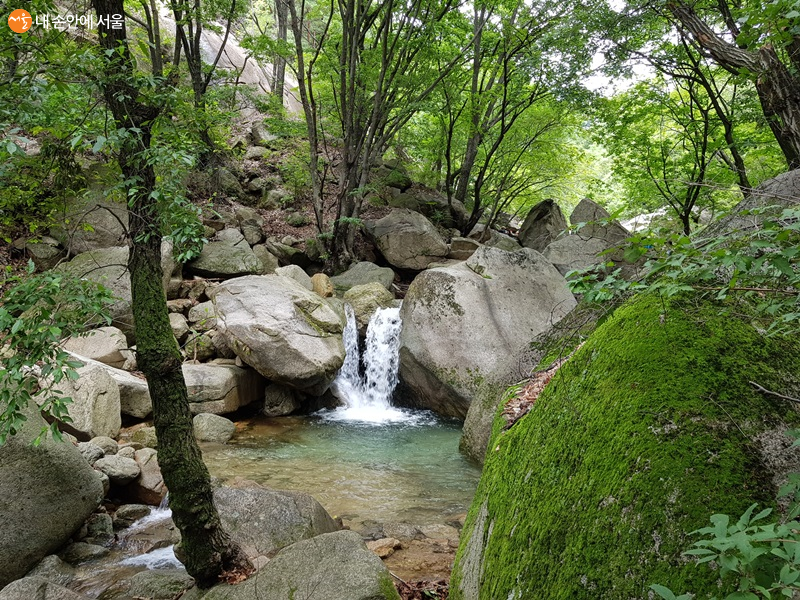
    3. Suraksan — Quiet Trails and Waterfalls (Northeastern part of Seoul)

    Nearest Station: Suraksan Station (Line 7)
    Easy Course Duration: Around 3 hours round trip

    If you want to escape the crowds and embrace nature, Suraksan is your spot. Its granite formations and small waterfalls offer a peaceful, slower-paced hike. The trails are gentle enough for beginners, and you’ll still enjoy sweeping views near the summit. Locals love to end their hike with a warm bowl of Sundubu Jjigae (Spicy Soft Tofu Stew) near Suraksan Station — the perfect city-meets-nature blend.


    4. Cheonggyesan — The South Seoul Favorite (Southeastern part of Seoul)

    Nearest Station: Cheonggyesan Station (Shinbundang Line)
    Easy Course Duration: Around 3–4 hours round trip

    Just a few stops from Gangnam, Cheonggyesan is ideal for a quick morning or afternoon climb. The Wonteogol to Maebong Peak route is one of the easiest, offering shady paths and well-marked trails. It’s a favorite among Seoulites looking to stretch their legs without leaving the metro zone. Afterward, treat yourself to brunch or dessert at one of the trendy cafés back in Gangnam — a perfectly balanced Seoul day.


    5. Gwanaksan — The Mountain Next to Seoul National University (Southwestern part of Seoul)

    Nearest Station: Seoul National University Station (Line 2) or Gwanaksan Station (Sillim Line)
    Easy Course Duration: Around 4 hours round trip

    Gwanaksan delivers a bit more adventure with rocky ridges and thrilling viewpoints. From the Seoul National University entrance, you can reach the summit in about two hours at a relaxed pace. The views are spectacular, especially at sunset. On your way down, explore the student neighborhoods of Sillim or SNU for local street food or a cozy pub with college vibes.


    Seoul isn’t just skyscrapers and street food — it’s also one of the world’s few capitals where you can step off the subway and onto a mountain trail. Each of these hikes offers something unique: Bukhansan’s grandeur, Dobongsan’s wild rocks, Suraksan’s calm paths, Cheonggyesan’s convenience, and Gwanaksan’s dramatic views.

    Pack light, wear good shoes, and let your Seoul adventure begin — one subway stop at a time.

    #SeoulHiking #KoodeepTravel #TravelingDeepInKorea

  • About

    Koodeep invites you to dive deeper into Korea — its culture, people, and everyday life.
    We believe that truly experiencing a place goes beyond sightseeing. It’s about understanding how people live, connect, and create meaning in their surroundings.

    From local insights to cultural stories, Koodeep helps you explore Korea with depth and authenticity. Whether you’re a newcomer, student, or young professional, we’re here to make your journey more informed, connected, and inspiring.

    Deep dive into Korea. Discover what lies beneath the surface.