1. Cafés as everyday living rooms
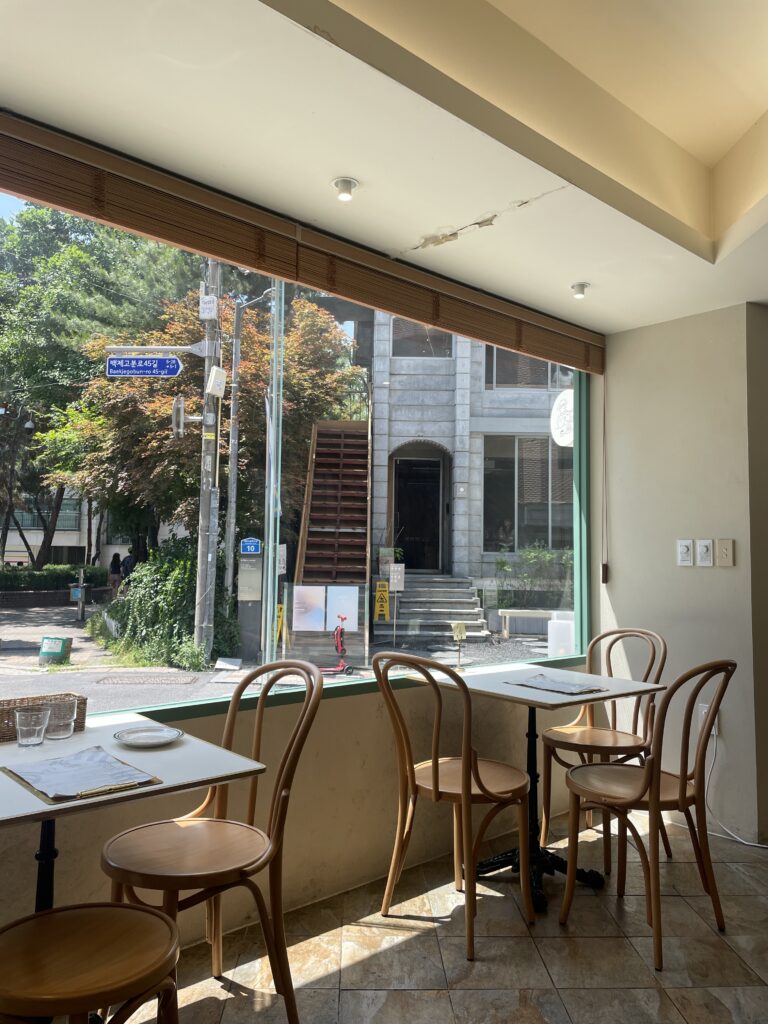
In Korea, cafés are not just places to grab coffee—they function as extended living rooms, study halls, and casual meeting spaces. It’s common to see people spending hours in a café reading, working, studying for exams, or quietly chatting with friends. Ordering a single drink and staying for a long time is generally accepted, especially on weekdays, which often surprises visitors from countries where cafés prioritize faster turnover.
2. Saving seats with personal belongings
One of the most striking aspects of Korean café culture for foreigners is how people save seats. It’s not unusual to see a table “reserved” with a smartphone, wallet, laptop, or even a bag left unattended while the owner goes to order. This practice reflects Korea’s relatively low rate of pickpocketing and strong social norms around respecting others’ property. While visitors may feel uneasy doing this at first, it is a widely accepted and trusted custom in everyday Korean life.
3. Order first, then find a seat
In most Korean cafés, the unspoken rule is to order first and then take a seat, even if the café looks crowded. Staff rarely assign seating, and customers are expected to manage this themselves. This is why saving a table with personal items before ordering is so common. During peak hours, this system helps avoid confusion and keeps lines moving efficiently.
4. Self-service culture and tray return
Another distinctive feature is the self-service mindset. When you finish your drink, you’re usually expected to return your tray, cups, and trash to a designated return station. This applies even in stylish or minimalist cafés. Cleaning up after yourself is seen as basic courtesy rather than extra work, and most Koreans do it automatically without prompting.
5. Ice, Wi-Fi, and practical comforts
Korean cafés are highly optimized for comfort. Iced drinks—especially iced Americanos—are popular year-round, even in winter. Free Wi-Fi and easily accessible power outlets are common, making cafés ideal for remote work or studying. Many cafés also focus heavily on interior design, treating the space itself as part of the experience, which explains why café-hopping is a popular weekend activity.
Taken together, Korean café culture reflects broader social values: trust, efficiency, and shared responsibility. For foreigners, understanding these small but meaningful customs—like seat-saving with a phone or returning your cup—offers a deeper glimpse into how everyday life in Korea quietly runs on mutual respect.
Leave a Reply