Category: Traveling deep in Korea

  • Navigating Your Way Home: Post-Concert Travel Tips for BTS ARMY

    The encore is over, the purple lights are fading, and now comes the final mission: getting back to your hotel safely and efficiently. With 40,000 fans exiting Goyang Stadium at the same time, the “standard” way home might take hours.

    Here is Koodeep’s guide on how to escape the crowds and get back to your bed as quickly as possible.

    🚀 The “Express” Route: Shuttle Bus to GTX-A

    Best for: Seoul Station, Myeongdong, and Central Seoul

    Just as you arrived, the GTX-A remains your best friend for heading back to central Seoul.

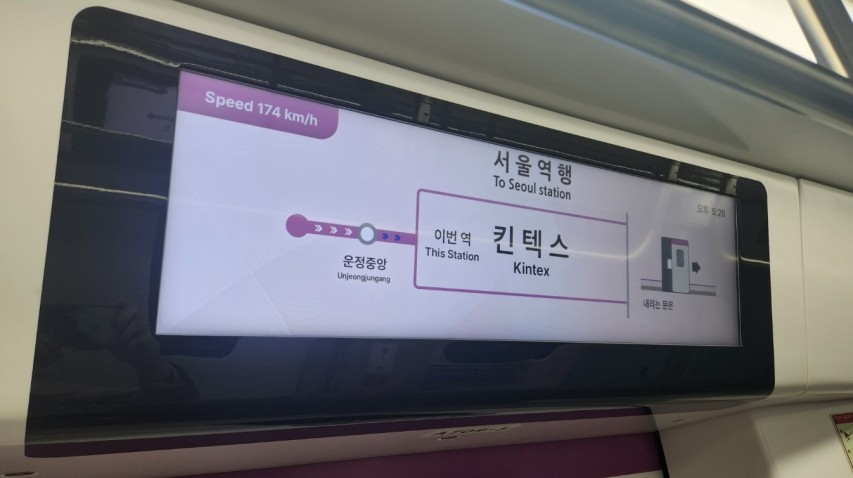
    • The Plan: Take the official paid shuttle bus from Goyang Stadium back to Kintex Station. From there, the GTX-A will whisk you away to Seoul Station in under 20 minutes.
    • Why it works: It bypasses the massive bottleneck at Daehwa Subway Station and avoids the surface-level traffic jams entirely.

    🚍 The Classic Route: Daehwa Station (Line 3 & Red Buses)

    Best for: Gangnam, Jongno, and Sinchon/Hongdae

    If your accommodation is along the Orange Line (Line 3), you’ll likely head to Daehwa Station.

    • Subway Line 3: Expect long queues just to enter the station. If you aren’t in a rush, grab a snack at a nearby convenience store and wait 30–40 minutes for the initial wave to pass.
    • Red Express Buses: Buses like the M7731 (to Hongdae/Hapjeong) or 1000 (to DMC/Seoul Station) depart near Daehwa Station. They are great if you manage to snag a seat, but they can get stuck in concert-related traffic.

    🚶 The “Secret” Escape: Gyeongui-Jungang Line

    Best for: Hongdae, Digital Media City (DMC), and Yongsan

    If the crowds at Daehwa Station look overwhelming, consider walking a bit further or taking a short local bus to Ilsan Station on the Gyeongui-Jungang Line.

    • The Advantage: This line is significantly less crowded than Line 3. It goes directly to major hubs like Hongik Univ. (Hongdae), DMC, and Yongsan, making it a much more “breathe-able” journey home.

    🚕 Koodeep’s Pro-Tips for Taxis

    Taxis will be in high demand, and traffic right in front of the stadium will be at a standstill. Do not try to catch a taxi directly in front of Goyang Stadium.

    1. Avoid the “Fixed Price” Scams: Some taxis waiting right outside the venue may try to offer a “flat rate” instead of using the meter. This is usually much more expensive. Avoid these.
    2. Walk First, Call Later: Walk 10–15 minutes toward Juyeop Station or Madu Station. Once you are away from the stadium’s immediate gridlock, use the KakaoTaxi app to call a ride. You’ll get a fair, metered price and a much faster pickup.
    3. The “Transfer” Strategy: If you can’t get a taxi all the way to Seoul, take a bus or subway a few stops out and then call a cab from these “Taxi Hubs”:
      • Jeongbalsan Station: Near the broadcasting stations; taxis are usually patrolling here.
      • Madu or Baekseok Stations: Established taxi stands are located near these exits.
      • Hwajeong Station: A busy commercial area where taxis are plentiful even late at night.
      • Kintex Station: A good spot to try if you are coming from the shuttle bus.

    Koodeep Summary: Your best bet is the GTX-A for speed or the Gyeongui-Jungang Line to avoid the crowds. If you must take a taxi, walk away from the stadium first!

    Travel safe, ARMY!
  • ARMY Survival Kit: What to Pack for the BTS Goyang Concert

    Getting ready for the BTS “Arirang” World Tour at Goyang Stadium? While your outfit is important, being prepared for the elements is what will truly make your concert experience “Dynamite.” Goyang Stadium is a largely open-air venue, and April in Korea can be unpredictable.

    Here is the ultimate checklist of what to bring to ensure you stay comfortable from soundcheck to the final encore.


    1. The “Open-Air” Weather Essentials

    Korea’s spring weather is famous for its wide temperature swings (Il-gyo-cha). While it might feel warm in the afternoon sun, the temperature drops rapidly once the sun sets.

    • Windbreaker or Light Padded Jacket: Goyang Stadium has very little roof coverage. To avoid shivering during the emotional ballads, bring a lightweight windbreaker or a packable down jacket that you can easily stuff into your bag.
    • Rain Poncho (A Must for Thursday!): Current forecasts for Thursday, April 9th, show rain. Umbrellas are usually restricted inside the stadium as they block the view, so a rain poncho is essential. You can easily pick one up at a nearby Daiso or any convenience store (CU, GS25, 7-Eleven) for a few thousand won.
    • Hot Drinks & Tumblers: To keep your body temperature up, grab a hot tea or coffee from a convenience store before heading in. If you have a tumbler, transfer your drink into it—it will stay warm much longer and is more eco-friendly!

    2. BTS-Specific Must-Haves

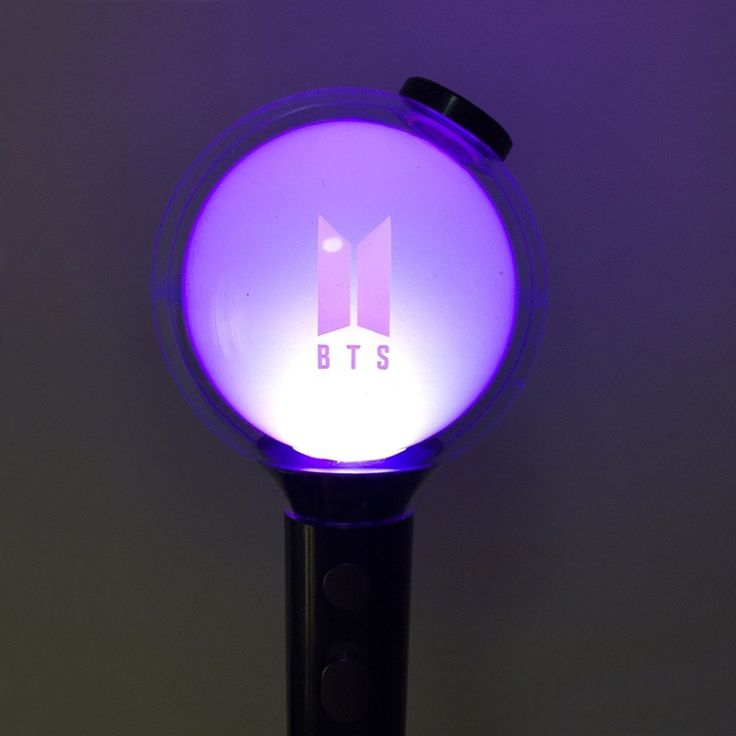
    • ARMY Bomb (Official Light Stick): It wouldn’t be a BTS concert without the ocean of lights. Make sure you have the latest version and bring extra AAA batteries. The light stick syncs with your seat via the app, which can drain the battery faster than you think.
    • Power Bank (Portable Charger): Between taking videos, using navigation apps, and syncing your light stick, your phone battery will die quickly. Bring a high-capacity portable charger so you aren’t stuck without a way to call a ride home.
    • Clear Bag: While policies vary, a clear bag makes security checks much faster. Keep it within the venue’s size limits to avoid being turned away at the gate.

    3. Comfort & Utility

    • Physical ID: Especially for international fans, your Passport or Alien Registration Card (ARC) is required for ticket verification. A photo on your phone is often not enough.
    • Small Snacks: Concerts are long! Pack some high-energy snacks like chocolate, energy bars, or candy to keep your blood sugar up during the high-energy choreography.
    • Comfortable Shoes: You will likely be standing for 3+ hours. Leave the high heels at the hotel and opt for your most supportive sneakers.

    📌 Koodeep’s Pro-Tip

    If you forget anything, don’t panic! Daiso and One Mount (right next to the stadium) are your best friends. Daiso has everything from ponchos and heat packs to portable cushions, while the convenience stores around Daehwa Station are well-stocked with snacks and warm drinks.

    Stay warm, stay dry, and get ready to make some history with BTS!

  • How to Get to the BTS “Arirang” World Tour: Goyang Stadium Guide

    The wait is finally over. BTS is returning as a full 7-member group to kick off their historic world tour right here in Goyang! With 40,000 fans expected per show (120,000 over three days), getting to the Goyang Sports Complex (Goyang Stadium) can be a challenge if you don’t have a plan.

    To make sure you don’t miss a single second of the “Arirang” era, here are the three best ways to reach the venue on concert day.


    🚀 Option 1. The “Golden Route”: GTX-A & Shuttle Bus

    Best for: Speed, comfort, and official MD shopping

    If you are coming from central Seoul, this is by far the fastest and most comfortable method. The newly opened GTX-A line connects Seoul Station to Kintex Station in just 16 minutes.

    • The Route: Take the GTX-A to Kintex Station. From there, hop on the official paid shuttle bus that runs directly to Goyang Stadium.
    • The Perk: Unlike other transport, this shuttle makes a special stop at Kintex Exhibition Center 2. This is where HYBE is hosting the Official MD (Merchandise) Store. You can arrive early, grab your “Arirang” tour t-shirts and lightsticks, and then head straight to the stadium.
    • Schedule: Shuttles run from 10:00 AM to 10:00 PM on concert days.

    🚍 Option 2. Direct Express Buses (Red Buses)

    Best for: Those staying in Hongdae, Sinchon, or Sangam

    If your accommodation is in western Seoul, the express “Red Buses” are incredibly convenient and often less cramped than the subway.

    • From Hongdae / Sinchon / Hapjeong: Look for the M7731 bus. It takes you directly to Daehwa Station (the stadium stop) with very few stops in between.
    • From DMC (Digital Media City): Take the 1000 bus. It’s a frequent, reliable line that drops you at Daehwa Station (the stadium stop).
    • Why choose this? These buses have a short dispatch interval, meaning you won’t be waiting long at the bus stop.

    🚇 Option 3. The Subway (Line 3 or Gyeongui-Jungang)

    Best for: Budget travelers and those familiar with the Seoul Metro

    The subway is the most common way to travel, but be prepared for heavy crowds of fellow ARMYs!

    • Line 3 (Orange Line): Take the train to the final stop, Daehwa Station. From Exit 3 or 4, it’s a short walk to the stadium. Warning: This line will be extremely crowded right before the show.
    • The “Secret” Detour (Gyeongui-Jungang Line): If you want to avoid the suffocating crowds of Line 3, take the Gyeongui-Jungang Line to Ilsan Station. From there, you can take a quick 15-minute ride on a local “Maeul” bus (like #056) to the stadium. It’s a bit more “local style,” but much breathe-able!

    📌 Koodeep’s Summary & Pro-Tips

    • Avoid Taxis: We strongly advise against taking a taxi or driving. The roads around Goyang Stadium will likely be in a total gridlock. Public transport is much more reliable.
    • T-Money is Key: Ensure your T-Money card is topped up with at least 10,000–20,000 KRW in advance so you don’t get stuck in line at the charging machines.
    • Follow the Purple: Goyang City is working closely with police and fire departments to ensure safety. Follow the staff directions and look for the purple signs!

    See you at the stadium!

  • Making the Most of Your BTS Weekend: 6 Must-Visit Spots in Goyang

    If you’re heading to Goyang Stadium this April 9th–12th for the BTS concert, you’re likely wondering what else there is to do in the area.

    Goyang (and its central district, Ilsan) is famously known as a “bed town”—a peaceful residential suburb of Seoul. While it might not be the first place on a typical tourist’s itinerary, it is actually a hidden gem for leisure. If you have a day to spare before or after the concert, there are plenty of spots nearby that offer a perfect blend of relaxation, entertainment, and local flavor.

    Here are six spots in Goyang to check out while you’re in town for the show!


    1. Goyang One Mount Water Park

    Best for: A splash of fun and Korean-style relaxation

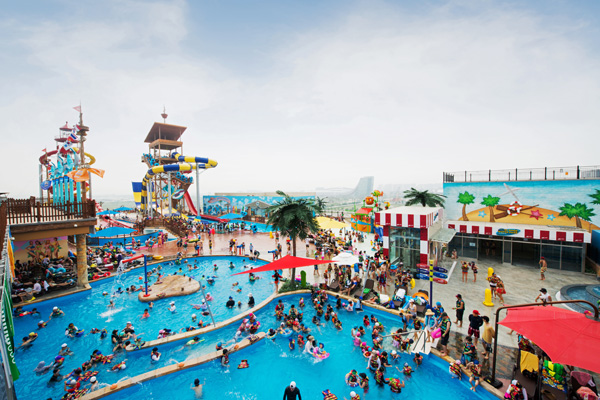
    Located just a 15-minute walk from Goyang Stadium, One Mount is incredibly convenient for concert-goers. It’s a massive complex featuring a rooftop outdoor pool with exotic vibes and a spacious indoor zone, making it a “four-season” destination regardless of the weather. If you want a true “K-experience,” head to the Jjimjilbang (Korean sauna) within the complex to soak your muscles and prep for a night of dancing.

    2. Hyundai Motorstudio Goyang

    Best for: Tech enthusiasts and car lovers

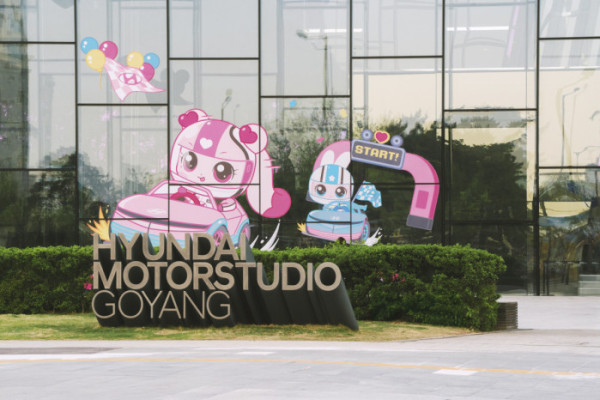
    Only a 10-minute walk from the stadium, this is Korea’s largest automotive theme park. You can explore the permanent exhibition for under 10,000 KRW, which takes you through the fascinating journey of how a car is built using high-tech robotics. Don’t miss the 4D Ride, a high-octane simulator where you can experience the thrill of a world-class rally race through futuristic special effects.

    3. Sambangga Strawberry Land

    Best for: Foodies and “Strawberry Lovers” Korean strawberries are world-famous for being incredibly sweet and juicy, and this 800-pyeong eco-friendly farm uses modern hydroponics to ensure they are clean and easy to pick. You can enjoy hands-on activities like making your own strawberry jam or even strawberry chocolate. If you’re a fan of fresh fruit, picking up a jar of their artisanal, handmade jam is the perfect way to take the taste of Korea home with you.

    4. Aqua Planet Ilsan

    Best for: A peaceful escape into the deep blue

    Another spot within a 15-minute walk of the stadium, Aqua Planet is a unique “hybrid” aquarium that houses not just marine life, but also jungle animals like lemurs and birds. It features over 300 species, including sand tiger sharks and playful seals, spread across massive themed zones like “Ocean Life” and “Aqua Forest.” It’s a great place to spend a few quiet hours wandering through underwater tunnels—a calm “zen” moment before the high energy of the BTS crowd.

    5. Ilsan Lake Park

    Best for: Stunning photos and spring vibes

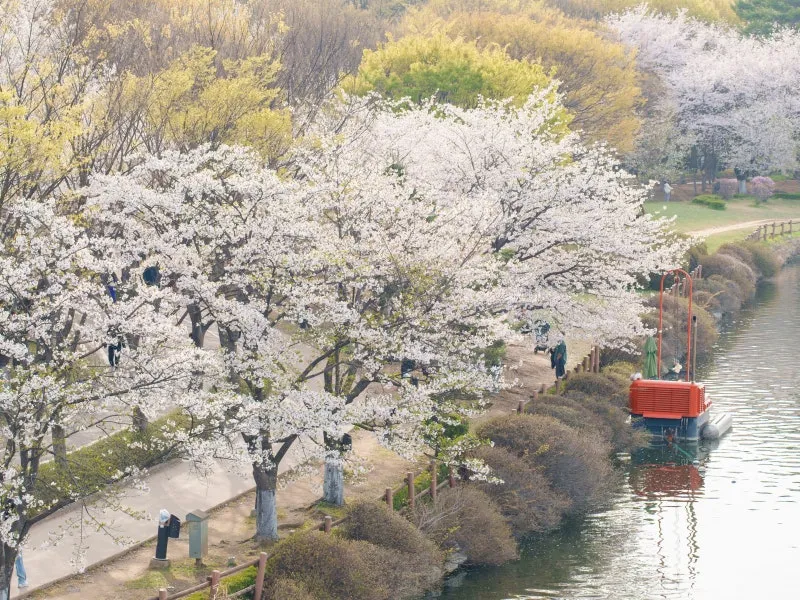
    Ilsan Lake Park is one of the largest man-made parks in Asia and a pride of the city, offering a peaceful 4.7km trail perfect for a morning stroll. Since the concert falls in mid-April, you are arriving at the absolute peak of Cherry Blossom season.

    The “Weeping Cherry Blossoms” near the shore create a pink canopy over the water, making it the ultimate spot for a pre-concert picnic or a photoshoot in your favorite concert outfit.

    6. Starfield Goyang

    Best for: All-in-one shopping and entertainment

    If you want to experience everything in one place, Starfield is your destination. This massive “shopping theme park” houses everything from global fashion brands to a specialized “Gourmet Street” featuring famous restaurants from across Korea. You can even visit Aquafield—an upscale spa and water park known for its luxurious infinity pool and themed saunas—making it the best place to handle your “wishlist” shopping and relaxation all under one roof.


    Koodeep Tip: Since thousands of ARMYs will be descending on Goyang, we recommend booking any experience tickets (like the Motorstudio or Water Park) in advance to ensure you get a spot! Enjoy the concert!

  • Traveling Korea During Seollal (Lunar New Year): What Visitors Should Know

    If you are planning to visit Korea during the Lunar New Year holiday — known as Seollal — a bit of preparation goes a long way. In 2026, the Seollal holiday period runs from February 16 (Mon) to February 18 (Wed). While it can be a fascinating cultural time to visit, travelers may also run into unexpected challenges such as heavy traffic, sold-out train tickets, and shortened business hours. With the right expectations and planning, you can turn this period into a unique and enjoyable travel experience.


    1. Long-Distance Transportation Gets Extremely Busy

    Seollal is one of the biggest family holidays in Korea. Millions of people travel from Seoul and other big cities back to their hometowns.

    Early holiday period (Feb 14–16): outbound rush

    • Trains and express buses from Seoul to regional cities sell out quickly
    • Highways leaving Seoul often experience severe congestion
    • Last-minute tickets are very difficult to secure
    • Travel times by car can double or triple

    Holiday peak & return period (Feb 17–18): inbound rush

    • Return tickets back to Seoul are hardest to get
    • Express bus terminals and train stations become crowded
    • Highways toward Seoul are heavily congested

    If you plan intercity travel during these dates, book KTX and bus tickets as early as possible. Flexible timing (very early morning or late night departures) increases your chances.


    2. Some Stores and Restaurants Close (or Shorten Hours)

    During Seollal, many family-run businesses close, especially:

    • Small restaurants
    • Traditional markets
    • Independent shops
    • Local clinics and service businesses

    Large chains behave differently:

    • Big supermarkets may close on the main holiday day
    • Department stores sometimes close one day
    • Franchise cafés and restaurants often remain open but with reduced hours
    • Convenience stores almost always stay open

    Tourist-heavy areas usually retain more operating businesses, but opening hours can still be shorter than usual. Checking same-day hours on map apps before visiting saves time.


    3. Tourist Sites and Palaces: Mixed Schedules

    Major attractions often remain open, but with adjustments:

    • Some museums close on the main Seollal day
    • Royal palaces and heritage sites may open but with holiday hours
    • Special cultural events and traditional performances sometimes take place

    This can actually be a bonus — you may get to see holiday folk games, traditional clothing, and seasonal foods that are not available at other times.


    4. A Big Advantage: Seoul Becomes Noticeably Quieter

    One hidden upside: Seoul gets less crowded.

    Because many residents leave the city to visit family:

    • Streets are calmer
    • Subways are less packed
    • Popular neighborhoods feel more relaxed
    • Café hopping and city walks become more pleasant

    For photographers and slow travelers, this is one of the best times to experience a more peaceful version of Seoul.


    5. Food Planning Matters More Than Usual

    Since some restaurants close, it helps to plan meals:

    • Keep a list of backup restaurants
    • Use convenience stores and food courts if needed
    • Hotel restaurants usually operate normally
    • Delivery apps still run in major cities (though selection may shrink)

    All-you-can-eat chains, franchise eateries, and mall restaurants are your most reliable options during the holiday window.


    6. Extra Practical Tips for Seollal Travelers

    A few smart moves make holiday travel smoother:

    • Book intercity transport early
    • Reserve hotels near train or bus terminals if moving cities
    • Carry some cash — smaller places may be closed but kiosks still operate
    • Expect family crowds at parks and cultural sites
    • Try holiday foods if you see them — seasonal items appear briefly
    • Allow buffer time for every long trip

    7. The Cultural Side: Why It’s Still Worth It

    Seollal is when Korean traditions are most visible — family gatherings, ritual foods, traditional games, and hanbok clothing. Even with closures and traffic, you gain a rare window into how the country actually celebrates its most important holiday.

    With smart scheduling and flexible plans, traveling Korea during Seollal can feel less like a disruption and more like privileged access to real seasonal culture.

  • Using a One-Day Pass at a Korean Gym: What Travelers Should Know Before You Go

    If you’re visiting Korea and want to keep up your workout routine, using a gym one-day pass (1일권) can be a practical option. Whether you’re staying short-term, traveling between cities, or simply don’t want a long membership, many Korean gyms allow walk-in access for a daily fee. Still, there are a few local customs and practical details worth knowing before you step inside.


    1. Typical Price Range for One-Day Passes

    In most private gyms across Korea, a one-day pass usually costs 10,000 to 30,000 KRW. The price depends on location, facility quality, and included amenities. Gyms in central Seoul or newer boutique fitness centers tend to be on the higher end, while neighborhood gyms are often more affordable.

    If you’re looking for a budget option, public sports centers operated by city or district governments can be a great choice. These facilities often charge under 10,000 KRW for daily access and still offer solid equipment and clean facilities. They may feel more local and less commercial, which can be part of the cultural experience.


    2. Walk-In Access Is Common

    One convenient aspect of Korean gyms is that many allow walk-in entry without a reservation, especially for one-day passes. You typically pay at the front desk, show your ID, and receive a locker key. Some gyms may ask you to fill out a simple health questionnaire or waiver form.

    Still, during peak hours—usually weekday evenings—it’s wise to call ahead if you want to be certain there’s space, particularly in smaller gyms.


    3. Indoor Shoes Are Often Required

    One detail that surprises many visitors is that Korean gyms often require separate indoor sneakers. Wearing the same shoes you walked in with may not be allowed, as gyms aim to keep floors clean. Bringing lightweight workout shoes in your bag is a good habit when visiting Korean fitness facilities.


    4. Towel and Locker Policies Can Differ

    Unlike some countries where towels are freely provided, Korean gyms vary in their policies. Some offer small towels at no extra cost, while others may charge a small rental fee or expect you to bring your own. Lockers are usually included with a day pass, but sizes can be compact, so packing light helps.


    5. Gym Etiquette You’ll Notice

    Korean gym culture places strong emphasis on consideration for others. After using machines, wiping them down is common courtesy. Loud conversations or phone calls are generally avoided. Many people also spend time stretching before and after workouts, sometimes longer than expected, especially older members.

    You may also notice that personal trainers are quite active on the gym floor, offering guidance to their clients. Even if you’re just visiting for a day, staff are often willing to briefly explain how equipment works if you ask politely.


    6. Shower Facilities Are Usually Available

    Most Korean gyms include locker rooms with showers, which makes it easy to freshen up after a workout. Bringing simple toiletries—like a small towel, flip-flops, or personal shampoo—can make the experience more comfortable, especially in public sports centers where amenities are more basic.


    Final Thoughts

    Using a one-day gym pass in Korea is straightforward, flexible, and accessible for visitors. With reasonable prices, walk-in convenience, and clean facilities, it’s easy to maintain your routine while traveling. Knowing a few local customs—like bringing indoor shoes and understanding towel policies—helps you blend in smoothly and enjoy the experience without surprises.

  • Free BTS Performance at Gwanghwamun on March 21 — What to Know & Where to Stay If Hotels Are Sold Out

    As BTS return with their new album Arirang on March 20, excitement has reached a level rarely seen in Seoul. The very next day, March 21, the group will hold a free outdoor performance at Gwanghwamun Square—and fans from around the world are already planning trips around it. City estimates suggest up to 200,000 people could gather for a plaza designed to hold far fewer, and hotel prices around Gwanghwamun have surged dramatically, with budget rooms jumping several times their usual rates and many top hotels already fully booked.

    Gwanghwammun Square is already preparing foro March 21 concert.

    If you’re hoping to experience the atmosphere—even without guaranteed sightlines—this free show is still one of the most special moments of the entire tour. And if staying right by Gwanghwamun is no longer realistic, there are smart, well-connected neighborhoods that make excellent alternatives.


    1. Euljiro 4-ga — Central, Connected, and Practical

    Euljiro 4-ga sits just east of Gwanghwamun in the heart of downtown Seoul, making it one of the most convenient backup options. The area offers excellent access to central Seoul and connects directly to Gwanghwamun Station via Subway Line 5, keeping travel simple even on a crowded concert day. Hotels here are often more available than in the immediate Gwanghwamun zone, and the neighborhood blends historic streets with newer cafés and restaurants—ideal if you want to stay central without paying peak prices.


    2. Magok — New, Calm, and Surprisingly Convenient

    If central hotels are completely sold out, Magok is a strong alternative that many international visitors overlook. This newer district has modern, good-quality hotels at relatively reasonable prices, even during major events. Magok is also on Subway Line 5, which runs straight to the Gwanghwamun area, so you won’t need transfers. Compared to downtown, Magok is less crowded and quieter, making it easier to rest after a long day. It’s also close to Gimpo Airport, which is useful if you’re arriving late or leaving soon after the event.


    3. Dongdaemun — Shopping, Sights, and Easy Access

    The Dongdaemun area is another practical choice, especially if you want to combine the concert with sightseeing and shopping. With landmarks like DDP (Dongdaemun Design Plaza) and the Dongdaemun Fashion Town, there’s plenty to explore day and night. From here, Subway Line 1 takes you to Jonggak Station, putting you within walking distance of Gwanghwamun Square. Accommodation options are plentiful, and availability tends to be better than in the immediate concert zone.


    A Free Concert That Turns Seoul Into a Festival

    Gwanghwamun is usually a business-focused district that quiets down on weekends—but March 21 will be different. Cafés, restaurants, and shops are preparing for an unprecedented surge of visitors, and the entire area is expected to feel more like a city-wide festival than a single performance. Even if nearby hotels are fully booked, staying just a few subway stops away still lets you be part of this historic moment—without overpaying for a room.

    For fans planning their Seoul trip around the free Gwanghwamun show, flexibility on where you stay can make all the difference. The music may last one night, but the memories will travel much farther.

  • Winter Hot Spring Getaways in Korea: Three Classic Destinations to Warm Up Your Trip

    Winter travel in Korea isn’t only about snow, food, and city lights. There’s another, quieter pleasure that locals have enjoyed for centuries: hot spring travel. As temperatures drop, soaking in naturally heated mineral water becomes one of the most satisfying ways to relax, recover from travel fatigue, and experience a deeper layer of Korean history and culture.

    If you’re visiting Korea in winter, these three hot spring towns are especially worth considering.


    1. Onyang Hot Spring (온양온천), Asan

    Korea’s oldest recorded hot spring with royal history

    Onyang Hot Spring in Asan is widely recognized as the oldest hot spring in Korea, with records dating back more than 1,300 years to the Three Kingdoms period. It later became a royal hot spring reserved for the Joseon Dynasty, used by kings and royal family members. The water here is sulfur-rich, traditionally believed to help with skin conditions, fatigue recovery, and circulation.

    One of Onyang’s biggest strengths is accessibility. You can reach Onyang Oncheon Station directly via Seoul Metropolitan Subway Line 1, making it one of the easiest hot spring trips from Seoul. Intercity buses from Seoul also arrive at Asan Bus Terminal, from which the hot spring area is just a short ride away. Thanks to this convenience, Onyang is ideal for a relaxed overnight stay or even a slow-paced day trip.


    2. Suanbo Hot Spring (수안보온천), Chungju

    Naturally hot water and a classic winter pairing: pheasant cuisine

    Suanbo Hot Spring has been used since the Goryeo Dynasty and is known for its exceptionally high water temperature. The natural spring water emerges at around 50°C, and even in the depths of winter, bath temperatures often stay above 40°C, making it especially appealing during cold weather.

    Beyond soaking, Suanbo is also famous for pheasant dishes, a local specialty traditionally enjoyed after a hot spring bath. The combination of mineral-rich water and hearty regional cuisine makes this destination feel distinctly seasonal and local.

    Transportation has become much easier with the opening of Suanbo Oncheon Station on the Jungbu Naeryuk Line. From Pangyo Station, you can reach the area by KTX in roughly 1 hour and 30 minutes, making it a realistic winter getaway even for travelers based in the Seoul metropolitan area.


    3. Bugok Hot Spring (부곡온천), Changnyeong

    A legendary hot spring town rediscovering its charm

    Bugok Hot Spring, located in Changnyeong, Gyeongsangnam-do, was developed in the 1970s and quickly became one of the most famous hot spring destinations in Korea. At its peak, it symbolized large-scale resort-style hot spring tourism. While its popularity later declined, Bugok has been steadily regaining attention in recent years through family baths and private soaking options, making it appealing again for modern travelers.

    Bugok’s location makes it particularly convenient for travelers from Daegu, Busan, and other southern regions. You can reach the area by getting off at Changnyeong Intercity Bus Terminal and taking a taxi for about 20 minutes, or by arriving directly at Bugok Intercity Bus Terminal. It’s a great choice if you want a quieter, less tourist-heavy hot spring experience outside the Seoul area.


    Why Hot Springs Belong in a Korean Winter Itinerary

    Hot spring travel in Korea blends history, nature, and everyday wellness in a way that feels both traditional and practical. Whether it’s a royal sulfur bath in Onyang, naturally hot waters and local food in Suanbo, or the nostalgic revival of Bugok, these destinations show how Koreans have long embraced winter not by avoiding the cold, but by soaking right through it.

  • Warm Comfort Foods You’ll Find in Korean Convenience Stores During Winter

    Korean winters can be brutally cold, especially when icy winds cut through city streets. But one thing that makes winter in Korea more bearable—and surprisingly enjoyable—is the convenience store on every corner. Step inside for just a few minutes, and you’ll quickly warm up.

    More than that, Korean convenience stores offer seasonal hot foods and drinks that give you a small but very real taste of everyday Korean culture. When you need a break from the cold, these winter staples are where many locals instinctively turn.


    1. Hobbang (호빵): The Ultimate Korean Winter Snack

    Hobbang is a soft, steamed bun that appears in convenience stores only during the colder months, making it a true symbol of Korean winter. You’ll usually find them kept warm in a steamer near the counter, ready to grab and eat on the go.

    The classic version is filled with sweet red bean paste, but modern varieties include custard, pizza-style fillings, and even spicy options. Warm, fluffy, and slightly sweet, hobbang is perfect when your hands are frozen and you want something comforting without sitting down for a full meal. For many Koreans, the smell of hobbang alone signals that winter has officially arrived.


    2. Roasted Sweet Potatoes (군고구마): Simple, Sweet, and Nostalgic

    Roasted sweet potatoes—gun-goguma—are another winter favorite you can often find in Korean convenience stores. Stored in heated ovens near the entrance, these sweet potatoes are naturally caramelized, soft inside, and surprisingly filling.

    They’re especially popular because they feel both healthy and nostalgic. Many Koreans associate roasted sweet potatoes with childhood winters, street vendors, and long walks home in the cold. For travelers, it’s an easy way to try a very Korean winter flavor without any language barrier: just point, pay, and enjoy.


    3. Warm Bottled Drinks: Korean-Style Winter Beverages

    Near the cashier, you’ll often see heated shelves filled with bottled drinks—something that surprises many first-time visitors. These aren’t just teas; they’re traditional-style beverages adapted for modern convenience stores.

    Popular options include ginseng tea, honey citron tea, ginger tea, and simple honey water. They’re mildly sweet, soothing, and designed to warm you from the inside out. Locals often grab one on their commute or while walking outside, treating it almost like a portable hand warmer you can drink.


    Why Convenience Stores Matter in a Korean Winter

    In Korea, convenience stores aren’t just places to buy snacks—they’re small shelters from the cold and windows into everyday life. The warm foods you find there aren’t flashy or touristy, but they reflect how people actually get through winter: quickly, practically, and with a little comfort.

    If you’re traveling in Korea during winter, stepping into a convenience store for hobang, roasted sweet potatoes, or a hot bottled drink isn’t just about staying warm—it’s about experiencing winter the Korean way.

  • All-You-Can-Eat Restaurants in Korea: Eat More, Worry Less While Traveling

    When you travel to Korea, you probably want to try everything—K-BBQ, tteokbokki, fried snacks, sushi, desserts—but time and budget can quickly become real constraints. This is where Korea’s all-you-can-eat (무한리필) restaurants become a smart option. For a fixed price, you can explore multiple dishes in one place, eat at your own pace, and avoid the stress of choosing “just one” menu item. For travelers, it’s efficient, filling, and surprisingly fun.


    1. Myeongryun Jinsa Galbi (명륜진사갈비): A Gateway to K-BBQ Culture

    If you want to experience Korean pork BBQ in a casual, beginner-friendly setting, Myeongryun Jinsa Galbi is one of the most popular choices. This franchise focuses on pork BBQ, especially marinated pork ribs(or Galbi), which are sweet, smoky, and very approachable even if you’re new to Korean food.

    For around 20,000 KRW per person, you get unlimited access to marinated ribs, pork belly, spicy chicken, and other grilled meats. What makes it especially travel-friendly is the variety beyond meat: tteokbokki, simple bread items, and side dishes are also available. It’s a great place to understand how Korean BBQ works—grilling at your table, sharing food, and eating slowly—without worrying about ordering the “wrong” cut of meat.


    2. Dookki Tteokbokki (두끼 떡볶이): Build-Your-Own Korean Street Food

    Tteokbokki is one of the most iconic Korean foods, often seen in K-dramas and variety shows, and Dookki turns it into an interactive experience. Instead of ordering a finished dish, you create your own instant tteokbokki by choosing different rice cakes, noodles, vegetables, fish cakes, and sauces.

    You’ll also find fried snacks like sweet potato tempura and vegetable fritters, which you can dip into your sauce or eat separately. For travelers curious about Korean bunsik (snack food culture), this is an easy and fun introduction. The biggest advantage is the price: usually around 10,000–15,000 KRW per person, making it one of the most budget-friendly all-you-can-eat options in Korea.


    3. QooQoo (쿠우쿠우): A Korean-Style Sushi Buffet Experience

    Many people associate sushi strictly with Japan, but Korea has developed its own wide variety of sushi and rolls, often adapted to local tastes. QooQoo is a franchise where you can explore this side of Korean food culture in buffet form.

    Prices usually range from 20,000 to 30,000 KRW per person, and in return you get access to assorted sushi, rolls, and seafood, along with much more. QooQoo functions as a comprehensive buffet: pizza, pasta, salads, fried foods, and desserts are all part of the lineup. If you’re traveling with people who have different food preferences, or if you simply want one very full meal after a long day, it’s an easy and satisfying choice.


    Why All-You-Can-Eat Works So Well for Travelers in Korea

    Korean all-you-can-eat restaurants aren’t just about quantity—they’re about variety and accessibility. You don’t need advanced Korean language skills to order, you don’t need to understand complex menus, and you can try unfamiliar foods without committing to a single dish.

    If your trip is short but your curiosity is big, these restaurants let you taste more of Korea in less time—one plate at a time.