Category: Traveling deep in Korea

  • Do Koreans Still Eat Dogs? Understanding the Past, Present, and Future of Dog Meat in Korea

    “Do Koreans still eat dogs?”
    This question appears often online, and the answer requires context. Yes — dog meat existed historically in Korea, but modern Korean society has changed dramatically. Today, dog consumption has declined sharply, especially among younger generations, and new laws are rapidly bringing the practice to an official end.

    To understand how we got here, it’s helpful to look at three phases: the past, the social changes since the 1980s, and what is happening now with Korea’s dog-meat ban.


    1. Why did dog-eating become part of Korean culture in the past?

    Historically, Korea was an agricultural society that experienced frequent food shortages. Meat was not always easy to access, and refrigeration technology did not exist.

    In this context, dog meat became:

    • A supplementary protein source during scarce seasons
    • A dish associated with strength, stamina, and “restoring energy” especially during hot and humid summer seasons
    • A product raised locally in rural areas

    Unlike in some Western cultures, dogs historically had different roles — working animals, guards, and livestock — and not only as household companions.

    So yes, in earlier decades, dog meat existed as part of daily survival culture in certain regions, particularly among older male communities.


    2. After the 1980s, everything changed: food abundance and the rise of pets

    From the 1980s onward, Korea underwent rapid economic growth. At the same time, society changed in three fundamental ways.

    First, other meats became widely available — pork, chicken, and beef became affordable everyday foods. There was simply no practical need for dog meat anymore.

    Second, urbanization shifted social life. More people lived in apartments, fewer lived on farms, and dogs increasingly moved indoors — as companions, not livestock.

    Third, pet culture spread quickly. Veterinarians, pet cafés, grooming shops, and adoption awareness grew. Young people now speak of dogs as “family members.”

    As a result, consumption declined steadily. Surveys consistently show:

    • Younger Koreans rarely — or never — eat dog meat
    • Many view it as outdated, uncomfortable, or ethically unacceptable

    In modern Korea, especially among people in their 20s and 30s, dogs are overwhelmingly seen as pets, companions, and emotional partners — not food.

    In Seoul, dedicated dog parks and pet-friendly spaces are becoming common — a sign that companion-animal culture has truly taken root in modern Korea.

    3. The dog-meat ban: how fast the industry is disappearing today

    The final phase is happening right now.

    Korea enacted the Special Act on Ending Dog Meat Consumption (“개식용종식법”), designed to phase out breeding, slaughter, and distribution of dogs for food. Since the law began, closures have accelerated far faster than expected.

    According to government data:

    • Since implementation, 78% of dog-breeding farms have already closed by the end of 2025
    • Over 390,000 dogs formerly raised for meat are no longer in farms
    • Farms originally scheduled to close in 2026–2027 shut down early because of incentives and shifting public attitudes

    The government is:

    • Providing compensation and transition loans
    • Helping farmers move to other livestock businesses
    • Preventing farms from restarting operations

    If current trends continue, authorities expect complete termination by February 2027 — ahead of schedule.

    In short: the industry is vanishing rapidly, not expanding.


    Final answer: So… do Koreans still eat dogs?

    Here is the clearest way to summarize:

    • Historically: yes, dog meat existed, influenced by scarcity and tradition.
    • Since the 1980s: consumption declined sharply as Korea modernized, pet culture spread, and alternative foods became common.
    • Today: the practice is nearly gone, especially among younger generations, and new laws are actively bringing it to a rapid end.

    Most Koreans — especially younger people — now see dogs as companions, family members, and pets, not food. The remaining businesses tied to dog meat are closing, supported by transition programs and driven by changing social values.

    So, when someone asks, “Do Koreans still eat dogs?” the honest answer is:

    Korea once had a dog-eating tradition, but modern Korean society has largely moved past it — and the practice is now disappearing for good.

  • K-Body Scrub: Why Koreans Love Ttaemili and Where Travelers Can Try It

    K-pop and Korean dramas have already taken the world by storm — but lately, another everyday ritual has quietly entered the spotlight: ttaemili, the Korean tradition of body scrubbing. Pop culture helped push it into view.

    In K-Pop Demon Hunters, the K Pop group Huntrix relaxes inside a Korean jjimjilbang, soaking in hot baths and experiencing a professional scrub. For many viewers, it was their first introduction to public bath culture in Korea — and to a scrubbing ritual that looks intense, yet strangely refreshing.

    Ttaemili is more than a spa treatment. For many Koreans, it is about cleansing deeply, relaxing fully, and symbolically wiping away fatigue — even “scrubbing off the old year” around New Year’s Day. If you are curious about how it works and where you can try it, this guide walks you through everything.


    1. What exactly is ttaemili?

    Ttaemili refers to the deep exfoliating scrub, often performed by a trained professional called a sesin-sa (세신사).

    You first soak in warm baths or saunas so your skin softens. Then the sesin-sa uses a rough textured towel to scrub your entire body. Layers of dead skin roll off, leaving the skin smooth, light, and incredibly clean.

    It can feel strong — but most people say the result is worth it.


    2. Where can travelers experience ttaemili?

    You don’t need a luxury spa. In Korea, ttaemili is part of everyday life, and you can find it in:

    • Public bathhouses (목욕탕)
    • Jjimjilbangs (찜질방) — large bath and sauna complexes
    • Private one-person scrub shops, many designed with foreign visitors in mind

    Almost every bath facility has a scrubbing section with professional sesin-sa (세신사), typically women for women and men for men. The service usually costs around 30,000–60,000 KRW, depending on location and what is included (body scrub only, or body plus light massage, etc.).

    Compared with Western spa exfoliation treatments, it is surprisingly affordable — and much more traditional.

    Because demand from foreign visitors has surged, some hotels now even offer scrub packages.


    3. Helpful Korean phrases to use

    You can manage with English in most places, but a few Korean phrases make everything easier — and friendlier.

    • “때 밀고 싶어요.” (ttae mil-go si-peo-yo)
      I would like to get a body scrub.
    • “덜 아프게 해주세요.” (deol a-peu-ge hae-ju-se-yo)
      Please do it more gently.
    • “세게 해주세요.” (se-ge hae-ju-se-yo)
      Please do it stronger.
    • “얼마예요?” (eol-ma-ye-yo)
      How much is it?

    Even saying one sentence in Korean usually brings a smile — and helps you get exactly the kind of scrub you want.


    4. The famous ttaemili towel

    If you’d rather try self-scrubbing, Koreans use a special towel called 때수건 (ttaemili towel). It is rougher than normal cloth, which is why it works so well after a long soak.

    You can buy it easily:

    • Daiso (the popular discount store found everywhere)
    • Traditional markets
    • Household goods shops and some convenience stores

    They are cheap, and many tourists buy multiple towels as gifts because they feel “so uniquely Korean” with their vivid colors.


    5. What does ttaemili mean to Koreans?

    Beyond exfoliation, ttaemili is tied to family memories and care. Parents scrubbed children, grandparents scrubbed grandchildren — the bathhouse was a place to talk, relax, and bond.

    There is also symbolism. Many families still visit the bathhouse around January 1st to scrub themselves clean, as if removing the past year and welcoming the new one with a refreshed body and spirit.

    Ttaemili is everyday, practical — and quietly meaningful.


    6. A rising global trend

    With dramas, films, and social media showing jjimjilbang scenes, curiosity exploded. Shops report foreign travelers buying dozens of towels at once. Hotels and boutique scrub studios are adding specialized scrub programs because most of their customers are now international.

    What used to be an ordinary weekend ritual is now joining K-food and K-beauty as another global curiosity: K-scrub.


    7. Is ttaemili right for everyone?

    If your skin is extremely sensitive or you have medical conditions, ask first or choose a very gentle scrub. Otherwise, most visitors simply adjust the pressure — lighter or stronger — and enjoy the feeling of deep cleansing.

    The rule is simple: soak long enough, relax, and let the sesin-sa do their job.


    Final thoughts

    Ttaemili may look unusual at first, but it reveals something beautiful about Korean culture: care, renewal, and the comfort of shared rituals. Whether you experience it in a neighborhood bathhouse, a jjimjilbang, or a dedicated scrub studio, it offers one of the most authentic ways to experience daily life in Korea.

  • KORAIL PASS PLUS vs. Climate Companion Card: Which One Should Travelers Choose?

    Korea has introduced a new foreign-visitor rail product called KORAIL PASS PLUS. It combines unlimited long-distance train travel with the convenience of a rechargeable transit card you can tap on subways, buses, taxis, and even at convenience stores.

    At the same time, travelers hear a lot about Seoul’s Climate Card, which offers unlimited local transportation inside the city. So which one should you choose? And when does the rail pass truly become cheaper than simply buying KTX tickets as you go?


    1. What is KORAIL PASS PLUS?

    KORAIL PASS PLUS merges two products into one physical IC card:

    • Unlimited rides on KORAIL trains (including KTX) for 2–5 consecutive days
    • A prepaid transit card you can load and use on subways, buses, taxis, and selected shops

    You first buy the regular KORAIL Pass, then pay KRW 8,000 to upgrade to KORAIL PASS PLUS. Pick up the card at kiosks in airports or major KTX stations, load money, and start traveling.

    Adult prices for the rail portion:
    2-day: 131,000 KRW
    3-day: 186,000 KRW
    4-day: 234,000 KRW
    5-day: 275,000 KRW

    It also comes with a traditional taegeuk design, so many travelers keep it as a souvenir.


    2. Does it beat buying normal KTX tickets? Let’s calculate.

    Typical one-way KTX fares (approximate, adult, standard seat):

    • Seoul → Busan: ~59,000 KRW
    • Busan → Daegu (Dongdaegu Stn): ~18,000 KRW
    • Daegu → Gyeongju (Singyeongju Stn): ~13,000 KRW
    • Gyeongju → Seoul: ~47,000 KRW

    Total: about 137,000 KRW

    Compare that to the rail pass:

    • 3-day KORAIL Pass: 186,000 KRW
    • 4-day KORAIL Pass: 234,000 KRW
      (+ 8,000 KRW only if you want the PLUS transit-card upgrade)

    For this itinerary alone, ordinary KTX tickets are actually cheaper.

    So when does the pass start winning?


    3. When does KORAIL PASS PLUS become the better deal?

    Think in terms of total KTX rides, especially long-distance ones.

    For a 3-day trip

    If you expect 5 or more KTX rides, particularly with at least one long stretch like Seoul–Busan,
    KORAIL PASS PLUS can become financially competitive.

    For a 4-day trip

    If your plan involves 7 or more KTX rides,
    the 4-day version generally starts to outperform individual ticket purchases.

    In other words, the more cities you add — and the faster you move — the more the pass makes sense.


    4. Where does the Climate Card fit in?

    The Climate Card focuses on unlimited local transit in and around Seoul and metropolitan area:

    • Unlimited subway rides
    • Unlimited bus rides
    • Predictable daily transportation costs

    (If you want a deeper walkthrough of how the Climate Card works, how to buy it, and whether it’s worth it for short-term visitors, take a look at our detailed guide here: How to Use Seoul’s Climate Card (기후동행카드)as a Foreigner: A Practical Guide for Seoul tourists – Koodeep)

    If your itinerary is mostly palaces, neighborhoods, markets, museums, and cafe hopping inside Seoul, you will likely tap dozens of times per day. In that scenario, the Climate Card is extremely cost-effective.


    5. The honest downside of KORAIL PASS PLUS

    Owning the pass does not guarantee you a seat on every train you want.

    Popular segments — for example:

    • Saturday morning
    • Seoul → Busan
    • Peak travel seasons or holidays

    often sell out early.

    If you issue the pass and try to reserve seats right before departure, it may be difficult. For travelers who have strict schedules, this matters.

    KORAIL PASS PLUS is best when:

    • You have flexibility in departure times
    • You do not insist on peak-hour trains
    • You can travel more often on weekdays than weekends

    If your schedule is tight, sometimes booking a few key KTX tickets in advance (instead of relying only on the pass) is safer.

    You can buy KORAIL PASS PLUS at kiosks in convenience stores at airports or major train stations in Seoul.

    6. Simple decision guide

    Staying mostly in Seoul

    Choose Climate Card.
    Unlimited local rides usually give more value than a rail pass you barely use.

    Traveling across multiple cities quickly

    Choose KORAIL PASS PLUS.
    Unlimited KTX rides are the real advantage, and the card still works on city transit.

    Mixing Seoul sightseeing with only one or two KTX trips

    Consider buying regular KTX tickets + Climate Card.
    That combination can easily be cheaper.


    Final takeaway

    • 3-day itinerary: If you expect 5 or more KTX rides, KORAIL PASS PLUS starts to make sense.
    • 4-day itinerary: If you expect 7 or more KTX rides, the rail pass often becomes the more economical option.

    But if your trip revolves mainly around exploring Seoul’s neighborhoods and attractions, the Climate Card quietly wins by keeping public transportation unlimited and simple.

    Plan your route first, count your inter-city rides, and then choose. That small step often makes the difference between overspending and traveling smarter — which is exactly what Koodeep aims to help with.

  • Hwacheon Sancheoneo Ice Festival 2026 — Korea’s Winter Playground on a Frozen River

    If you’ve ever wondered what winter in Korea really feels like — not just from city streets but out on a frozen river, surrounded by laughter, bright lights, and steaming grilled fish — the Hwacheon Sancheoneo Ice Festival is where it all comes together. Held every January in Gangwon Province, this festival turns bitter cold into pure fun. Instead of hiding indoors, people bundle up, step onto the ice, and discover how winter becomes a celebration here.

    Below is a traveler-friendly guide to what you can expect — and how to make the most of it.


    1. Festival overview — when, where, and why it’s special
    Every winter, the clear river running through Hwacheon freezes thick enough to become a giant outdoor playground. In 2026, the festival runs from January 10 to February 1, spreading across the Hwacheoncheon river area. The clean water, heavy snow, and naturally cold climate create conditions perfect for ice activities. What makes this festival special is its hands-on nature: instead of just watching performances, you’re encouraged to participate — drill, fish, slide, explore, and eat.
    Traveler tip: Hwacheon is colder than Seoul. Bring thermal socks, hand warmers, and waterproof boots. Arrive early in the morning for lighter crowds and better photos.


    2. Ice fishing — the signature experience (and lunch!)
    Visitors drill small holes into the frozen river and try to catch sancheoneo (mountain trout) swimming below. The anticipation is half the fun — fingers numb from the cold, everyone cheering when a fish finally jumps out of the water. You can participate through on-site registration or pre-booked programs, and it’s suitable for both adults and children. Even better, the fish you catch can be grilled, fried, or made into sashimi right on site.
    Traveler tip: Gloves with good grip help. Ask whether your ticket includes fishing gear rental. If you catch fish, head to the nearby grilling booths — they’ll handle the rest.


    3. More than fishing — sleds, slides, ice sports, and pure winter energy
    All across the festival grounds, activity zones turn the ice into a playground. Kids and adults jump onto traditional sleds, snow tubing hills, ice soccer fields, ice bobsled tracks, and even giant slides like the “Ice Bear Castle.” These aren’t just children’s attractions — you’ll see entire families racing, laughing, and filming videos together.
    Traveler tip: Check the posted age/height signs at each zone. Popular rides can get busy; visit right after opening time or before closing for shorter waits.


    4. Ice sculpture plaza — winter art you can walk through
    Another highlight is the ice sculpture square, where towering blocks of ice become castles, world landmarks, animals, and characters. Under the sunlight (and especially under night lighting), the sculptures glow in surreal colors. It’s one of the most photogenic corners of the festival, and you’ll see plenty of visitors posing with their phones ready.
    Traveler tip: Keep your phone warm inside your pocket between photos — batteries drain fast in sub-zero weather.


    5. Family-friendly spaces, food stalls, and cozy local life
    Hwacheon keeps things welcoming for families: safe play zones, rest areas, and easy-to-find food stalls selling warm soups, snacks, and local specialties. Many families turn the day into a picnic — catching trout, grilling it together, then exploring the snow playgrounds. Souvenir shops also feature regional products, perfect for gifts.
    Traveler tip: Bring wet wipes, tissues, and a small backpack. Outdoor eating is fun, but a bit messy when gloves and sauce get involved.


    6. Nighttime atmosphere — lights, quiet snow, and even night fishing
    When the sun sets, the frozen river transforms again. Festival lights reflect on the ice, children hold small heaters, and in some areas night fishing opens — peaceful, slightly mysterious, and unforgettable. The cold sharpens the senses, but the mood becomes warm and almost festive.
    Traveler tip: Dress in layers and consider renting a portable hand warmer from vendors if available.


    7. Easy packages and shuttle buses from major cities
    For visitors unfamiliar with rural transit, package tours are convenient. Many include round-trip shuttle buses from Seoul, festival admission, fishing tools, and sometimes ride tickets — making the day simple and stress-free. Because the festival is seasonal, services are designed specifically for first-timers.
    Traveler tip: Book earlier on weekends. Weekdays are quieter and often cheaper.


    8. Nearby winter scenery — extend your day trip
    Beyond the festival, Hwacheon offers calm countryside walks and snow-covered landscapes. Nearby spots such as Gugok Falls become beautiful winter viewpoints, giving you time to slow down after the excitement.
    Traveler tip: If you’re renting a car, check road conditions. Mountain roads can be icy after sunset.


    Takeaway

    The Hwacheon Sancheoneo Ice Festival isn’t just about fishing — it’s about discovering how Koreans transform deep winter into play, family time, and shared laughter. With frozen-river adventures, warm food, sparkling sculptures, night lights, and easy shuttle access, it delivers one of Korea’s most memorable seasonal experiences. If you’re visiting Korea in January, bundle up, step onto the ice, and let this unique festival show you how magical winter in Korea can be.

  • Practical Tips for Eating Out in Korea — What First-Time Visitors Should Know

    Dining in Korea is one of the highlights of traveling here — fast service, flavorful dishes, and lively atmospheres everywhere from tiny alley restaurants to trendy brunch cafés. Still, a few local habits can feel unfamiliar if you’re new. Understanding them helps you order confidently and enjoy the experience like a local.


    1. Digital waiting lists — no need to stand in line
    At popular restaurants, you often won’t see people physically queuing. Instead, there’s usually a tablet kiosk near the entrance where you enter your name and phone number. When your table is ready, you’ll get a KakaoTalk message or automated call telling you to come back. This means you can explore nearby streets instead of waiting on the pavement.
    Traveler tip: If you don’t have a Korean number, ask the staff to register you manually or print a paper ticket — most places are used to helping visitors. Arrive back a few minutes before your estimated turn, because missed calls may push you down the list.


    2. Table call buttons — press for service instead of waving
    Many Korean restaurants have a small button on the table. Press it when you need the staff, and your table number lights up on a screen. It’s efficient, polite, and prevents awkward hand-waving. If there’s no button, a quick “저기요 (jeo-gi-yo)” spoken lightly is the standard way to call a server.
    Traveler tip: Use the button when you’re ready to order, want more side dishes, or need the bill. It’s normal — you’re not being rude.


    3. Water, utensils, and side dishes are usually self-serve (or free refills)
    Korean meals often come with banchan (side dishes) like kimchi, pickled radish, or bean sprouts — and refills are usually complimentary. Water is commonly self-serve from a dispenser, and chopsticks/spoons may be in a drawer under the table.
    Traveler tip: Take only what you’ll finish — sharing is expected, wasting food isn’t. If you’re unsure whether something is refillable, simply point and ask, “More? OK?” and the staff will guide you.


    4. Paying at the counter — not at the table
    In many restaurants, you’ll walk to the front counter to pay, even if you received the bill at your seat. Cards are widely accepted (including many foreign cards), and you usually choose “credit” on the terminal.
    Traveler tip: Tips aren’t expected and service charges are already included. If you truly want to show appreciation, a sincere “감사합니다!” is perfect.


    5. Sharing dishes is normal — and sometimes expected
    Korean dining is social. Large pots of stew, barbecue platters, or fried chicken buckets are meant to be shared from the center of the table. Individual plates might be small or absent altogether.
    Traveler tip: If you prefer your own portion, choose restaurants that serve single bowls like bibimbap, gukbap, or noodles. Street-food stalls are also great for solo dining.


    Takeaway

    Eating out in Korea mixes technology, speed, and community. Digital waiting lists keep lines moving, call buttons make service easy, side dishes and water often flow freely, payments happen at the counter, and meals are designed for sharing.

    Once you understand these rhythms, the experience becomes relaxed — and you can focus on what really matters: discovering your favorite Korean dishes and enjoying the lively restaurant culture all around you.

  • 3 Helpful Tips for Experiencing New Year’s Day in Korea

    Celebrating New Year’s Day in Korea feels different from many places in the world. It’s quieter, more family-centered, and filled with traditions that balance meaning and comfort. If you plan to be in Korea when the year turns, understanding a few customs can transform your experience from “just another holiday” into something memorable and deeply cultural.


    1. Tteokguk — the bowl that marks your “first birthday” of the year
    On New Year’s morning, many Korean families start the day with tteokguk, a warm soup made with sliced rice cakes. The white color symbolizes purity and a fresh start, while the oval rice cakes — resembling old coin shapes — are often said to bring prosperity. There’s also a famous saying: you only age after eating tteokguk. It’s playful, but it shows how closely this dish is tied to the passage of time.


    Traveler tip: If you’re staying in Korea, try tteokguk at local restaurants or Korean barbecue spots that offer seasonal menus — or pick up pre-made packs at supermarkets like E-Mart or Lotte Mart and cook it in your accommodation. Add egg strips, seaweed, and dumplings (mandu) for an authentic touch.


    2. Sunrise watching — welcoming the year with the first light
    Many Koreans head out before dawn on January 1 to watch the first sunrise of the year, making wishes as the sun comes up. You’ll see families, couples, and hikers gathered at beaches and mountains, often with thermoses of tea and small fireworks or lanterns at larger events. Famous spots include Homigot in Pohang, Jeongdongjin on the East Coast, Seongsan Ilchulbong in Jeju, Gyeongpo Beach in Gangneung, and Haeundae Beach in Busan.
    Traveler tip: Expect crowds and chilly winds. Bring gloves, arrive early, and check local transportation schedules — some cities add special early-morning buses for sunrise events. If you prefer something quieter, choose a smaller coastal town or a nearby hill in your neighborhood.


    3. New Year greetings — from traditional visits to quick phone messages
    Traditionally, families visited elders on New Year’s Day to bow, share wishes for health and fortune, and exchange envelopes or small gifts. While these visits still happen, many people today send text messages or KakaoTalk greetings instead, especially to friends, colleagues, teachers, and mentors. A short, sincere message goes a long way and keeps the spirit of connection alive.
    Traveler tip: If someone helped you during your stay — a host, coworker, professor, or neighbor — send a message like: “Happy New Year! Wishing you health and good fortune in the year ahead.” It feels thoughtful, and it reflects modern Korean etiquette.


    Takeaway

    Korea’s New Year blends warmth, reflection, and community. A bowl of tteokguk symbolizes fresh beginnings, the first sunrise invites hopeful wishes, and greetings — whether in person or by message — reinforce relationships. If you’re here when the year begins, try embracing these traditions. You’ll not only see how Koreans welcome the future, but you may find your own meaningful way to start the year as well.

  • Must-Buy Items from Korean Traditional Markets — What to Bring Home from Gwangjang, Namdaemun & Beyond

    Exploring Korea’s traditional markets feels like stepping into a living museum of food, colors, voices, and bargains. Many travelers arrive thinking these markets are only for street food — kimchi, tteokbokki, bindaetteok — and leave without realizing they walked past some of the best-value souvenirs in the country.

    If you plan to visit Gwangjang Market, Namdaemun Market, or similar local markets in Korea, here are three must-buy items that locals and savvy travelers quietly rave about.


    1. Korean Comforters (이불) — surprisingly stylish, warm, and affordable
    Walk into the “blanket alley” inside Gwangjang Market and you’ll hear vendors call out “Made in Korea!” while towering piles of comforters nearly touch the ceiling. Once known mostly among locals, this alley has become a viral hit among travelers from Taiwan, Singapore, and beyond because the prices are far lower than department stores, yet the quality is excellent. Many tourists even buy multiple blankets as family gifts. Shops frequently vacuum-pack bulky blankets so they fit easily into luggage, and some offer low-cost overseas shipping. If you like bold floral patterns or soft minimalist styles, you’ll find both — all at prices that feel like a steal.


    Traveler tip: Always compare a few stalls, ask whether vacuum packing is included, and check how warm the filling is (winter vs. all-season). Bulk purchases often get generous discounts.
    Where to try: Gwangjang Market “blanket alley” in Jongno (vendors often accept multiple currencies and help with packing).


    2. Towels — everyday gifts that feel premium for the price
    If you’ve noticed the soft hand towels often used in Korean homes, spas, and gyms, you can actually buy them directly at markets like Dongdaemun and Gwangjang. These markets are hubs for textile wholesalers, so towels range from small daily-use sizes to hotel-style bath towels and even large beach towels. Prices drop further when you buy in sets, which makes them brilliant souvenirs for friends — practical, packable, and used all year long. Many vendors also offer embroidery or simple customization options.
    Traveler tip: Touch before you buy — thicker towels absorb better, and cotton content matters. If you’re gifting, ask for “set packaging” to keep them organized in your suitcase.
    Where to try: Dongdaemun Market textile zone, Gwangjang Market fabric sections (look for bundles stacked high on rolling carts).


    3. Traditional Fans (부채) — light, beautiful, and meaningful
    Korean folding fans and round fans have long been symbols of summer — elegant, artistic, and often hand-made with patterned paper or painted designs. In traditional markets, you’ll find fans decorated with landscapes, hanbok motifs, calligraphy, cranes, or lotus flowers. They’re perfect as souvenirs because they weigh almost nothing yet look like art pieces. In hot weather, they also double as actual cooling tools — stylish and practical at the same time.
    Traveler tip: Ask whether the fan is hand-painted or printed, and store it between flat items in your bag so it keeps its shape. Fans paired with tea or snacks make thoughtful gift sets.
    Where to try: Namdaemun Market souvenir lanes, Insadong (nearby to many markets), and stalls around royal palaces.


    Takeaway

    Korea’s traditional markets are not only food havens — they’re treasure spots for practical, high-quality items that carry real cultural stories. Warm Korean comforters, surprisingly affordable towels, and beautifully crafted fans each represent everyday Korean life in different ways. When you wander through Gwangjang, Namdaemun, or Dongdaemun, slow down, bargain politely, compare a few shops, and pack an extra tote bag. The souvenirs you bring home may end up being things you use — and remember — far more often than you expect.

  • Why Now Is the Perfect Time to Travel to Korea

    Many people feel that everyone is suddenly traveling to Korea—and the numbers prove it. According to the Ministry of Culture, Sports and Tourism, Korea is expected to welcome over 18.7 million international visitors this year, the highest figure in history and well beyond the pre-pandemic record set in 2019. That translates to one foreign visitor entering Korea every 1.68 seconds. This surge isn’t accidental. It reflects a unique moment where affordability, government support, and global interest in Korean culture all align, making right now an exceptionally good time to visit.


    1. A Weaker Korean Won Means Korea Is More Affordable Than Ever

    One of the biggest reasons Korea has become such an attractive destination is the exchange rate. The Korean won has fallen significantly against major currencies, meaning travelers paying in USD, EUR, or JPY get far more value for their money than in past years.

    Hotels, food, transportation, shopping, and even beauty services feel noticeably cheaper compared to just a few years ago. From boutique hotels in Seoul to street food in Busan, travelers can enjoy high-quality experiences at prices that feel surprisingly reasonable. For budget-conscious travelers—or those looking to upgrade their travel style without overspending—this is a rare window of opportunity.


    2. Korea Is Actively Rolling Out Benefits for Foreign Visitors

    Korea isn’t just passively enjoying increased tourism—it’s actively encouraging it. The government and tourism industry are working together to make travel easier, cheaper, and more rewarding for foreigners. Nationwide events such as large-scale shopping festivals (Korea Grand Sale Festa is one example), airline promotions, hotel packages, tax-refund expansions, and foreigner-friendly payment systems are all part of this push.

    From duty-free perks to transportation discounts and multilingual services, Korea is investing heavily in convenience. These efforts are especially noticeable in major travel hubs like Seoul, Busan, and Jeju, but many benefits extend nationwide. For visitors, this means fewer barriers, smoother logistics, and more value packed into a single trip.


    3. K-Content Has Made Traveling Korea More Fun Than Ever

    Korea today offers far more than sightseeing—it offers stories you already care about. The global success of K-pop, Korean dramas, films, and even animation and gaming has transformed ordinary travel spots into cultural touchpoints. Fans now visit filming locations, concert venues, pop-up stores, themed cafés, exhibitions, and immersive experiences tied to their favorite artists and shows.

    With the continued rise of K-content—from chart-topping idol groups to globally streamed series and animated hits—traveling in Korea feels interactive and personal. Food, fashion, sports, nightlife, and even baseball stadiums have become part of the broader K-culture experience. For many travelers, Korea isn’t just a place to see—it’s a place to participate.


    Takeaway

    Record-breaking visitor numbers, a favorable exchange rate, strong government support for tourism, and an explosion of globally loved K-content have created a perfect storm for travelers. Korea right now is affordable, welcoming, exciting, and culturally rich in ways that are hard to replicate. If you’ve been waiting for the right moment to visit—or revisit—this might be the best timing yet.

  • Why film lovers should visit the newly-opened Seoul Film Center in Chungmuro

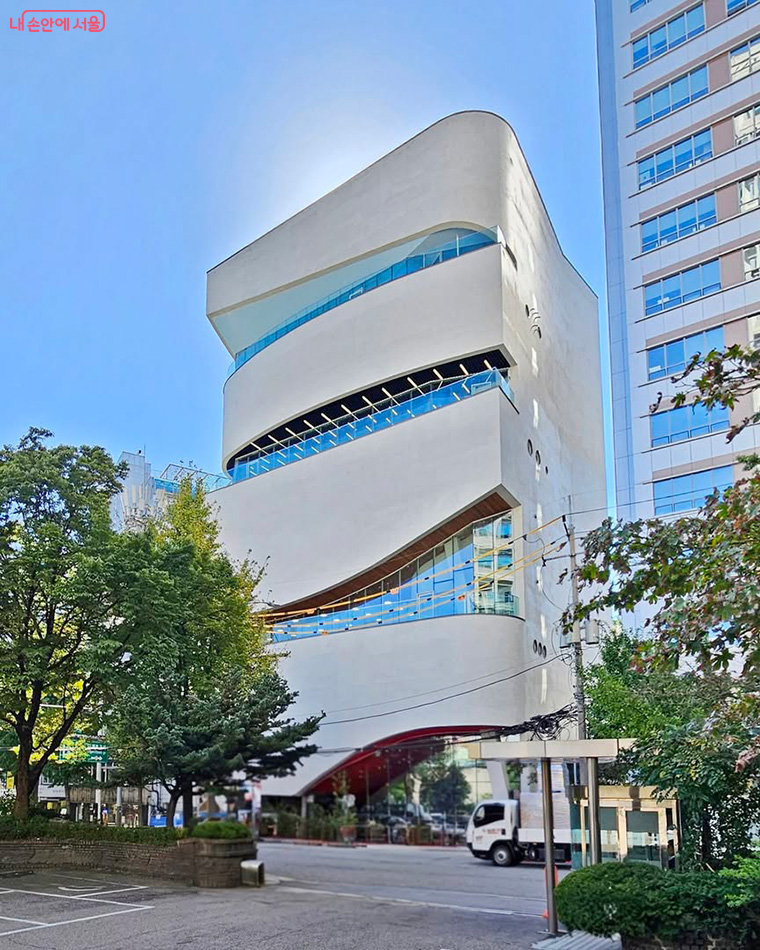
    If you love Korean cinema, Chungmuro is more than a neighborhood—it is the symbolic birthplace of Korean filmmaking. Now there’s a new reason to visit. On November 28, 2025, Seoul officially opened the Seoul Film Center, a public cultural complex designed to support independent and artistic film, and to reconnect citizens with the roots of Korea’s movie industry. This venue isn’t just for watching films; it is meant to be a living space for creation, learning, and exchange.

    1. What the Seoul Film Center offers

    The center spans from three basement levels up to the 10th floor. Its concept goes far beyond a cinema. Three theaters seat 166, 78, and 68 people respectively, with Theater 1 equipped with dual 35mm film projectors for analogue screenings, Theater 2 offering comfort seats, and Theater 3 featuring recliners for a more relaxed experience. The facility also includes a rooftop theater, a film café, a curated exhibition hall, multipurpose rooms, shared working spaces for creators, and meeting rooms for collaboration.

      Floor programs are carefully arranged to support both creators and the public. The 4th floor exhibition hall features interactive displays related to filmmaking. The 7th floor multipurpose hall hosts classes and workshops, while the 8th floor shared offices serve film industry professionals seeking space to work and network. The 9th floor archive allows visitors to browse books, DVDs, and film literature, with materials inherited from the now-closing Chungmuro Video Center. Film screenings, GV events, citizen film-making programs, and short-film training courses will be held year-round in the center’s three theaters.

      Independent and art films will be spotlighted, alongside programs to discover new directors and support film distribution and investment ecosystems such as markets and pitching events. Outdoor screenings on the rooftop and hands-on exhibition programs will connect cinema to daily cultural life. Through this center, Seoul hopes to re-establish Chungmuro as a hub for film production and appreciation.

      2. Pop-up exhibitions for iconic Korean films (through February 28, 2026)

      Seoul Film Center’s pop-up offers a glimpse into the nostalgic set pieces of Oldboy, where Oh Dae-soo was imprisoned for 15 years.

      To celebrate its opening phase, the Seoul Film Center is hosting limited-time pop-ups inspired by beloved Korean movies. Visitors can expect interactive displays, film props, and nostalgic set pieces referencing classics such as Oldboy and Architecture 101. Both films left strong marks on Korean cinema—whether it’s the corridor hammer scene in Oldboy or the emotional soundtrack and coming-of-age nostalgia of Architecture 101. For long-time fans, these installations offer a chance to relive iconic scenes and immerse themselves in film history.

        The pop-ups are open daily and admission is free, making them accessible for students, tourists, and casual visitors. According to early reviews shared by visitors online, the exhibition recreates props, posters, and memorable lines from the films, and offers photo zones perfect for fans. If you’re looking for a meaningful cultural stop during your trip to Seoul, or if you simply want to revisit Korean movie memories, the Seoul Film Center pop-ups are worth adding to your itinerary before they close on February 28, 2026.

      1. Why “Dubai Chewy Cookies (두바이 쫀득쿠키)” Took Over Korea: A Trendy Dessert Guide

        What exactly is a “Dubai Chewy Cookie”?
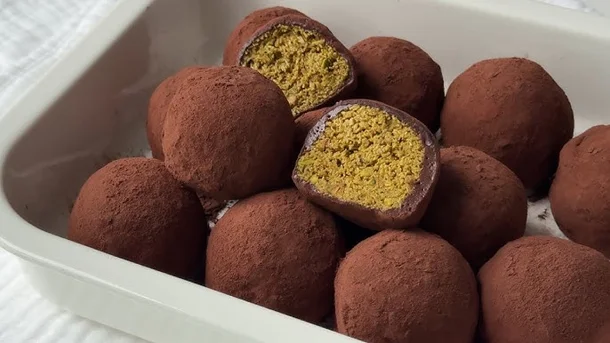
        Across Korean social media feeds recently, one sweet star keeps popping up: the “Dubai chewy cookie,” often shortened to “두쫀쿠.” Despite its name, this dessert isn’t a western cookie at all. It’s a fusion sweet inspired by Middle Eastern flavors and textures. Imagine layers of pistachio cream and crispy kadaif (thin shredded pastry used in Middle Eastern desserts) wrapped inside a soft, chewy shell—sometimes a rice cake, sometimes a macaron-style shell, then coated with chocolate. The contrast between sticky + crunchy textures is what makes it addictive.

        How did it suddenly become a nationwide craze?
        Korean dessert trends increasingly spread through Instagram, TikTok, and Naver blogs. A few artisanal cafés in Seoul began offering premium versions priced around 5,000–8,000 KRW each. The rich pistachio cream and exotic kadaif presentation made these desserts perfect for viral food content.

        Once influencers began posting mukbangs and cross-section videos, demand exploded. Convenience stores seized the momentum and rushed to release mass-market versions. That’s when the craze went mainstream. Limited stock notifications and “sold-out” signs only intensified the hype.

        Where can you buy them now?
        At first, only small specialty cafés and bakeries offered the treat, often requiring waiting lines or even morning “open-run” visits. Today, it has expanded from local cafés to major convenience chains. CU and GS25 introduced multiple versions, priced around 2,900–3,100 KRW. Some buyers even use convenience store mobile apps to track inventory because many stores sell out quickly. Convenience store shelves offering Dubai chewy macaron, chewy rice cake, chocolate balls, or brownie variations reflect the competition to keep up with the social buzz.

        Why convenience stores are jumping on the trend
        Convenience chains have learned that turning online sensations into affordable grab-and-go desserts can drive big revenue fast. Sales figures speak for themselves: CU reported more than 460,000 units sold of the chewy rice cake version alone, while GS25 doubled its Dubai chocolate lineup sales compared to early 2025. The tempo of dessert fads in Korea is accelerating—products come and go within months. “Dubai chewy cookies” follow in the footsteps of previous viral sweets such as Swedish gummies and towel cakes, illustrating how SNS buzz directly shapes store shelves.

        Should travelers and expats try it?
        Definitely. It captures a uniquely Korean moment—how global flavors cross into local convenience culture. If you’re curious about why Koreans are lining up for a dessert smaller than your palm, track down a Dubai chewy cookie at a CU or GS25. The fun lies not only in tasting pistachio and kadaif inside a chewy dough, but also in experiencing the limited-stock rush that defines Korea’s dessert trends today.