Category: Traveling deep in Korea

  • Best Indoor Places to Visit in Busan – Warm, Creative, and Weather-Proof Spots for a Perfect Winter Busan Trip

    Busan is now one of the most popular destinations for international travelers — sometimes even rivaling Seoul in tourism numbers. Its milder winter weather makes it an excellent cold-season getaway, but even in Busan, sudden rain or chilly coastal winds can make outdoor plans less appealing.


    For those moments, here are the best indoor attractions that promise culture, comfort, and fun regardless of weather.


    1. F1963 — Busan’s Industrial Factory Reborn as a Cultural Landmark

    Location: Suyeong-gu (수영구)
    Nearest Subway Station: Mangmi Station (Line 3), Exit 2 — about 10–15 minutes on foot

    Once a wire-manufacturing plant built in 1963, F1963 has transformed into one of Busan’s coolest mixed-use cultural spaces. The name combines “F = Factory” with the year 1963, symbolizing its rebirth from industry to creativity.
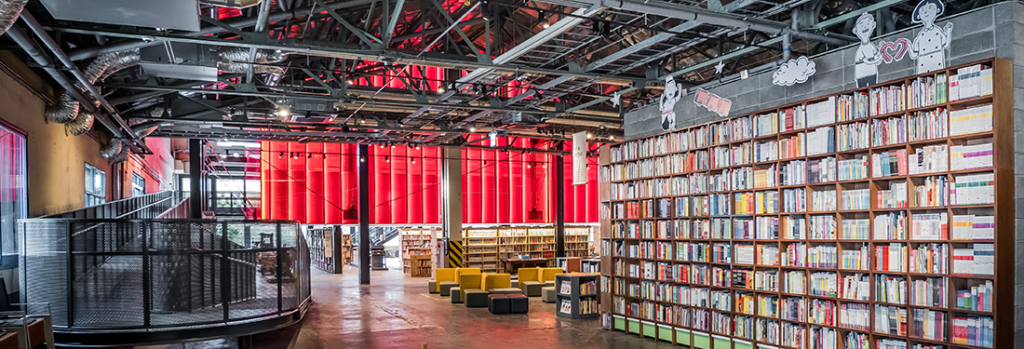
    F1963 – Busan’s coolest mixed-use cultural spaces.

    What Makes F1963 Special

    • Giant secondhand bookstore full of vintage décor, quiet reading corners, and curated lifestyle goods
    • Industrial-style café & roastery using repurposed factory materials
    • European-style pub & Korean makgeolli brewery for a unique food experience
    • Gardening studio & slow-living workshops
    • Art exhibitions, concerts, cultural events held regularly
    • F1963 Square, an open-air courtyard for screenings and performances
    • The Bamboo “Sound Path”, a serene walkway built from the former factory floor

    Whether you’re into art, architecture, books, or specialty cafés, F1963 is one of Busan’s most atmospheric indoor destinations — perfect for both solo travelers and couples.


    2. National Maritime Museum of Korea — Ocean Culture, Navigation History & A Free Aquarium

    Location: Yeongdo-gu (영도구)
    Nearest Subway Station: Nampo Station (Line 1), then take Bus 82/85 or a short taxi ride
    (The museum sits on a seaside hill, so direct subway access isn’t available, but transport is easy.)

    Busan’s National Maritime Museum is one of Korea’s most impressive ocean-themed museums, showcasing the history of navigation, maritime cultures around the world, and Korea’s own seafaring traditions.
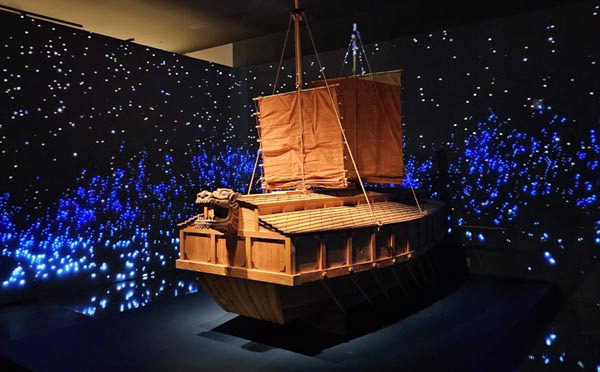
    National Maritime Museum of Korea offers a glimpse into the history of Korea’s naval history – including the Turtle Ship

    Highlights for Visitors

    • Learn about Korea’s legendary Turtle Ship (Geobukseon)
    • Global maritime artifacts and detailed navigation exhibits
    • Immersive media art galleries
    • A free indoor aquarium — ideal for families and kids
    • Spacious, warm, and easy to explore at your own pace

    If you’re curious about Korean naval history (especially Admiral Yi Sunshin and the Turtle Ship) or want a kid-friendly indoor attraction, this museum is easily one of the best choices in Busan.


    3. Spa Land Centum City — The Ultimate Jjimjilbang Experience

    Location: Haeundae-gu (해운대구)
    Nearest Subway Station: Centum City Station (Line 2), directly connected to Shinsegae Mall

    Spa Land is Busan’s most famous luxury jjimjilbang, housed inside the massive Shinsegae Centum City — officially one of the world’s largest shopping complexes.

    Why You Should Visit

    • Authentic Korean jjimjilbang culture: hot stone rooms, themed saunas, salt rooms, oxygen rooms
    • Outdoor foot baths with warm water — magical in winter
    • Thermal pools, relaxation zones, and peaceful rest areas
    • Perfect cold-weather activity that’s both fun and deeply relaxing

    For international visitors, this is one of the easiest and most enjoyable ways to experience Korean bath culture, especially on a chilly winter day.


    Final Thoughts

    Busan’s indoor attractions are not just weather-proof — they’re some of the city’s most creative, relaxing, and culturally rich experiences. Whether you’re escaping rain, cold winds, or simply looking for something new, these three destinations offer unforgettable moments for travelers of all ages.
  • Possible Seoul Subway Strike on December 12 — What You Need to Know

    If you live in Seoul or are visiting the city this week, here’s an important update:
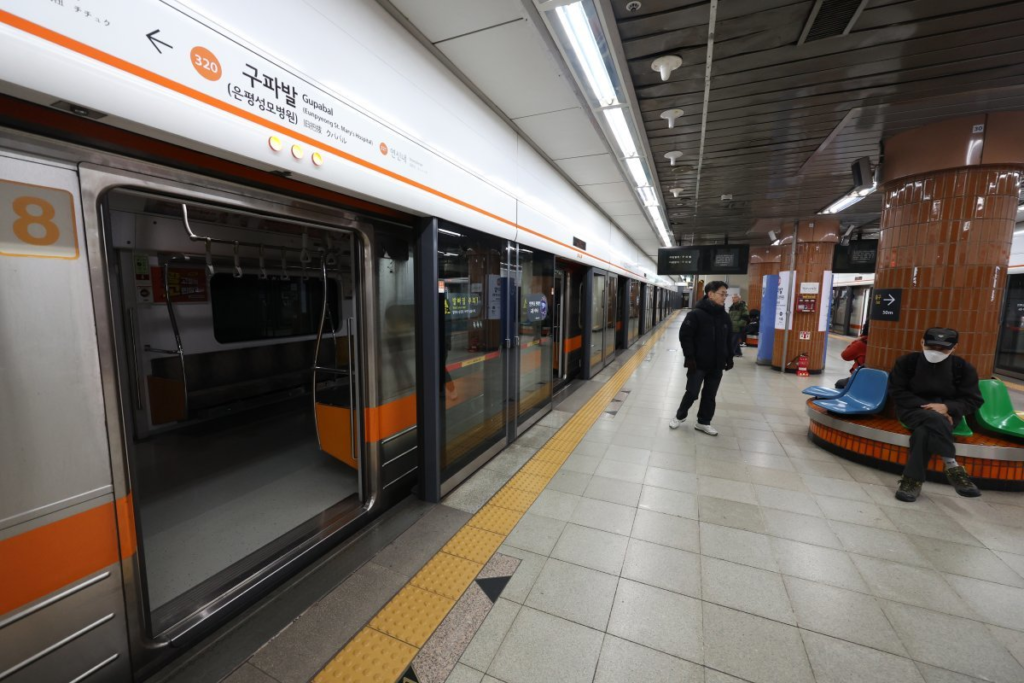
    A subway strike may begin on December 12, affecting Lines 1 through 8 of the Seoul Metropolitan Subway.
    Line 9 is not participating in the strike.

    The city has announced emergency plans to keep trains running, but some delays and congestion are still expected. Below is what foreigners should know to avoid travel disruptions during this period.


    1. Which Lines Are Affected?

    • Potential strike lines: Seoul Subway Lines 1–8
    • Not affected: Line 9 (operates normally even if the strike begins)

    This means most of the central Seoul network may experience reduced operations, but trains will still run at high frequency during rush hours.


    2. Will the Subway Still Operate?

    Yes — the city will maintain 88–100% service levels, even after the strike begins.

    Morning Rush Hour (7:00–9:00)

    • Lines 1–8 operate at 100% of normal service.
    • Even if Korail & Seoul Metro strike simultaneously, morning service is expected to stay above 90%.

    Evening Rush Hour (18:00–20:00)

    • Lines 2 and 5–8 operate at 100%.
    • Emergency trains will be on standby on Lines 2, 3, and 4 to reduce congestion.

    If the strike lasts more than 8 days

    • Morning service: 90%+
    • Evening service: 80%+

    In short, trains will keep running, but stations may be more crowded than usual.


    3. Additional Transportation — Buses Will Increase Service

    To reduce inconvenience, Seoul will deploy all available alternative transportation, including major increases in bus frequency.

    City Bus Adjustments

    • 2,538 additional bus departures during peak hours
    • Morning peak extended: 6:00–9:00 (starts 1 hour earlier)
    • Evening peak extended: 17:00–20:00 (ends 1 hour later)

    Special Routes

    • Daramjwi (Squirrel) Buses: Operating time extends from 2 → 3 hours (55 extra runs)
    • Donghaeng Community Buses: Also extended from 2 → 3 hours (83 extra runs)

    Emergency Vehicles

    • Extra standby and shortened-route buses will be in operation across 161 routes.

    If the subway seems too crowded, buses will be a strong alternative — especially across central Seoul.


    4. Safety & Crowd Management

    Since the Seoul subway system is considered essential infrastructure, the city will deploy:

    • 13,000+ staff to maintain operations
    • 124 city employees stationed at 31 major crowded stations
    • Increased on-site monitoring and crowd control
    • Updated real-time information across apps and stations

    Foreign travelers should expect more staff presence at major stations like Seoul Station, Gangnam, Hongdae, and Dongdaemun.


    5. Where to Check Live Updates (English-Friendly Options)

    Seoul provides real-time information through:

    • TOPIS website: https://topis.seoul.go.kr
    • Subway station digital screens & bus stop information terminals (BIT)
    • Ttota Subway App (또타지하철)

    These sources will update strike status, train frequencies, and bus reinforcement schedules.


    6. What Foreigners Should Do

    To travel smoothly during a potential strike:

    • Allow extra time for commuting.
    • Use Line 9 when possible — it is not included in the strike.
    • Consider buses for cross-city trips (especially during peak hours).
    • Avoid transferring at major hubs during rush hour.
    • Check live information before leaving home or your hotel.

    Final Tip

    Seoul officials emphasized that they are using all available transportation resources to minimize inconvenience. Negotiations are still ongoing, and a strike may be avoided — but staying informed will help you move around the city with confidence.

  • Seoul Winter Festa 2025 – Experience Seoul Winter Wonderland

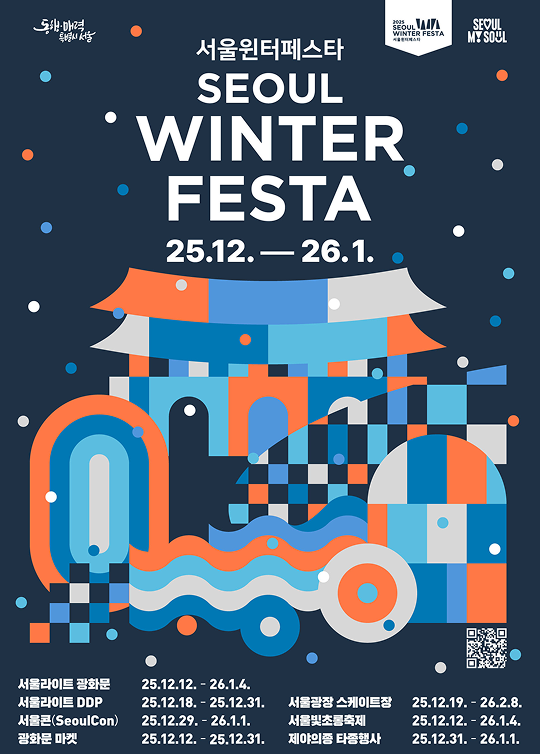
    Seoul is transforming into a massive winter playground this year-end. From Gwanghwamun and Seoul Plaza to DDP and Cheonggyecheon, the city’s most iconic landmarks will host a relay of performances, markets, media art, and hands-on programs under one integrated celebration: Seoul Winter Festa.
    If you’re spending December in Korea, this festival is one of the most spectacular ways to experience K-culture, winter lights, and Seoul’s year-end energy.


    1. Festival Kickoff: Lighting Ceremony & K-Performance Competition

    The festivities begin on December 12 in the Gwanghwamun area, where seven major winter events gather for a grand lighting ceremony that brightens the entire city center.
    On December 13, 14, 20, and 25, Cheonggyecheon and Gwanghwamun host the K-Performance Competition, featuring:

    • Taekwondo artistry
    • K-pop reinterpretations
    • Traditional dance
    • International guest teams

    The result is a creative mix of modern and traditional Korean culture—perfect for travelers looking for authentic yet high-energy performances.


    2. Gwanghwamun: The Main Stage of Seoul Winter Festa

    Seoul Light Gwanghwamun (Dec 12– Jan 4)

    Every evening from 5:30 PM, the plaza comes alive with colorful light shows, immersive illuminations, and media art displays.

    • Weekdays until 9 PM
    • Weekends until 10 PM

    Gwanghwamun Christmas Market (Dec 12–Dec 31)

    A European-style winter market fills the plaza with festive food, handmade goods, Christmas decor, and local vendor booths.

    • Daily: 5:30 PM–9:30 PM
    • Wednesdays: Open until midnight

    It’s a great place to warm up with winter snacks, shop for seasonal gifts, and enjoy holiday vibes with stunning city views.


    3. Experience Zones: Food, Art, and Interactive Fun

    Gwanghwamun’s Festa Zone offers family-friendly and tourist-friendly attractions:

    • Haechi & Seoul Friends LEGO installation
    • Food Zone on the Press Center lawn, featuring bakeries and winter street snacks
    • Photo spots for Instagram and TikTok
    • “Reels Zone” for K-pop-style short-form content creation

    Add in a silent disco, surprise events, and street parades, and you get a winter festival designed for all ages.


    4. Celebrate Across Seoul: Lights, Media Art & Hallyu(K-Wave) Events

    Seoul Winter Festa extends beyond Gwanghwamun, transforming multiple districts into nighttime attractions.

    Seoul Lantern Festival (Cheonggyecheon & Uicheon, Dec 12–Jan 4)

    A river walkway glowing with light sculptures, media art, and citizen-made installations.

    Seoul Light DDP (Dec 18–Dec 31)

    Digital art projections, Christmas-themed sculptures, and futuristic night scenery at Dongdaemun Design Plaza.

    SEOULCon (Dec 29–Jan 1)

    A paradise for K-culture fans:

    • K-pop concerts
    • eSports award shows
    • K-beauty and fashion exhibitions

    This section of the festival is designed especially for international visitors seeking a deeper dive into modern Korean pop culture.


    5. Winter Sports in the City: Seoul Plaza Ice Rink

    Running from December 19 to February 8, the iconic Seoul Plaza Ice Rink opens for seasonal skating, family activities, and live cultural performances. Whether you’re skating for the first time or reliving childhood memories, this is one of the most charming winter experiences in Korea.


    6. Countdown to 2026: The Seoul New Year’s Eve Bell-Ringing Ceremony

    On the final night of 2025, Bosingak hosts Seoul’s traditional New Year’s Eve bell-ringing ceremony.
    The celebration includes:

    • Nongak (traditional percussion)
    • Pansori performances
    • LED and laser shows
    • Massive citizen “Seoul Sing-Along” chorus

    It’s a dramatic, uniquely Korean way to welcome the Year of the Red Horse—and a must-see cultural moment for year-end visitors.


    Why You Shouldn’t Miss Seoul Winter Festa

    For tourists, expats, and students, this citywide celebration is one of the best ways to enjoy Korea’s holiday season:

    • A rare chance to see Seoul united as one giant festival stage
    • Endless K-culture content for social media
    • Free or low-cost attractions across multiple districts
    • Nighttime illuminations that bring a magical atmosphere to the city

    Seoul promises “a warm, enchanting winter experience for all,” and this year’s Winter Festa delivers exactly that.

    More details and updates will be announced through Seoul’s official website and social channels, so keep an eye out for the latest event schedules.

  • Useful Tips for Staying in Hotels in Korea: What Travelers Should Know

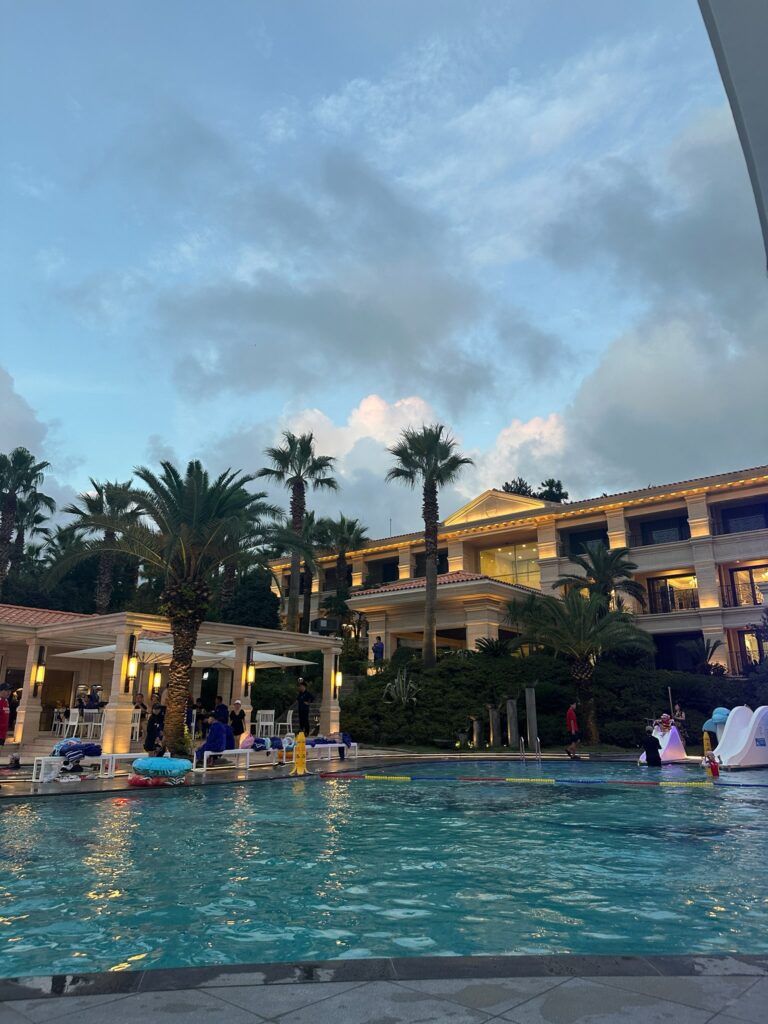
    Korea’s hotels are clean, efficient, and increasingly eco-focused, making them comfortable for international travelers. Still, there are a few local customs and policies that may be unfamiliar if you’re visiting for the first time. Below is a short guide to help you navigate your stay more smoothly — from eco-friendly amenities to cultural habits and facility fees.


    1. Eco-Friendly Policies: Fewer Disposable Amenities

    In line with Korea’s expanding environmental regulations, many hotels no longer provide complimentary disposable toiletries such as toothbrushes, toothpaste, and razors. These items are often available for purchase at the front desk, but prices can be higher than at local convenience stores. If you plan to stay multiple nights, it’s usually more economical to buy them at a nearby CU, GS25, or 7-Eleven.

    Shampoo, conditioner, and body wash are generally offered in refillable pump bottles rather than small single-use containers. This is part of the national effort to reduce plastic waste, and most hotels, from budget chains to luxury properties, have adopted this system.

    Traveler tip:
    Bring your own toothbrush kit for convenience, or pick one up at a convenience store before checking in.


    2. Indoor Culture: Shoes Off and Clean Floors

    Korean houses traditionally require you to remove shoes before entering, and this cultural habit subtly influences hotel practices as well. Many hotels provide indoor slippers in every room, and housekeeping teams maintain the floors so meticulously that walking barefoot is common and perfectly acceptable.

    Whether you prefer slippers or bare feet, you can comfortably move around your room without concern — a small but appreciated detail for many travelers.


    3. Pools, Saunas, and Fitness Centers May Require Extra Fees

    While some hotels offer free access to the gym or pool, others — especially high-end or business hotels — may charge additional fees for swimming pools, saunas, or spa facilities. These fees vary widely depending on the property and can sometimes apply to both guests and external visitors.

    Before booking, it’s worth checking the facility policy if you plan to enjoy the wellness amenities.

    Traveler tip:
    If access to the pool or sauna is important to you, choose hotels that clearly specify “free facility access” in the room description.


    4. Heating and Cooling Tips for Korean Rooms

    Korean hotels often use Ondol (floor heating) during winter, which warms the room from the ground up. If the room feels too warm, lowering the temperature slightly or switching to ventilation mode usually helps. In summer, air conditioners are powerful but may be controlled centrally in some hotels — meaning the temperature range could be limited.


    5. Convenience Stores and Delivery Culture

    One of Korea’s best hotel perks is the easy access to convenience stores and food delivery. Most hotels are within a one-minute walk of a convenience store, and many allow food delivery (배달) directly to the lobby. Guests often order Korean fried chicken, noodles, or desserts to enjoy in their rooms.

    Traveler tip:
    Ask the front desk about the delivery policy — some hotels require guests to pick up orders from the lobby.


    6. Check-In Technology and Digital Amenities

    Self check-in kiosks are becoming increasingly common, speeding up the arrival process. Hotels also tend to offer fast Wi-Fi, multiple universal power outlets, and sometimes even smart TVs with built-in streaming apps.


    Final Thoughts

    Korean hotels combine practicality, cleanliness, and cultural touches that make stays comfortable for foreign travelers. Whether you’re adjusting to eco policies, enjoying spotless rooms, or exploring facility perks, these small insights help you travel with confidence — and make your stay in Korea even more enjoyable.

  • How to Travel from Seoul to Busan: A Complete Guide for Visitors

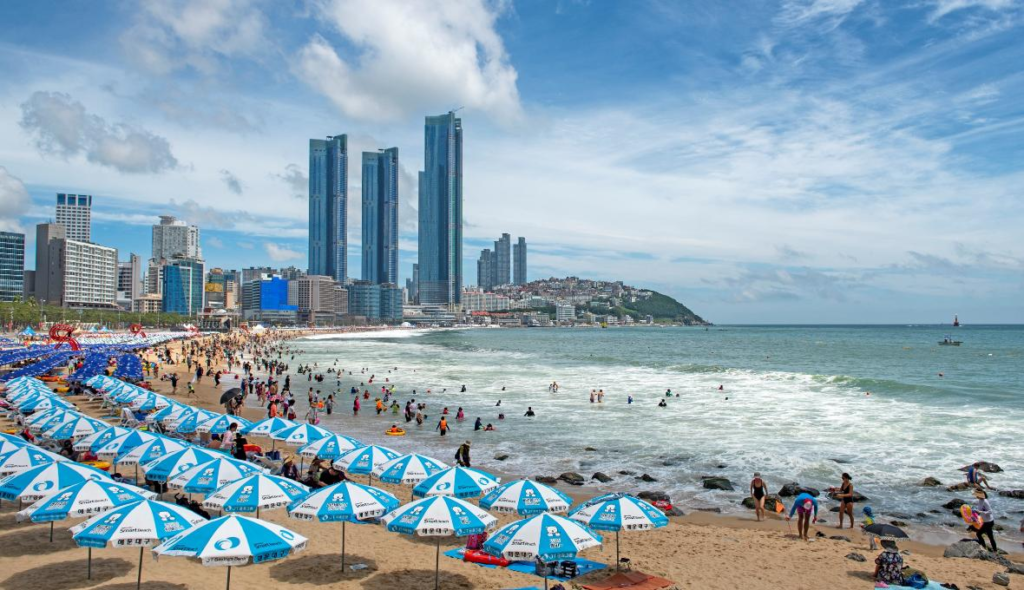
    Busan is one of the most beloved destinations for travelers visiting Korea. In the summer, people flock to Haeundae Beach for its wide shoreline and refreshing water. In the fall, the Busan International Film Festival draws global attention. And in the winter, the weather stays noticeably milder than Seoul, making Busan a comfortable year-round getaway. If you’re traveling in Korea, visiting Busan is almost essential — and fortunately, getting there from Seoul is simple.

    Below is a clear, foreigner-friendly guide to the three main ways to travel from Seoul to Busan: train, bus, and flight. Each option includes cost expectations, travel time, departure points, and benefits.


    1. KTX (High-Speed Train) – Fast, Comfortable, and Highly Reliable

    KTX is the most popular choice for both locals and visitors traveling from Seoul to Busan. It’s fast, easy to navigate, and known for exceptional punctuality.

    Main departure stations:

    • Seoul Station (central Seoul)
    • Suseo Station (Gangnam area, SRT high-speed line)
    • Cheongnyangni Station (recently added; trains on this line arrive at Bujeon Station in central Busan)

    Travel time: About 2.5–3 hours, depending on the route.

    Budget: Usually KRW 50,000–70,000 one-way.

    Why choose KTX:

    • Extremely reliable with impressive on-time performance
    • Comfortable seats with more legroom than many international flights
    • Easy transfers from major Seoul subway lines
    • Perfect for travelers who want a quick, smooth journey without dealing with airport security or traffic

    If you want the most convenient and time-efficient option, KTX is the clear winner.


    2. Express Bus – The Most Budget-Friendly Choice

    For travelers watching their budget, express buses offer a comfortable yet affordable alternative. They take longer than trains or flights, but the savings can be significant.

    Main departure terminals:

    • Seoul Express Bus Terminal (Lines 3 / 7 / 9, located in Gangnam)
    • Dongseoul Terminal (near Gangbyeon Station, Line 2)

    Travel time: Approximately 4–5 hours, depending on traffic.

    Budget: Typically KRW 35,000–55,000, depending on bus class (standard vs. premium).

    Why choose the bus:

    • Cheapest way to travel between Seoul and Busan
    • Comfortable premium buses available (bigger seats, quieter cabins)
    • Terminals are easy to reach by subway
    • A good option for flexible travelers who don’t mind longer travel times

    If you want the most economical route and don’t mind an extended ride, the bus is a great pick.


    3. Domestic Flight – Fastest Total Travel Time (Especially from Western Seoul)

    Flying may seem unnecessary for such a short distance, but many travelers choose it for convenience — especially those staying near western Seoul.

    Route:

    • Gimpo Airport (Seoul) → Gimhae Airport (Busan)

    Flight time: About 55 minutes
    (But factor in airport check-in and security.)

    Budget: Usually KRW 60,000–120,000, depending on airline and season.

    Why choose the plane:

    • Fastest point-to-point travel time
    • Gimpo Airport is extremely easy to access via subway or AREX
    • Good option if you prefer flying or want to connect to Busan’s metro immediately from the airport

    Flights cost more than buses and sometimes more than KTX, but for travelers prioritizing speed — especially those staying near Hongdae, Yeouido, or Mapo — flying can be surprisingly efficient.


    Final Recommendation

    • Fastest & most convenient: KTX
    • Cheapest: Express Bus
    • Best for airport-style travel: Domestic Flight

    Whichever option you choose, traveling from Seoul to Busan is smooth, straightforward, and well supported by Korea’s excellent transportation network.

  • Best Streams for Running in Seoul: A Runner-Friendly Guide Beyond the Han River

    The Han River is undeniably the most iconic running spot in Seoul, beloved by locals and visitors for its open views and endless paths. But many runners don’t realize that the city is also filled with smaller, beautifully maintained urban streams—each offering calmer paths, shaded routes, and a more local, neighborhood feel.

    For travelers looking to explore Seoul through running, these smaller waterways can be just as rewarding as the famous Han. Below are four runner-friendly streams that combine accessibility, scenery, and a distinctly Seoul atmosphere.


    1. Yangjaecheon – Southern Seoul’s Shaded, Peaceful Stream

    Located in southern Seoul (Seocho & Gangnam area), Yangjaecheon is one of the city’s most beloved nature-friendly running routes. The stream is lined with trees that form a green tunnel in spring and summer, making it cooler and quieter than most urban paths. For runners who prefer softer ground, the dirt trails along sections of the stream offer a comfortable surface.

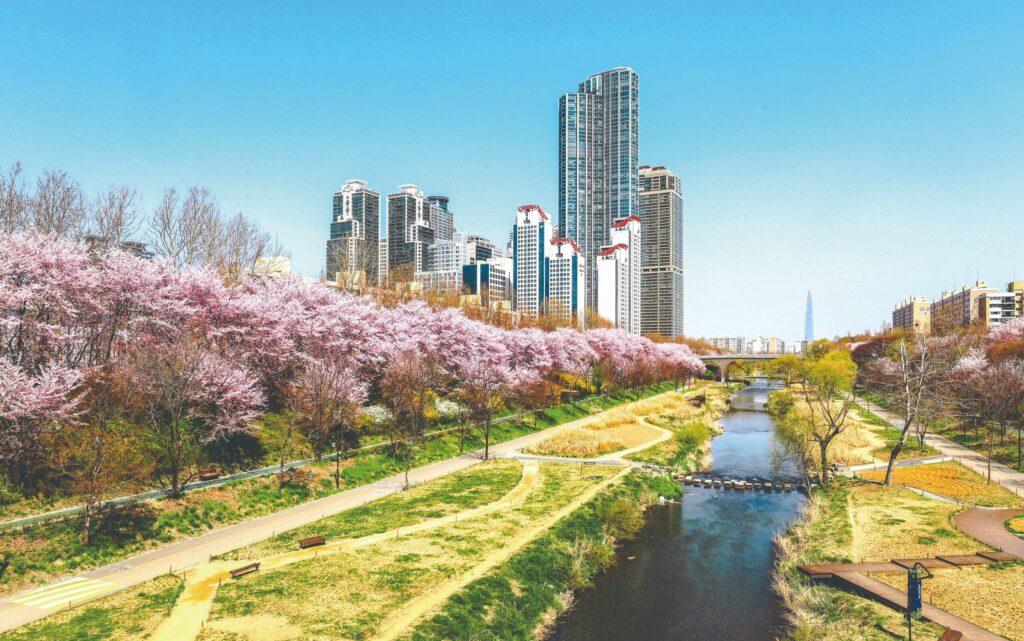
    A peaceful spring view along Yangjaecheon — one of Seoul’s most runner-friendly streams, lined with cherry blossoms and calm riverside paths.

    What makes it special:

    • Quiet, suburban atmosphere despite being minutes from Gangnam
    • Flat, continuous paths ideal for long, steady runs
    • Cherry blossoms in spring and golden reeds in autumn
    • Many runners spot herons or ducks along the water, creating a calm, nature-rich mood

    2. Jungnangcheon – Northeast Seoul’s Endless Straightaways

    Stretching through northeastern Seoul, Jungnangcheon is a dream for runners who enjoy long, uninterrupted straight paths. The stream eventually meets the Han River, so you can start deep in a neighborhood and finish with a sweeping river view if you want an extended run. The course is wide, clean, and popular with cyclists too, so morning or evening runs feel dynamic but still spacious.

    What makes it special:

    • Great for tempo runs or interval training thanks to its long straight sections
    • Seasonal scenery, including bright yellow forsythias in spring
    • Easy access from Dongdaemun, Cheongnyangni, and nearby residential districts
    • A “local runner hub” vibe where you’ll see regulars training daily

    3. Tancheon – Southeast Seoul’s Scenic Path with Lotte Tower Views

    Running through southeastern Seoul, Tancheon connects Bundang, Jamsil, and Songpa—making it one of the most connected waterways for runners living or staying near Gangnam or Jamsil. The path is wide, smooth, and great for both casual jogging and long-distance training. One of its highlights is the view: as you approach Jamsil, the Lotte World Tower rises dramatically above the water.

    What makes it special:

    • Iconic skyline views, especially near Lotte World Tower
    • Very wide paths that accommodate cyclists and runners comfortably
    • Perfect for long-distance routes, including connections to the Han River
    • Shaded underpasses and bridges for sun protection on hot days

    4. Hongjecheon – Western Seoul’s Urban-Meets-Nature Route

    Situated in western Seoul, Hongjecheon flows from the hills of Seodaemun down toward the city center. It feels more intimate than larger streams, with murals, small bridges, and neighborhood cafés popping up along the route. Because of its position between residential areas and the foothills of Mt. Ansan, runners can enjoy a blend of urban charm and quiet natural stretches.

    What makes it special:

    • Calm, less crowded paths perfect for relaxed jogs
    • A unique mix of street art, local shops, and greenery
    • Easy access from Sinchon and Seodaemun neighborhoods
    • Great for an after-work or early-morning run when the light hits the water beautifully

    Seoul’s streams aren’t just running paths—they’re windows into the city’s everyday rhythm. Whether you prefer a peaceful nature trail, a skyline backdrop, or a long uninterrupted route, these four streams offer a runner-friendly way to explore the city beyond the famous Han River.

  • Guide to Urban Hiking Centers in Seoul: How to Get There, What to Rent, and the Best Courses to Try Hiking in Seoul

    Seoul isn’t just a city of palaces and skyscrapers—it’s also one of the few capitals in the world where you can hop on the subway and find yourself at a mountain trailhead within minutes.

    To make this even easier for travelers, the city operates three dedicated “urban hiking centers.” These facilities provide affordable gear rental, multilingual information, and clear hiking routes that help visitors enjoy Seoul’s mountains safely and comfortably.

    Below is a beginner’s guide for the three major urban hiking centers in Seoul, how to reach them, and which courses to try.


    1. Seoul Hiking Tourism Center (Bukhansan)

    How to get there:
    Take the Ui-Sinseol Line to Bukhansan Ui Station. From Exit 2, it’s about a 5-minute walk to the center.

    What you can rent:
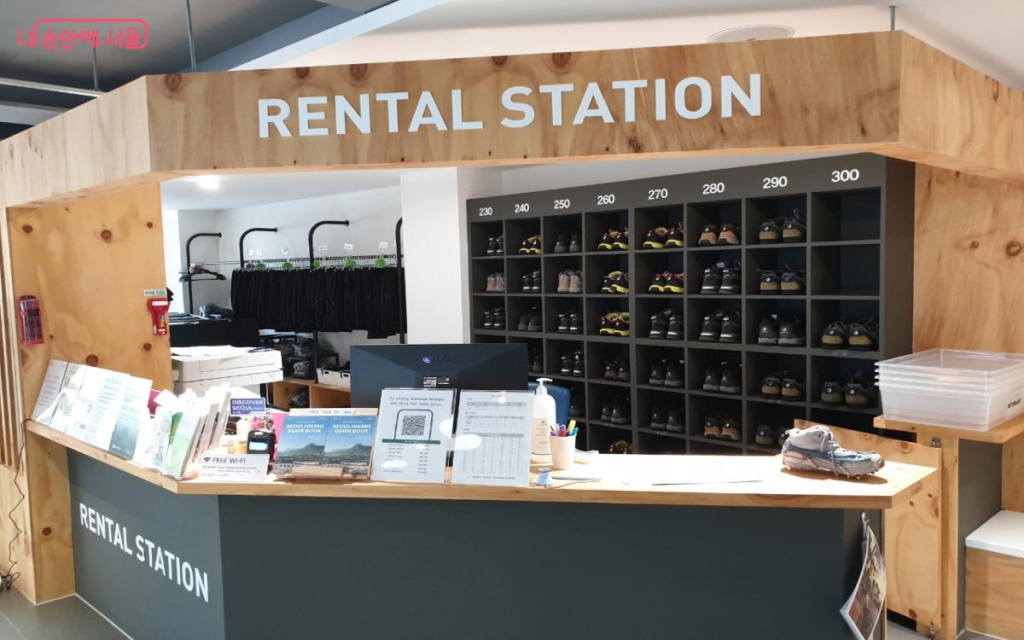
    Hiking boots, trekking poles, backpacks, gloves, crampons, and small accessories. Lockers and lounge spaces are available for pre- or post-hike breaks.

    Recommended courses:

    • Beginner course: Ui trailhead → Doseonsa → Samcheonsa. A calm 2–3 hour route through forest paths and historic temples.
    • Advanced course: Ui trailhead → Daedongmun → Baegundae Peak. The classic Bukhansan summit trail with granite ridges and panoramic city views. Expect 3–4 hours and some steep sections.

    2. Seoul Hiking Tourism Center (Bugaksan)

    How to get there:
    Take Line 3 to Anguk Station and walk about 15 minutes to the center in Samcheong-dong. You can also take bus No. 11 (Jongno-gu district bus) from Gwanghwamun area if preferred.

    What you can rent:
    Standard hiking gear plus maps and multilingual hiking support. This center operates inside a renovated hanok, and some cultural programs (like calligraphy or craft workshops) may also be available.

    Recommended courses:

    • City Wall history walk: Bugak Pagoda → Sukjeongmun → Changuimun. Smooth pacing, rich scenery, and 2–3 hours along sections of the Seoul City Wall.
    • Sunset ridge course: Bugak Skyway → Bugaksan summit. A 1–2 hour climb famous for its sweeping dusk and night views over central Seoul.

    3. Seoul Hiking Tourism Center (Gwanaksan)

    How to get there:
    Take the Sillim Line to Gwanaksan Station. The center is located directly inside the station at the basement level.

    What you can rent:
    Boots, poles, backpacks, crampons, and small accessories. The center also offers luggage storage and multilingual hiking guides tailored for visitors unfamiliar with Korean terrain.

    Recommended courses:

    • Easy forest trail: Gwanaksan Park → Samgeori Yaksooter. About 1.5 hours of gentle walking through wooded areas.
    • Moderate summit hike: Gonghak-gwan route → Yeonju-dae Peak. A 3–3.5 hour course with rewarding ridge views and varied forest scenery.

    Rental Fees and Traveler Tips

    Rental prices remain budget-friendly: boots around 2,000 KRW, trekking poles or crampons around 1,000–2,000 KRW, and full outfits around 3,000 KRW – in total, less than 10,000 KRW per person.

    This makes the centers ideal for travelers who didn’t pack hiking gear but want to experience Seoul’s outdoor culture. All centers provide lockers, rest areas, and helpful staff who can explain routes in English, Chinese, or Japanese.


    Why These Centers Are Perfect for Travelers

    These facilities bridge the gap between urban travel and nature exploration. You can leave your hotel, take a single subway line, rent full gear within minutes, and begin a mountain hike immediately—often with sweeping views of the city below. The mix of accessibility, safety, cultural insights, and well-maintained routes makes Seoul’s urban hiking system one of the city’s most underrated attractions.

  • Snow in Korea: 5 Fun Tips for Enjoying Seoul’s First Big Snowfall

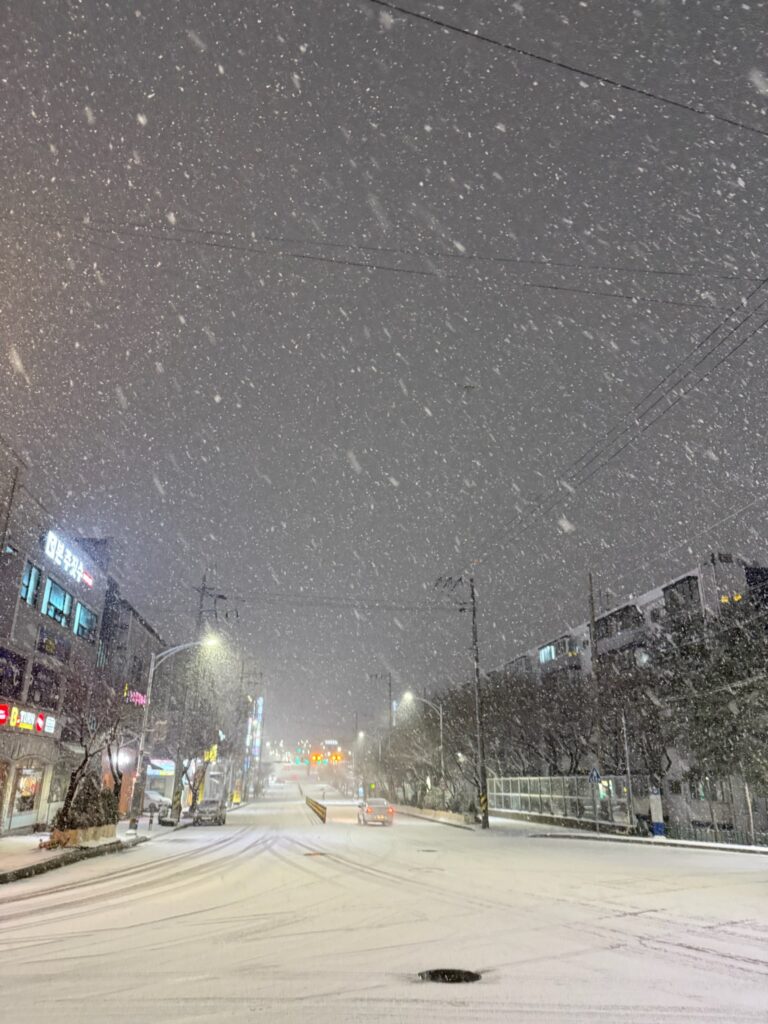
    Seoul kicked off winter on 4 December 2025 with a surprisingly heavy first snowfall, turning streets, parks, and even apartment courtyards into a bright winter scene. For many travelers, snow in Korea feels both familiar and delightfully different—especially when you notice how quickly the city snaps into action. Snowplows roll out almost instantly, sidewalks are cleared within hours, and some steep hills even have underground heating systems to keep ice from forming. If you’re visiting Korea during a snowy week, here are a few playful and practical tips to help you enjoy it like a local.


    1. Watch the city transform in real time

    Korean cities handle snow with impressive speed. Within minutes of heavy snowfall, roads fill with municipal snowplows, salt trucks, and workers clearing walkways. Even after a big snow, public transportation usually runs smoothly—so don’t cancel your plans. Instead, enjoy the contrast between snowy rooftops and bustling winter streets.


    2. Visit a neighborhood apartment complex for a “local winter moment”

    If you walk through a residential apartment complex after the snow settles, you’ll often see children rolling snowballs together to make small snowmen. These scenes feel incredibly local and warm, offering a glimpse into everyday Korean life far from the tourist zones. It’s the kind of simple joy that travelers tend to remember long after the trip.


    3. Taste winter street snacks: Hotteok (호떡) & Eomuk (어묵)

    Snowy weather is the perfect excuse to stop by a street stall and warm your hands (and soul).

    • Hotteok (호떡): A sweet, syrup-filled pancake that tastes even better when the steam hits the cold air.
    • Eomuk (어묵): Korean fish cakes served on skewers in a comforting hot broth.

    These two snacks practically define Korean winter and make wandering snowy streets feel extra cozy.


    4. Dress for layers—and choose the right shoes

    Weather can swing quickly during winter, so layering is essential. Heat packs are widely available at convenience stores or Daiso stores and help a lot when walking long distances. More importantly, wear shoes with grip: certain alleys and hilly areas (like near Bukchon or Namsan) can still get slippery before the heating systems kick in.


    5. Capture the Seoul snow aesthetic

    Few things beat the contrast of neon signs, modern skyscrapers, and a fresh layer of snow. Early mornings are especially photogenic, and riverfront areas like the Han River parks take on a calm, peaceful tone. Snow in Korea creates a mood that feels cinematic—so take your time, wander, and enjoy the quiet beauty.


    Snow in Korea offers a charming mix of efficiency, energy, and pure winter fun. Whether you’re tasting warm snacks, watching kids build snowmen, or simply admiring the city wrapped in white, snowy Korea becomes a whole new travel experience worth savoring.

  • Beyond Gwangjang Market: Three Local Seoul Markets Foreign Travelers Will Love

    Gwangjang Market is definitely famous for its street food—bindaetteok, kalguksu, mayak gimbap, you name it.

    But with its skyrocketing popularity among tourists, some travelers now look for places that feel more local, less crowded, and a bit more authentic. If you’re hoping to explore markets where Seoul residents actually shop, snack, and socialize, here are three fantastic alternatives worth adding to your itinerary.


    1. Mangwon Market — A Local Favorite Near Hongdae

    Location: Near Mangwon Station (Line 6)
    For those staying in Hongdae, Sinchon, or Hapjeong, Mangwon Market is one of the easiest and most enjoyable traditional markets to visit. This neighborhood gem blends classic Korean market culture with a younger, trendier vibe.

    What you can enjoy here:

    • Tteokbokki, gimbap, and hotteok from long-running stalls
    • Winter favorites like bungeoppang (fish-shaped pastries)
    • Affordable snacks perfect for casual browsing
    • A warm, lived-in atmosphere that feels truly local

    Mangwon is a great spot for travelers who want to taste everyday Korean street food without the overwhelming crowds.


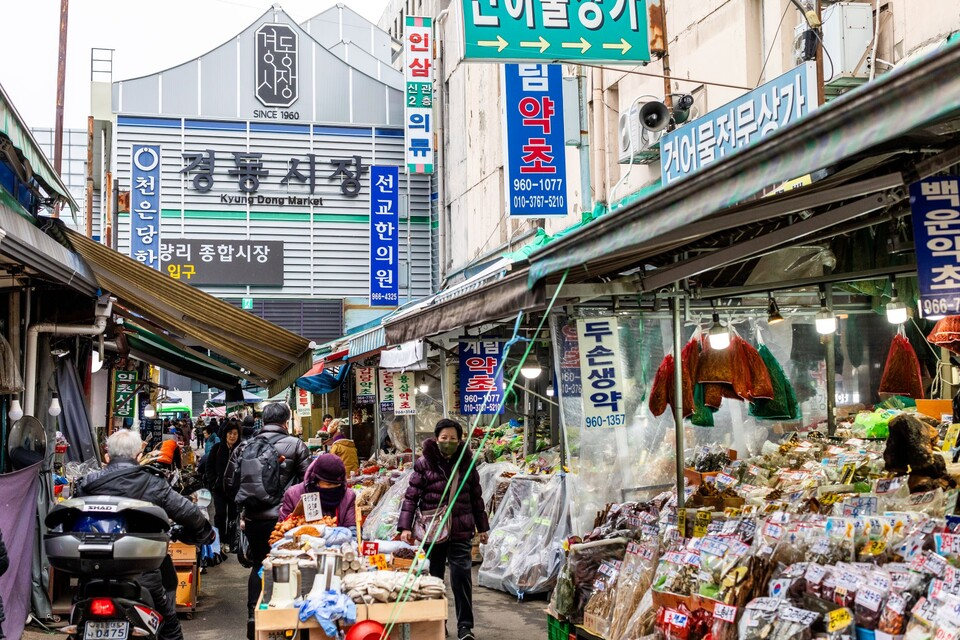
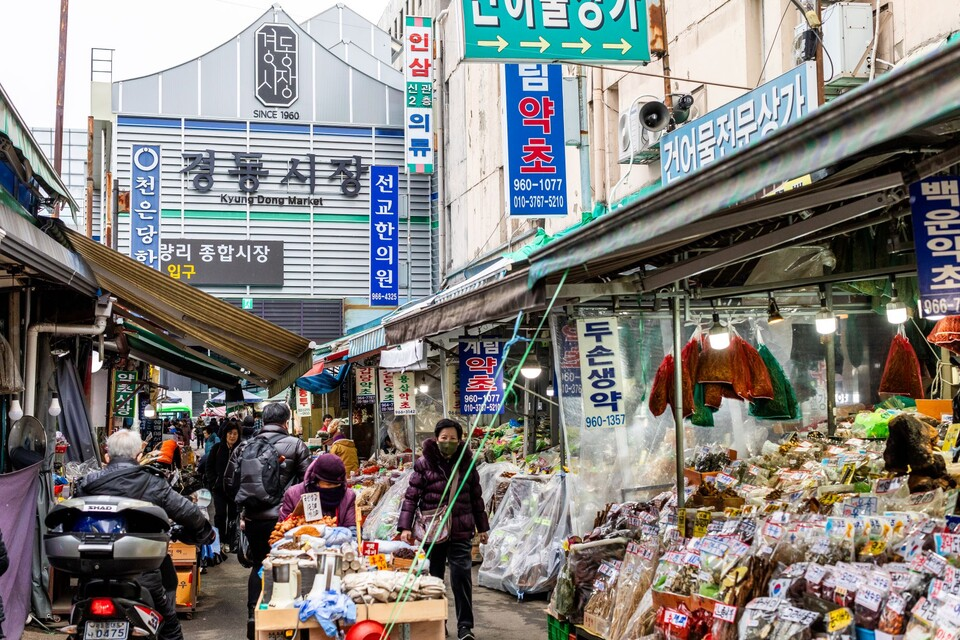
    2. Gyeongdong Market — Herbs, Produce, and Old-school Charm

    Location: Near Cheongnyangni Station (Line 1 / KTX)
    If you’re staying around Dongdaemun, Hoegi, Wangsimni, or northeastern Seoul, Gyeongdong Market is an easy and fascinating stop. Known as one of Korea’s largest herbal medicine markets, this district offers a raw, old-Seoul energy you won’t find elsewhere.

    Here’s what makes it special:

    • Endless rows of hanbang (Korean herbal medicine) shops
    • Vendors selling fresh fruits and vegetables at wholesale prices
    • Tiny mom-and-pop eateries with decades of history
    • A bustling, non-touristy atmosphere full of character

    For travelers curious about Korean ingredients and wellness traditions, Gyeongdong Market is an unbeatable experience.


    3. Namdaemun Market — A Mix of Street Food and Global Finds

    Location: Near Hoehyeon Station (Line 4)
    Close to Myeongdong, Seoul Station, and Chungmuro, Namdaemun Market is one of the most dynamic shopping areas in the city. While it’s well-known, it still retains a lively local charm and offers an incredibly wide range of products.

    Why travelers love Namdaemun:

    • Famous street snacks like hotteok and dumplings
    • Shops selling imported goods, kitchenware, clothing, and souvenirs
    • A well-known reputation for cheap alcohol and spirits, popular among expats
    • Energetic alleys perfect for wandering and discovering hidden stalls

    If you want a market that blends old traditions with global flavors, Namdaemun is the place to go.


    Final Thoughts: Discover a More Local Side of Seoul

    Seoul’s traditional markets each offer a different window into everyday Korean life. Whether you’re craving tteokbokki in Mangwon, hunting for herbal teas in Gyeongdong, or grabbing souvenirs in Namdaemun, these spots deliver flavors and experiences that go far beyond the usual tourist trail.

    If Gwangjang market feels too crowded for your taste, step into one of these three markets and enjoy a deeper, more local slice of Seoul.

  • KTX Station in Seoul: Why Cheongnyangni Is the Best Starting Point for Your Gangwon Adventure

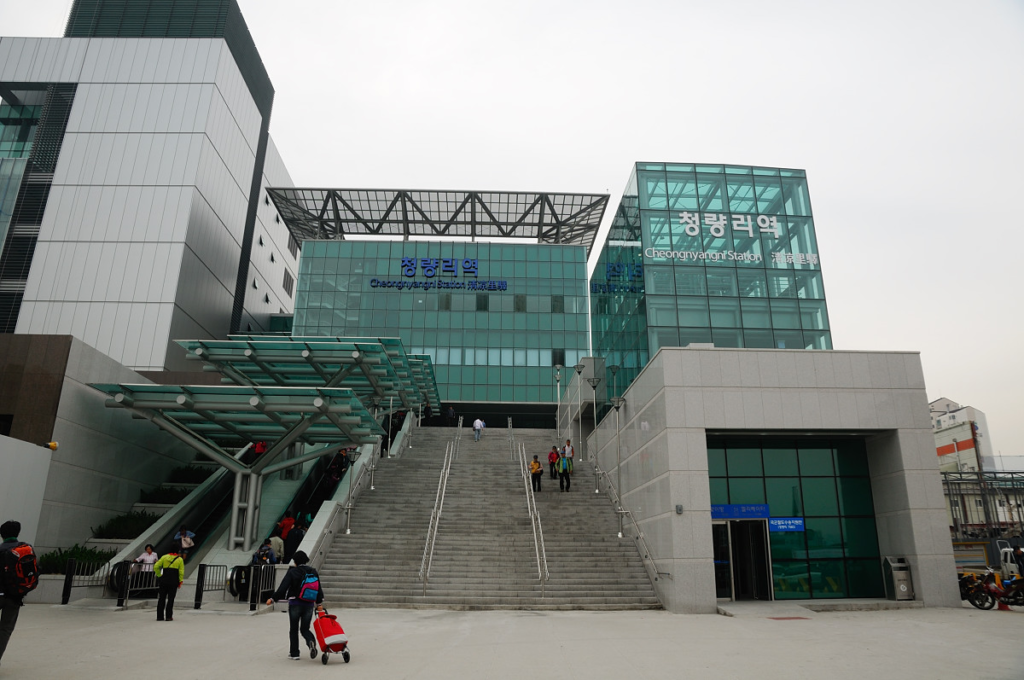
    When planning a winter trip from Seoul, most travelers automatically think of Seoul Station for high-speed trains. But there’s another KTX station in Seoul that’s becoming a favorite among locals—Cheongnyangni Station. Convenient, less crowded, and perfectly connected to eastern Korea, it offers everything you need for a smooth getaway.

    Below is a traveler-friendly breakdown to help you discover why Cheongnyangni might be the ideal starting point for your next journey.


    1. The Best Hub for Gangneung, Pyeongchang & Donghae (KTX to Gangwon)

    If you’re dreaming of snowy mountains, ski resorts, or the serene East Sea coast, Cheongnyangni Station should be on your list.

    • All KTX trains heading to Gangneung, Pyeongchang, and Donghae depart from or stop at Cheongnyangni.
    • Tickets are typically cheaper than departures from Seoul Station, making it a smart choice for budget-minded travelers.
    • During winter, when Gangwon Province becomes a snowy wonderland, starting from Cheongnyangni can save time, money, and effort.

    2. Lotte Department Store Is Connected to the Station

    One of Cheongnyangni’s biggest surprises is its direct indoor connection to Lotte Department Store.

    Travelers can easily:

    • Grab a warm meal before boarding
    • Pick up snacks or last-minute travel essentials
    • Shop for Korean beauty products or souvenirs
    • Stay indoors on cold winter days

    Whether you’re catching an early train or wrapping up your trip and looking for a place to do shopping near KTX station in Seoul, the convenience of this mall-connected station makes travel much more comfortable.


    3. A Traditional Market Experience Right Across the Street

    Just steps from the station sits the energetic Gyeongdong Market and the Cheongnyangni Fruit & Vegetable Wholesale Market, one of the most authentic market districts in Seoul.

    Here, travelers can explore:

    • Traditional Korean street food
    • Local produce and fresh fruits
    • Herbal medicine shops
    • Classic market alleys full of character

    If you want a true cultural experience before heading off on your KTX trip, this is one of the best spots in the city.


    Final Thoughts: An Underrated but Excellent KTX Station in Seoul

    Cheongnyangni isn’t just a transportation hub—it’s a practical and culturally rich gateway to both Seoul and Gangwon Province. If you’re planning to visit Pyeongchang for skiing, Gangneung for beaches, or Donghae for a scenic winter escape, Cheongnyangni KTX Station deserves a spot in your travel plan.

    For travelers wanting convenience, affordability, and a local-flavored experience, this might just be the best starting point for your next adventure.