Category: Traveling deep in Korea

  • Winter Pro Sports to Enjoy in Korea

    Winter in Korea is the perfect season to enjoy fast-paced indoor sports.
    If you’re looking for something exciting to do on cold evenings, these three pro leagues—KBL basketball, V-League volleyball, and Asia League ice hockey—offer some of the most energetic atmospheres you’ll find in Seoul and nearby cities.
    Here’s a quick guide with simple introductions, where to watch, and the closest upcoming games.


    KBL – Korean Basketball League

    KBL games are lively, loud, and full of fan energy. In Seoul, two rival teams even play in neighboring arenas, making it easy to catch a game spontaneously.

    Seoul Samsung Thunders

    • Home arena: Jamsil Indoor Gymnasium
    • Subway: Jamsil Sports Complex Station (Line 2)
    • Next game:
      Dec 5, 2025 – 19:00 vs Suwon KT (Home)

    Seoul SK Knights

    • Home arena: Jamsil Students’ Gymnasium
    • Subway: Jamsil Sports Complex Station (Line 2)
    • Next game:
      Dec 13, 2025 – 14:00 vs Changwon LG (Home)

    Goyang Sono Skywalkers

    • Home arena: Goyang Sono Arena
    • Subway: Daehwa Station (Line 3)
    • Next game:
      Dec 5, 2025 – 19:00 vs Seoul SK (Home)

    V-League – Korean Professional Volleyball

    Volleyball is one of Korea’s most passionate indoor sports.
    Both the men’s and women’s leagues draw loud, enthusiastic crowds—perfect if you enjoy a high-energy match day.

    Men’s: Woori Card Woori Won

    • Home arena: Jangchung Arena
    • Subway: Dongguk Univ. Station (Line 3)
    • Next game:
      Nov 26, 2025 – 19:00 vs Hyundai Capital (Home)

    Women’s: GS Caltex

    • Home arena: Jangchung Arena
    • Subway: Dongguk Univ. Station (Line 3)
    • Next game:
      Nov 28, 2025 – 19:00 vs Jungkwanjang (Home)

    Uijeongbu KB Insurance Stars (Men)

    • Home arena: Kyungmin University Gymnasium (Uijeongbu)
    • Access: Take Line 1 or Line 7 to Dobongsan Station
      Shuttle buses available on game days
    • Next game:
      Nov 29, 2025 – 14:00 vs Hyundai Capital (Home)

    Asia League Ice Hockey – HL Anyang

    The Asia League brings together teams from Korea, Japan, and other regions, and currently HL Anyang is the only Korean club in the league.
    If you’ve never watched ice hockey in Korea, this is a unique winter experience you shouldn’t miss.

    HL Anyang

    • Home arena: HL Anyang Ice Rink
    • Subway: Beomgye Station (Line 4) + short bus/walk
    • Upcoming home series:
      Dec 12–14, 2025 – Three-game home stand vs Nikko Icebucks (Japan)

    The arena is known for its close-up views and intense fan atmosphere—perfect for first-time hockey fans.

  • 2025 Korea Souvenir Fair: The Best Place to Discover Unique K-Goods

    If you love collecting souvenirs or want to bring home something truly unique from Korea, here’s an event you won’t want to miss.
    From November 21 to 23, 2025, the Korea Souvenir Fair will take place at DDP (Dongdaemun Design Plaza) — one of Seoul’s most iconic cultural venues. It’s a three-day celebration of creativity, design, and everything that makes “K-souvenirs” so much fun.

    This year’s theme is “A Land Filled with Exciting K-Goods”, and the event space is designed just like a playful theme park.


    What You’ll Find Inside

    Rather than simply selling products, the fair is designed as a full experience. As you walk through the halls, you’ll be able to browse:

    • Modern and traditional crafts
    • K-pop-inspired goods and character items
    • Locally designed stationery and home décor
    • Beauty & fashion accessories inspired by Korean aesthetics
    • Special regional souvenirs from cities across Korea

    With over 130 brands and creators participating, it’s one of the best places to discover souvenirs you won’t easily find in regular shops — perfect for gifts, collections, or a personal treat.


    For Curious Travelers and Long-Term Residents

    If you’re visiting Korea for a short trip, the fair is a convenient one-stop place to pick up meaningful keepsakes.
    If you’re living here long-term, it’s a rare chance to explore new and emerging Korean brands, meet creators, and support small businesses designing the next wave of K-goods.

    The fair also includes interactive zones, photo spots, and showcases of award-winning souvenir designs. Even if you don’t plan to buy much, it’s a fun cultural experience — a mix of theme park energy and curated art market.


    Why You Should Go

    Whether you love crafts, design, pop culture, regional goods, or just browsing creative markets, this fair is one of the most enjoyable ways to discover Korea’s souvenir culture.
    It’s also right in the heart of Seoul at DDP Art Hall 1 & 2, making it easy to visit after shopping in Dongdaemun or exploring nearby sights.

    Event Info

    – Location: DDP Art Hall 1 & 2
    – Dates: November 21–23, 2025
    More info: Official website – https://kto.visitkorea.or.kr/kor/souvenir/main.kto

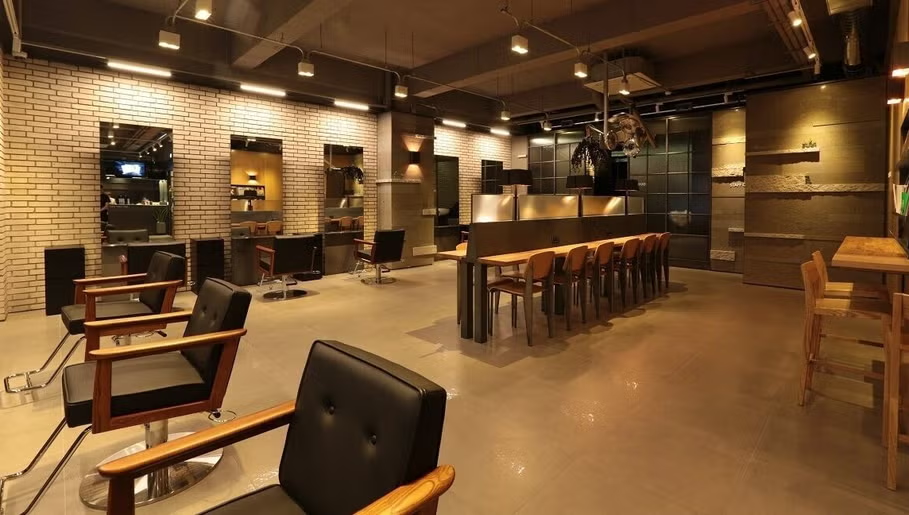
  • Korean Hair Salon Culture: What You Should Know Before You Go

    Getting a haircut in Korea isn’t just about trimming your hair — it’s an experience.
    From the moment you walk in, Korean hair salons offer a level of service, detail, and technology that often surprises newcomers. Whether you’re here for a semester, a work assignment, or long-term living, here’s what makes Korean hair salons unique and what to expect on your first visit.


    1. Most salons are walk-in friendly — but popular ones require booking

    You can walk into many local salons without an appointment, especially in residential areas.
    However, trendy or well-known shops in places like Hongdae, Gangnam, or Seongsu often require online booking, sometimes through Naver or Instagram DMs.
    Many salons also list their stylists, portfolios, and price ranges online — choosing a stylist, not just a shop, is common.


    2. The service starts before the haircut

    Once seated, you’ll often be offered a drink, a blanket, even a phone charger.
    Stylists usually consult in detail — asking about preferred length, volume, texture, and even your drying routine.
    They’ll show sample photos on an iPad and confirm step by step, especially if you’re a foreigner unfamiliar with Korean hair trends.

    Korean salons are known for their stylish interiors and top-tier service — brands like JUNO Hair, Lee Chul Hairkerker, and Park Seung-chul Hair Studio are among the most famous nationwide.

    3. Shampoo happens at the bowl — not the sink

    Instead of leaning backward into a sink, you’ll likely be guided to a separate reclining shampoo chair.
    Most salons include scalp massage, warm towels, and hair steaming in the basic shampoo service – without extra charge!
    Some premium salons even offer aroma scalp spa, LED scalp care, and personalized tonic sprays.


    4. Digital perms and C-curls are everywhere

    Korean perms are not the tight curls many foreigners imagine.
    Instead, you’ll hear terms like “C-curl,” “S-curl,” “see-through bangs,” or “Root volume perm.”
    These styles focus on natural waves and soft volume — a big reason Korean perms are popular worldwide.


    5. Price ranges vary widely

    • Small neighborhood salon: ₩20,000–₩40,000 for a basic cut
    • Mid-range trend salon: ₩40,000–₩80,000
    • Luxury Gangnam salon: ₩100,000+ (and perms can go far beyond that)
      Foreigners sometimes notice: stylists wash your hair, cut it, dry it, and style it themselves — instead of switching staff mid-way. It’s part of the “one-person system” that many salons follow.

    6. Tipping is not expected

    Unlike in many Western countries, tipping is not part of Korean salon culture.
    A sincere “감사합니다!” is enough, and some people leave a good review instead.


    Quick Tips Before You Go

    • Bring a photo — Korean stylists love visual references.
    • If you have very curly or textured hair, choose a salon experienced with global styles (search “foreigner-friendly hair salon Seoul”).
    • Many salons open until 9–10 PM, especially in big cities.

    Whether you’re getting your bangs trimmed or a full digital perm, Korean hair salons turn a simple haircut into a relaxing, carefully guided experience.
    It’s no wonder people say: “You don’t just get your hair done — you get pampered.”

  • Outlet Destinations Near Seoul for a Stylish Shopping Day Trip

    If you’re looking to combine shopping and a relaxing day out, Seoul’s suburban outlets offer a perfect escape. Away from the buzz of the city but still within easy reach, these destinations deliver premium brands, scenic surroundings, and unique experiences—all at outlet prices. Whether you’re on the hunt for luxury bargains, a peaceful lakeside stroll, or a last-minute shopping spree before your flight, here are four outlets near Seoul worth adding to your itinerary.


    1. Yeoju Premium Outlets (신세계 여주 프리미엄 아울렛)

    As Korea’s first and largest premium outlet, Yeoju Premium Outlets remains the pinnacle of suburban shopping. It offers the widest selection of luxury brands including Gucci, Prada, Moncler, and Balenciaga, alongside top Korean brands like Wooyoungmi—whose only dedicated outlet store in Korea can be found here. It also ranks as the top-performing outlet in the country.

    Yeoju itself is known for its high-quality rice, and just near the outlet you’ll find several traditional hanjeongsik (Korean full-course set meal) restaurants. After shopping, sitting down to a hearty Korean-style meal is the perfect way to end the day.

    Getting there is also simple: direct buses run from Seoul Express Bus Terminal (about 1 hour, one-way for ₩6,400), and Hana Tour offers charter buses from Hongdae and Hoehyeon Station (round-trip for about $10).


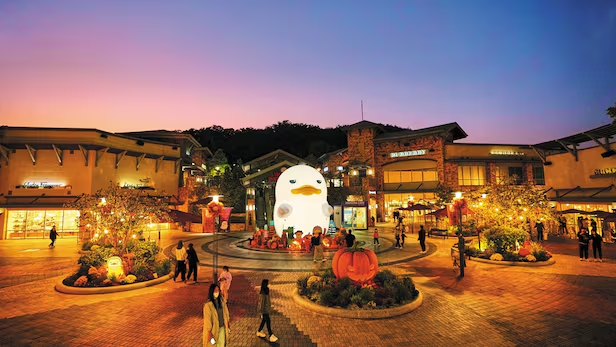
    2. Lotte Premium Outlets – Uiwang Branch (롯데 프리미엄 아울렛 의왕점)

    Located just an hour from Gangnam, this outlet blends shopping with relaxation under its “rest in nature” concept. Featuring brands like Max Mara, Coach, and Etro, the structure incorporates open-air walkways that blend seamlessly into the surrounding greenery. Nearby attractions, such as Baegun Lake and Uiwang Moomin Park, also make it a fun day trip destination.

    If you’re staying in Gangnam, Uiwang is especially convenient to visit—just hop on the G3900 bus at Yangjae Station, and you’re there in about an hour. It’s ideal for those seeking a stress-free escape from the city without venturing too far.


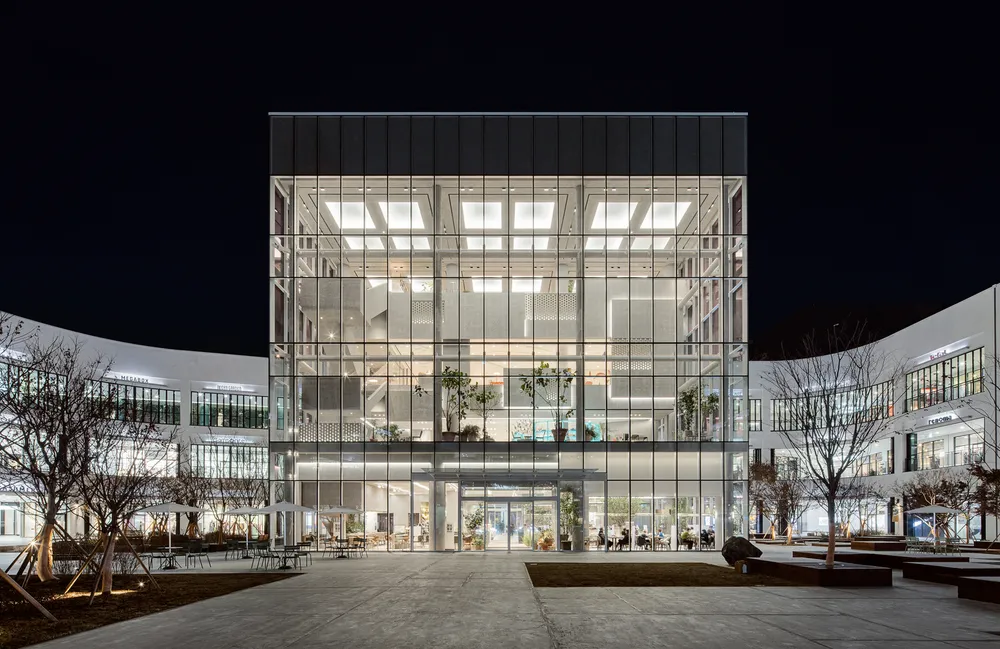
    3. Hyundai Premium Outlets – SPACE 1 (현대 프리미엄 아울렛 스페이스원)

    SPACE 1 stands out from other outlets with its “vertical mall” design—it’s a multi-level complex featuring luxury brands like Valentino, Hugo Boss, and Vivienne Westwood, alongside Korean favorites like Beanpole and Hazzys. There’s even a Megabox Dolby Cinema on-site, making it a perfect place to mix shopping and entertainment.

    Located near Dasan Station on Seoul Metro Line 8, it’s incredibly accessible if you’re staying in areas like Jamsil or the southeastern part of Seoul. Spend the day browsing, catch a movie, and enjoy a relaxing dining experience—all under one roof.


    4. Hyundai Premium Outlets – Gimpo Branch (현대 프리미엄 아울렛 김포점)

    Just a short taxi ride from Gimpo or Incheon Airports, this outlet is a popular pre-departure shopping spot for foreigners. It houses an impressive lineup of brands including Gucci, Burberry, Jimmy Choo, Tod’s, Max Mara, Salvatore Ferragamo, and more. There’s also a specialized golf section, making it a must-visit for golf enthusiasts seeking apparel or equipment at great prices.

    While public transportation options may require more transfers, if you’re staying in southwest Seoul (e.g. Yeouido or Sindorim), a taxi will get you here in 20–30 minutes for ₩10,000–20,000—very reasonable for the convenience. Keep an eye out for special events like the Riverside Fireworks Festival at the WEST Water Plaza during seasonal celebrations.


    Whether you’re a dedicated bargain hunter or just love exploring new shopping destinations, these four outlets near Seoul offer more than just discounts. They blend premium retail, culture, and nature—all within reach of the city. Perfect for day trips, weekend plans, or a stylish detour before your flight, they’re a great way to experience a different side of Korea’s shopping scene.

  • Three Christmas Markets to Explore in Seoul This Winter

    Unlike many European cities, Christmas markets are not a deeply rooted tradition in Korea. One reason is simple: Korean winters are brutally cold, especially in December, making long outdoor activities less appealing. As a result, Christmas markets have never fully developed into a nationwide seasonal culture.

    Still, if you are visiting Korea this winter and want to experience a festive atmosphere outdoors, there are three Christmas markets in Seoul worth noting.

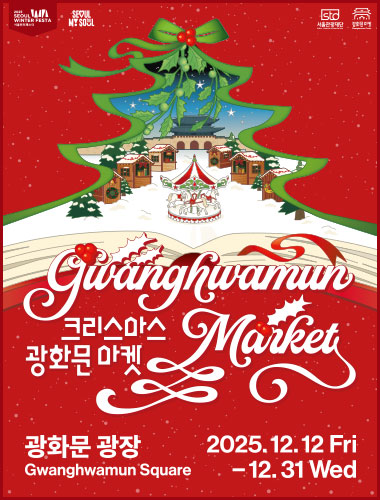
    1. Gwanghwamun Christmas Market – The Biggest in Seoul

    This is the largest and most official Christmas market in Seoul, hosted directly by the city government and held in Gwanghwamun Square from December 12 to 31, 2025. The event runs for 20 days and is divided into three themed periods, each bringing in 45 small-business vendors plus a Santa Village exhibition. Visitors will find Christmas ornaments, seasonal snacks, collaboration booths, and even a carousel set up in the middle of the plaza.

    The atmosphere becomes especially festive after sunset, when holiday lights, music, and photo zones transform the historic square into a winter fairground. Different vendors appear each week, so even repeat visitors will experience something new. If you want to feel the holiday spirit outdoors at least once during your Seoul trip, this is the one to see.

    2. Lotte Town Christmas Market in Jamsil – A Winter Festival with Heart

    Located on the lawn of World Park Plaza next to Lotte World Tower, the Lotte Town Christmas Market runs from November 20, 2025, to January 4, 2026—one of the longest-running holiday events in the city. This Christmas market blends outdoor charm with the convenience of a giant multi-purpose complex, making it easy to enjoy even on freezing winter days.

    Everyday highlights include the “Heart Light Show,” where a moving heart-shaped display and a giant Christmas tree light up the plaza three times a day, and a magical “Snow Shower” effect that sends white flakes falling around the tree five times daily. There’s also a two-story carousel that adds a nostalgic glow to the space. Pop-up food stalls, gift shops, and seasonal desserts line the walking area, offering plenty of warm snacks and holiday treats to enjoy between photos. If you’re looking for a market that feels like a mini winter theme park—without leaving the city—this one’s a perfect pick.

    3. French Christmas Market in Seorae Village – A Warm Community Feel

    Seorae Village is known as Seoul’s “Little France,” home to many French residents and the French international school. For years, the community has hosted a charming Christmas market that feels more like a neighborhood holiday fair than a commercial event.

    If you want to experience a European-style market with mulled wine, handmade crafts, and a small-village vibe, this is the place. Think of it as a weekend stroll in a French town square—right in southern Seoul.

    This year’s exact schedule hasn’t been confirmed yet, but based on past years, it will likely take place in early to mid-December. If you’re interested, keep an eye on updates and plan a visit when the dates are announced.

  • Celebrate with a Bang: Hanwha Eagles’ 40th Anniversary Fireworks Festival in Daejeon

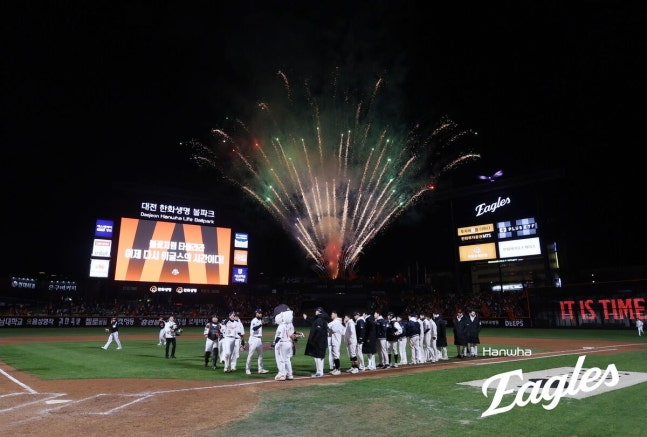
    On November 30, 2025, the city of Daejeon will light up with a spectacular fireworks festival hosted by the Hanwha Eagles, one of Korea’s beloved professional baseball teams. In celebration of the team’s 40th anniversary, the festival promises an unforgettable night along the Gapcheon River near Expo Park, starting at 7:00 PM.

    A night when baseball magic meets fireworks – the Hanwha Eagles celebrate 40 years with a sky full of color in Daejeon.

    Visitors can look forward to a dazzling 30-minute multimedia drone show followed by a grand fireworks display. This fusion of modern drone technology with traditional pyrotechnics makes for a unique experience that goes beyond a typical fireworks show.

    Starting at 4:00 PM on the same day, there will also be a special fan signing event for 2025 season membership holders. Details about the venue and participation method will be announced soon via the team’s official social media channels, so keep an eye out if you’re planning to attend.

    The event is not just for baseball fans. According to Hanwha Eagles, the purpose behind this celebration is to give back: “Our goal has always been to bring joy and happiness to the lives of our fans and the citizens of Daejeon. This festival is our way of saying thank you for 40 years of love and support.”

    Whether you’re a baseball lover, a festival enthusiast, or just in search of a memorable night out in Korea, this event is one not to miss. Bring your friends, find a cozy spot along the riverside, and immerse yourself in a colorful evening of celebration and community spirit.

    Event Snapshot

    • Date & Time: November 30, 2025, 7:00 PM
    • Location: Gapcheon River (near Expo Park), Daejeon
    • Highlights: Multimedia drone show, fireworks display, fan signing event (from 4:00 PM)

    Mark your calendar and get ready to experience Daejeon like never before!

  • Where to Catch Express and Intercity Buses in Seoul: A Guide for Travelers

    For many travelers, trains like KTX and SRT are the go-to options for exploring other parts of Korea. But intercity and express buses are another excellent — and often more flexible — way to reach cities that fast trains don’t directly serve. Seoul has several major bus terminals, each connecting to different regions of the country. Knowing which one to use can save you both time and confusion. Here’s a guide to the three main terminals in Seoul that every traveler should know.


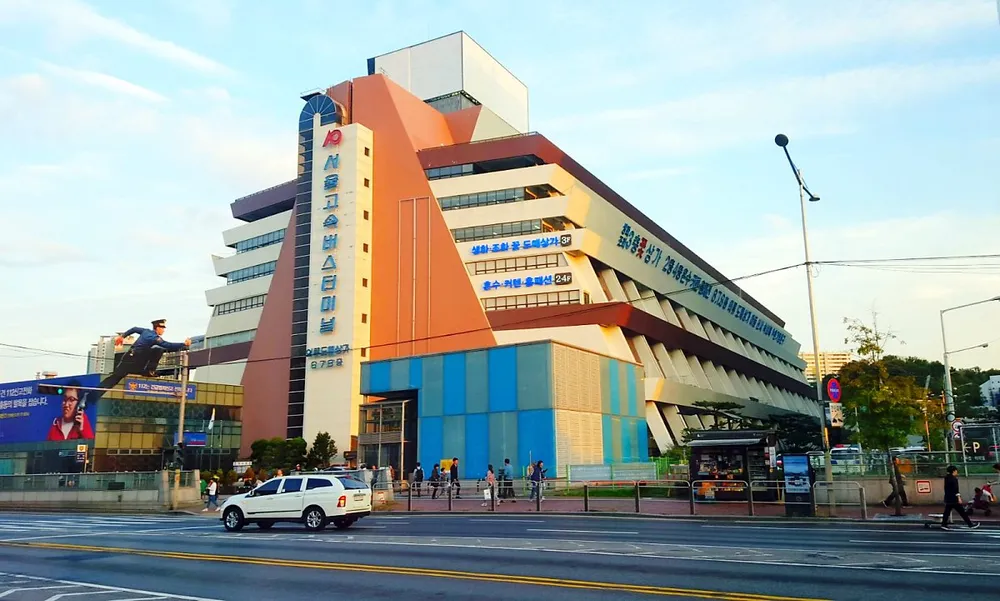
    1. Seoul Express Bus Terminal (고속버스터미널) – The Largest and Most Iconic

    Located in Gangnam’s Banpo area, the Seoul Express Bus Terminal is not only the city’s biggest transportation hub but also a notable architectural landmark. The massive concrete structure, originally designed in a brutalist style reminiscent of a monumental pyramid, once represented Korea’s modernist ambitions in the 1970s and even drew international attention at the time. Over the years, however, parts of the raw concrete exterior have been painted over, softening the stark aesthetic — a change that some architecture enthusiasts still debate today as Korea’s interest in brutalism resurges.

    Functionally, the terminal is divided into two main zones: Central City Terminal (센트럴시티) and Gyeongbu Line Terminal (경부선 터미널), each serving different destinations across the country. It connects to Subway Lines 3, 7, and 9, providing easy access from most parts of Seoul. Inside, you’ll find Shinsegae Department Store, the popular Goto Mall underground shopping arcade, and countless cafés and restaurants — making it one of the most vibrant yet practical gateways for travelers.


    2. Dong Seoul Bus Terminal (동서울터미널) – For the East and the Mountains

    Located in Gwangjin-gu near Gangbyeon Station (Line 2), Dong Seoul Bus Terminal mainly serves eastern and northern destinations, including Gangneung, Sokcho, Chuncheon, Wonju, and Taebaek. It’s the go-to hub for those planning trips to Gangwon Province, famous for its mountains, ski resorts, and coastal scenery.

    One unique aspect of Dong Seoul Terminal is its atmosphere — since Gangwon-do hosts many military bases, it’s quite common to see soldiers traveling to and from their posts, which gives the terminal a distinct local character.

    The terminal sits next to Technomart, an electronics and shopping complex, with plenty of restaurants and cafés nearby. For travelers staying in Jamsil, Songpa, Konkuk University or eastern Seoul, this terminal offers the fastest and most convenient way to reach the country’s eastern regions.


    3. Nambu Bus Terminal (남부터미널) – Compact and Efficient

    Located right by Nambu Terminal Station on Subway Line 3, this terminal is smaller and simpler than the other major ones but offers excellent efficiency. It mainly serves smaller cities and towns in the southern regions, including Cheonan, Gongju, Jinju, and Buyeo.

    Because of its size, Nambu Bus Terminal is easy to navigate, with shorter lines and a more relaxed atmosphere. Facilities include convenience stores, bakeries, and small restaurants — enough to make your wait comfortable without the overwhelming crowds of larger terminals. For those staying around Gangnam or southern Seoul, it’s often the most practical option for short or regional trips.


    Takeaway

    Seoul’s express and intercity bus terminals each serve different regions of Korea — from the southern coast to the eastern mountains. Whether you’re catching a long-distance bus to Busan or heading to a quiet town in Gangwon-do, choosing the right terminal can save valuable time and make your journey smoother.

  • Where to Catch KTX and SRT Trains in Seoul: A Traveler’s Guide

    Many travelers visiting Seoul assume that all KTX (Korea Train Express) trains depart from Seoul Station. In reality, there are several major train stations in and around the city where high-speed trains — including both KTX and SRT — depart for destinations across the country. Depending on where you stay in Seoul, a different station might be more convenient or faster to reach. Here’s a breakdown of the key high-speed train stations you should know.


    1. Suseo Station (수서역) – Gateway to the South via SRT

    Suseo Station, located in southeastern Seoul, is the starting point of the SRT (Super Rapid Train) — a high-speed service similar to KTX, connecting Seoul with cities like Busan, Daegu, and Gwangju. Operated by a different company than KTX, SRT trains often offer faster travel times for southern routes since they take a more direct path from Gangnam.

    For travelers staying in Gangnam, Jamsil, or southeastern Seoul, Suseo Station can be far more convenient than Seoul Station. You can reach it easily by Subway Line 3 (Orange) or the Suin–Bundang Line (Yellow). However, SRT tickets tend to sell out quickly, especially during weekends or holidays, so it’s wise to book in advance through the official SRT website or app.


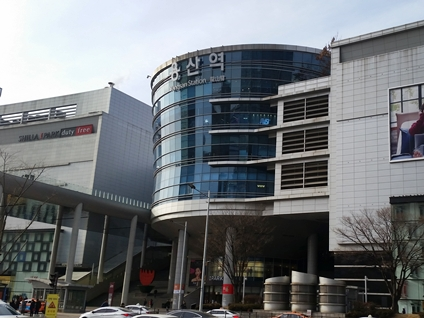
    2. Yongsan Station (용산역) – Trains to the Honam Region

    Located near the Han River, Yongsan Station is another major hub for KTX, particularly serving the Honam Line, which connects Seoul to destinations in the southwest such as Gwangju, Mokpo, and Jeonju.

    Beyond being a transportation hub, Yongsan Station is part of a massive complex that includes I’Park Mall, Shilla I’Park Duty Free Mall(신라아이파크면세점), a CGV IMAX theater, electronic stores, and numerous restaurants — making it one of the most dynamic places to spend time before your train. It’s ideal for travelers who want to combine travel with shopping or entertainment, especially those heading toward Korea’s southern regions.


    3. Cheongnyangni Station (청량리역) – For Gangneung, Andong, and Beyond

    Situated in eastern Seoul, Cheongnyangni Station serves as the starting point for KTX lines heading east, including the Gangneung Line (popular among travelers visiting Gangneung’s beaches) and the Jungang Line, which connects to scenic inland cities like Jecheon and Andong — both known for their nature, traditional culture, and hiking spots.

    The station is directly connected to Lotte Department Store, making it a great stop for shopping or grabbing a meal before departure. If you’re staying around Dongdaemun, Nowon, Hoegi or the eastern part of Seoul, Cheongnyangni Station is often much easier to reach than Seoul Station.


    4. Gwangmyeong Station (광명역) – Convenient for Southern Gyeonggi and Incheon

    Although technically outside Seoul, Gwangmyeong Station is an important stop for many KTX trains that originate from Seoul Station. Located in the southern metropolitan area, it’s closer to Anyang, Gwacheon, and parts of Incheon.

    One of the best features for international travelers is that direct airport limousine buses connect Incheon International Airport to Gwangmyeong Station. This makes it extremely convenient for those heading directly from the airport to another city — or returning from the Southern region straight to the airport — without needing to go through downtown Seoul.


    Takeaway

    When traveling by high-speed rail in Korea, it’s worth checking not just your destination but which station your train departs from. Whether you’re exploring the beaches of Gangneung, the cultural heart of Andong, or the southern cities like Busan and Gwangju, choosing the right station in Seoul can save time and make your journey smoother — and sometimes, much more enjoyable.

  • Exploring Seoul by River: The Return of the Han River Bus

    If you’ve ever walked along the Han River and wondered what it would be like to travel across it — not just beside it — Seoul now gives you that chance. The Han River Bus (한강버스) has officially resumed operation, offering a fresh, scenic way to explore the city. More than just public transportation, it’s a moving viewpoint of Seoul’s skyline, parks, and bridges — perfect for international students or travelers looking for a new way to experience the city.


    1. What Is the Han River Bus?

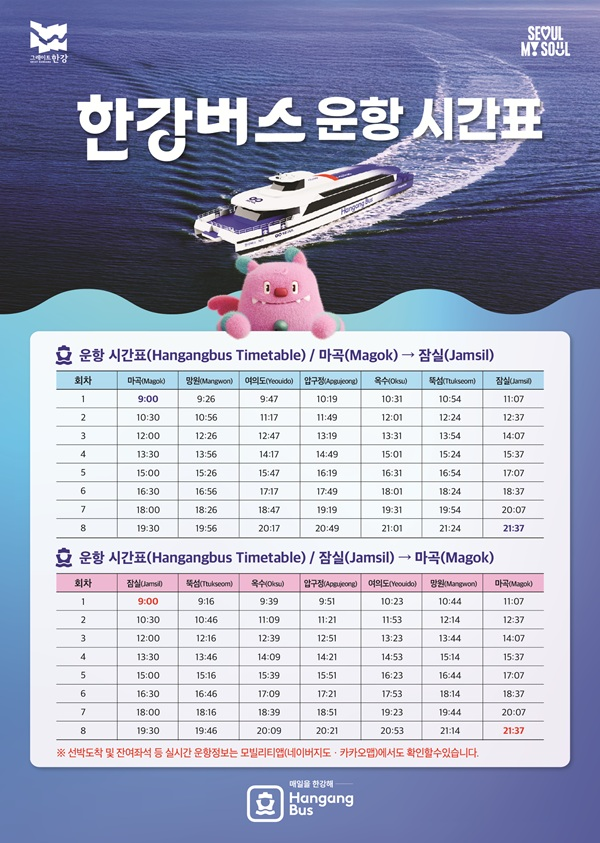
    After years of planning and a trial phase, the Han River Bus officially returned to service in November 2025. Operated by the Seoul Metropolitan Government, the route runs roughly 28.9 kilometers, connecting major riverfront districts from Magok in the west to Jamsil in the east.

    Currently, there are about 14 trips per day, with intervals of roughly one hour. As ridership grows, Seoul plans to expand the service to include express lines during commuter hours and additional weekend sailings.

    Think of it as a hybrid between a ferry and a bus — affordable, comfortable, and full of beautiful city views.


    2. Why You Should Try It

    For foreign residents or travelers, the Han River Bus isn’t just a ride — it’s a chance to see the rhythm of local life along the water. You’ll glide past riverside parks, cycling paths, and Seoul’s most famous bridges, all while avoiding traffic and subway crowds.

    Seoul’s roads can get heavily congested during rush hours, and subways are often packed to capacity. The Han River Bus offers a calm, scenic alternative to the usual city commute — a way to travel across Seoul without the stress of traffic jams or crowded trains.

    The route connects several must-see districts, so it can double as a mini city tour. It’s also a fun, eco-friendly alternative for your weekend outings with friends or visiting family.


    3. Routes and Dock Stops

    The main route runs between seven key docks:
    Magok → Mangwon → Yeouido → Apgujeong → Oksu → Ttukseom → Jamsil

    Each dock connects easily to nearby subway stations and city buses, and some — like Magok, Apgujeong, and Jamsil — even offer free shuttle buses from the nearest stations.

    An express route is scheduled to open soon, stopping only at major docks like Magok–Yeouido–Jamsil for faster commuting.


    4. Ticket Prices and Payment

    • Adult fare: ₩3,000
    • Youth (13–18 years): ₩1,800
    • Children (6–12 years): ₩1,100

    Payment is made via transportation cards such as T-money or compatible apps — cash is not accepted.

    If you’re already using the Climate Companion Card (기후동행카드), you can add just ₩5,000 for unlimited Han River Bus rides within its validity period. It’s an affordable and sustainable option for frequent travelers.


    5. Travel Tips

    • Best time to ride: Late afternoon for sunset views, or after dark for the illuminated bridges and night view of the city.
    • Bring your T-money card: No card, no boarding.
    • Check schedules online: Timetables may change with weather or events.
    • Accessibility: Onboard spaces are designed for strollers, wheelchairs, and even bicycles.

    6. A New Way to See Seoul

    The Han River Bus isn’t just transportation — it’s part of Seoul’s new identity, reconnecting the city with its most iconic landmark. It’s also a comfortable and affordable way to explore, relax, and see Seoul from a new angle.

    And for daily commuters, it can be a refreshing alternative to the city’s congested roads and crowded subways, especially during rush hours. You can skip the gridlock, enjoy the breeze, and still get where you need to go — all while taking in one of the best views Seoul has to offer.

    Whether you’re commuting to class or work, heading to Yeouido for a picnic, or simply chasing sunset views over the river, the Han River Bus gives you a journey worth taking — one wave at a time.

  • Experience Seoul Eco Hiking Festa 2025 — A Cultural Walk on Namsan

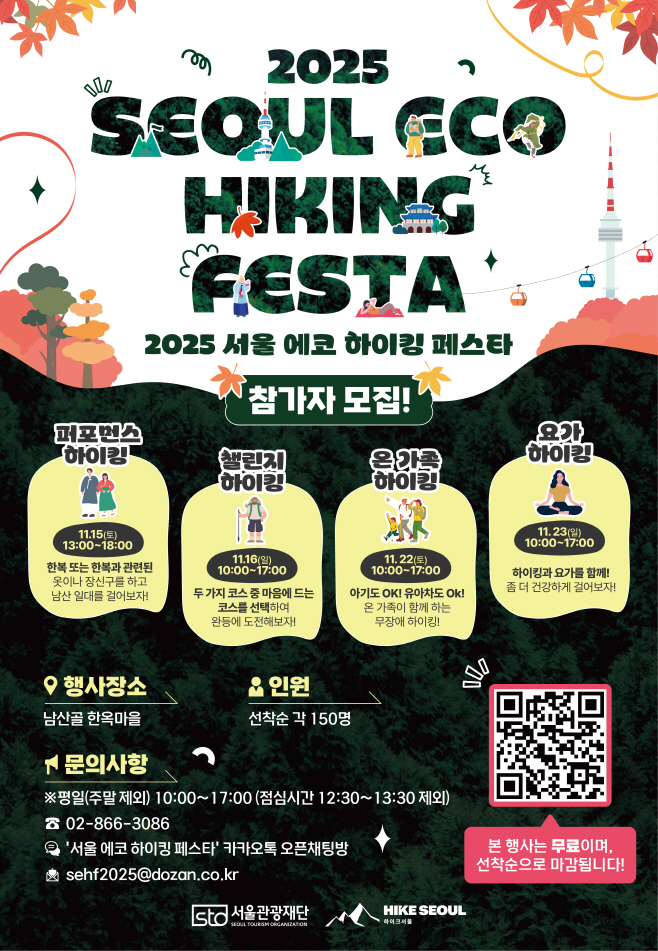
    This November, Seoul invites you to step into autumn with Seoul Eco Hiking Festa 2025, a one-of-a-kind event that blends the beauty of nature with Korean culture. Hosted by the Seoul Tourism Organization, the festival will take place across two weekends — November 15–16 and November 22–23 — at Namsangol Hanok Village, right at the foot of Namsan Mountain.

    The event is designed for everyone — locals, families, and international visitors — to enjoy Seoul’s hiking culture in a fun, eco-friendly, and inclusive way (all free of charge!).

    But among its various programs, one event stands out as a true highlight for foreign participants: the Performance Hiking experience.


    The Highlight: “Performance Hiking” — Hike in Hanbok

    On November 15 (Saturday), the festival will open with the Performance Hiking event — a special cultural walk where participants wear hanbok (traditional Korean attire) or hanbok-inspired accessories and hike together through the autumn trails of Namsan.

    Imagine walking up the mountain paths surrounded by crimson and gold leaves, with hikers dressed like travelers from the Joseon Dynasty. This is more than a hike — it’s a living cultural performance where history meets nature.

    Along the way, participants will enjoy street-style traditional performances, including madangnori (Korean folk plays) and storytelling theater inspired by old Korean folktales. These small cultural moments turn the hike into an immersive experience that connects past and present Seoul.

    Whether you’re a tourist discovering Korea for the first time or a long-term resident looking for something truly local, this event is the perfect way to explore the heart of Seoul in a new light.


    More Themed Hikes Throughout the Festival

    • Nov 16 (Sun): Challenge Hiking – Choose between two scenic Namsan routes, complete your challenge, and earn a small souvenir.
    • Nov 22 (Sat): Family Hiking – A barrier-free course where parents and children, even those with strollers, can join.
    • Nov 23 (Sun): Yoga Hiking – A refreshing blend of hiking, yoga, and mindfulness practice in the crisp autumn air.

    All programs are free of charge, and registration is available through an online form until November 10. Limited on-site registration may also be open if cancellations occur.


    Venue and Participation Info

    • Location: Namsangol Hanok Village (남산골 한옥마을)
    • Registration: Free / First-come, first-served (150 participants per event) | Register via QR Code in the poster
    • Inquiries: sehf2025@dozan.co.kr | KakaoTalk: “서울 에코 하이킹 페스타”
    • Language: Friendly for both Korean and international participants

    Why You Should Join

    Seoul Eco Hiking Festa is more than just a hike — it’s a celebration of Seoul’s green spaces and cultural spirit. The Performance Hiking in particular offers something you can’t find anywhere else: the chance to wear hanbok, explore Namsan’s scenic trails, and be part of a vibrant cultural exchange between locals and visitors.

    So lace up your shoes, tie your hanbok ribbon, and get ready to experience Seoul’s autumn like never before.