Category: Living deep in Korea

  • The Trash Bag Scuffle: Why Korea’s “Standard Plastic Bag” Panic is a Storm in a Teacup

    If you’ve walked into a Korean convenience store lately and found the trash bag section looking a bit sparse, you might have felt a flicker of localized panic. Yes, the rumors are true: South Korea is currently grappling with a “Standard Plastic Bag” (Jong-ryang-je) supply hiccup.

    The catalyst? Geopolitical friction thousands of miles away. The ongoing conflict between Iran and the United States has destabilized the global naphtha market. Since naphtha is the primary feedstock for polyethylene—the very stuff your trash bags are made of—production costs have spiked.

    However, before you start hoarding rolls of 20L bags under your bed, here is why the “crisis” is more of a temporary logistical knot than a national emergency.


    1. The “Contract Price” Bottleneck

    The current shortage isn’t due to a lack of plastic; it’s a matter of paperwork.

    • The Issue: Manufacturers purchase raw materials at high market prices, but they sell the finished bags to local governments at fixed “contract prices” set by the Public Procurement Service.
    • The Friction: With raw material costs surging, manufacturers were essentially losing money on every bag produced, leading to a temporary slowdown in supply.
    • The Fix: The Ministry of Climate, Energy, and Environment has already stepped in. They are currently fast-tracking adjustments to these contract prices to reflect the rising cost of polyethylene, ensuring manufacturers can get back to full-scale production immediately.
    A public notice from a local district (Dobong-gu, Seoul) reassuring citizens that there is no need to worry about the supply of standard trash bags, encouraging people to buy only what they need.

    2. Your Wallet is Safe

    Here is the most important takeaway for residents: The price you pay at the mart will not change. In Korea, the price of a trash bag isn’t dictated by the cost of plastic. Instead, it is a “waste treatment fee” determined by local government ordinances. The actual material cost of the bag represents a tiny fraction of the total price; the majority of what you pay goes toward labor, transport, and administrative costs for waste disposal.

    3. The Government’s “Safety Net” Strategy

    The government is playing a high-stakes game of “Inventory Tetris” to keep things moving.

    • Inventory Sharing: Local governments often store “roll-type” bags that aren’t yet printed with specific district names. This allows the Ministry to shift stock from regions with surpluses to those facing temporary shortages.
    • Sufficient Supply: Minister Kim Seong-hwan recently confirmed that total national reserves and raw material stocks are more than sufficient. The “shortage” is a distribution delay, not a resource depletion.

    A Message of Calm

    There was some initial mixed messaging—a brief mention of purchase limits followed by a swift clarification from the Blue House that no such limits are necessary. While the bureaucratic gears took a second to align, the strategy is now clear: stabilize the supply chain, adjust the procurement rates, and keep the bins moving.

    The Bottom Line: Korea’s waste management system is one of the most robust in the world. While global tensions have caused a ripple in the supply chain, the government is actively smoothing the waters.

    Our advice? Buy what you need, leave the rest for your neighbors, and rest assured that the system isn’t going anywhere. There’s no need for a “bag run” today.

  • A Historic Shift: Korea Removes Nationality-Based Discrimination for Overseas Koreans as H-2 and F-4 Visas Merge

    For decades, overseas Koreans living in Korea have shared a quiet but persistent frustration: their legal status depended not only on ancestry, but on country of origin. Two people with the same roots could face very different rights, work options, and futures—simply because one came from one country and the other from another. That system is now coming to an end.

    On February 12, Korea officially implemented the long-awaited integration of overseas Korean visa statuses, unifying the H-2 (Working Visit) and F-4 (Overseas Korean) visas into a single F-4 status. According to Ministry of Justice, this reform is designed to eliminate nationality-based discrimination and create a fairer, more coherent system for the 860,000 overseas Koreans currently living in Korea.


    From “Where Are You From?” to “You Are an Overseas Korean”

    Under the old system, visa eligibility and work rights differed sharply depending on country of origin. Some overseas Koreans could freely obtain an F-4 visa, while others—particularly from China or former Soviet states—had to meet additional income, education, or career requirements. If they failed to meet those thresholds, they were pushed into the H-2 system instead.

    This division was widely criticized for years as discrimination based on birthplace and socioeconomic status, not on cultural or historical ties to Korea. Civil society groups, academics, and overseas Korean communities repeatedly warned that the system created a hierarchy among overseas Koreans themselves.

    With the new reform, all overseas Koreans—regardless of nationality—are eligible for the same F-4 status. The government has explicitly stated that the reform aims to resolve long-standing disputes over unequal treatment.


    What the Integration Actually Changes

    The integration is not symbolic—it has immediate, practical effects.

    • H-2 visas will no longer be newly issued
    • Current H-2 holders can switch to F-4 even before their stay expires
    • Legal status is now unified under a single category: Overseas Korean (F-4)

    This removes the structural divide that treated overseas Koreans differently depending on where they were born or which passport they held.


    Ending “Job Discrimination” Linked to Visa Type

    Previously, even after upgrading from H-2 to F-4, many people faced a new paradox:
    they gained long-term stability but lost the right to do the very jobs they had been doing.

    The reform addresses this too.

    Although some job restrictions remain, 10 simple labor occupations—including construction labor, manual packaging, cargo handling, and basic service roles—are now explicitly opened to F-4 holders. This marks a major policy reversal and acknowledges real labor market needs without dividing overseas Koreans into “acceptable” and “restricted” groups.


    Recognition of Long-Term Belonging, Not Temporary Labor

    Beyond work rights, the policy also sends a deeper message: overseas Koreans are no longer viewed primarily as a temporary workforce.

    To support long-term settlement:

    • Residence periods will vary (1–3 years) based on Korean language ability and social integration
    • Income requirements for permanent residency (F-5) will be relaxed for those with strong Korean skills or meaningful volunteer service

    These incentives are meant to reward integration and contribution, not nationality or background.


    How Overseas Korean Communities Are Responding

    Overseas Korean organizations have broadly welcomed the reform—calling it late, but historic. Some groups described it as the most significant change since the Working Visit system was introduced nearly 20 years ago. Many emphasized that this reform finally acknowledges what had long been argued: that dividing overseas Koreans by country of origin was an institutionalized inequality.

    At the same time, community leaders are calling for next steps—clear guidance, consistent communication, further easing of job restrictions, and policies that reduce information gaps, which they argue can themselves become another form of discrimination.


    Why This Matters, Even If You’re Just Watching Korea

    This reform is about more than visas. It reflects a broader shift in how Korea understands identity, fairness, and belonging in a globalized era. By formally removing nationality-based distinctions among overseas Koreans, Korea is taking a step—slow but meaningful—toward aligning law with lived reality.

    For overseas Koreans, it changes daily life.
    For future migrants, it reshapes expectations.
    And for observers, it signals a rare moment when long-standing structural inequality is openly acknowledged—and corrected.

  • Using a One-Day Pass at a Korean Gym: What Travelers Should Know Before You Go

    If you’re visiting Korea and want to keep up your workout routine, using a gym one-day pass (1일권) can be a practical option. Whether you’re staying short-term, traveling between cities, or simply don’t want a long membership, many Korean gyms allow walk-in access for a daily fee. Still, there are a few local customs and practical details worth knowing before you step inside.


    1. Typical Price Range for One-Day Passes

    In most private gyms across Korea, a one-day pass usually costs 10,000 to 30,000 KRW. The price depends on location, facility quality, and included amenities. Gyms in central Seoul or newer boutique fitness centers tend to be on the higher end, while neighborhood gyms are often more affordable.

    If you’re looking for a budget option, public sports centers operated by city or district governments can be a great choice. These facilities often charge under 10,000 KRW for daily access and still offer solid equipment and clean facilities. They may feel more local and less commercial, which can be part of the cultural experience.


    2. Walk-In Access Is Common

    One convenient aspect of Korean gyms is that many allow walk-in entry without a reservation, especially for one-day passes. You typically pay at the front desk, show your ID, and receive a locker key. Some gyms may ask you to fill out a simple health questionnaire or waiver form.

    Still, during peak hours—usually weekday evenings—it’s wise to call ahead if you want to be certain there’s space, particularly in smaller gyms.


    3. Indoor Shoes Are Often Required

    One detail that surprises many visitors is that Korean gyms often require separate indoor sneakers. Wearing the same shoes you walked in with may not be allowed, as gyms aim to keep floors clean. Bringing lightweight workout shoes in your bag is a good habit when visiting Korean fitness facilities.


    4. Towel and Locker Policies Can Differ

    Unlike some countries where towels are freely provided, Korean gyms vary in their policies. Some offer small towels at no extra cost, while others may charge a small rental fee or expect you to bring your own. Lockers are usually included with a day pass, but sizes can be compact, so packing light helps.


    5. Gym Etiquette You’ll Notice

    Korean gym culture places strong emphasis on consideration for others. After using machines, wiping them down is common courtesy. Loud conversations or phone calls are generally avoided. Many people also spend time stretching before and after workouts, sometimes longer than expected, especially older members.

    You may also notice that personal trainers are quite active on the gym floor, offering guidance to their clients. Even if you’re just visiting for a day, staff are often willing to briefly explain how equipment works if you ask politely.


    6. Shower Facilities Are Usually Available

    Most Korean gyms include locker rooms with showers, which makes it easy to freshen up after a workout. Bringing simple toiletries—like a small towel, flip-flops, or personal shampoo—can make the experience more comfortable, especially in public sports centers where amenities are more basic.


    Final Thoughts

    Using a one-day gym pass in Korea is straightforward, flexible, and accessible for visitors. With reasonable prices, walk-in convenience, and clean facilities, it’s easy to maintain your routine while traveling. Knowing a few local customs—like bringing indoor shoes and understanding towel policies—helps you blend in smoothly and enjoy the experience without surprises.

  • Winter Hot Spring Getaways in Korea: Three Classic Destinations to Warm Up Your Trip

    Winter travel in Korea isn’t only about snow, food, and city lights. There’s another, quieter pleasure that locals have enjoyed for centuries: hot spring travel. As temperatures drop, soaking in naturally heated mineral water becomes one of the most satisfying ways to relax, recover from travel fatigue, and experience a deeper layer of Korean history and culture.

    If you’re visiting Korea in winter, these three hot spring towns are especially worth considering.


    1. Onyang Hot Spring (온양온천), Asan

    Korea’s oldest recorded hot spring with royal history

    Onyang Hot Spring in Asan is widely recognized as the oldest hot spring in Korea, with records dating back more than 1,300 years to the Three Kingdoms period. It later became a royal hot spring reserved for the Joseon Dynasty, used by kings and royal family members. The water here is sulfur-rich, traditionally believed to help with skin conditions, fatigue recovery, and circulation.

    One of Onyang’s biggest strengths is accessibility. You can reach Onyang Oncheon Station directly via Seoul Metropolitan Subway Line 1, making it one of the easiest hot spring trips from Seoul. Intercity buses from Seoul also arrive at Asan Bus Terminal, from which the hot spring area is just a short ride away. Thanks to this convenience, Onyang is ideal for a relaxed overnight stay or even a slow-paced day trip.


    2. Suanbo Hot Spring (수안보온천), Chungju

    Naturally hot water and a classic winter pairing: pheasant cuisine

    Suanbo Hot Spring has been used since the Goryeo Dynasty and is known for its exceptionally high water temperature. The natural spring water emerges at around 50°C, and even in the depths of winter, bath temperatures often stay above 40°C, making it especially appealing during cold weather.

    Beyond soaking, Suanbo is also famous for pheasant dishes, a local specialty traditionally enjoyed after a hot spring bath. The combination of mineral-rich water and hearty regional cuisine makes this destination feel distinctly seasonal and local.

    Transportation has become much easier with the opening of Suanbo Oncheon Station on the Jungbu Naeryuk Line. From Pangyo Station, you can reach the area by KTX in roughly 1 hour and 30 minutes, making it a realistic winter getaway even for travelers based in the Seoul metropolitan area.


    3. Bugok Hot Spring (부곡온천), Changnyeong

    A legendary hot spring town rediscovering its charm

    Bugok Hot Spring, located in Changnyeong, Gyeongsangnam-do, was developed in the 1970s and quickly became one of the most famous hot spring destinations in Korea. At its peak, it symbolized large-scale resort-style hot spring tourism. While its popularity later declined, Bugok has been steadily regaining attention in recent years through family baths and private soaking options, making it appealing again for modern travelers.

    Bugok’s location makes it particularly convenient for travelers from Daegu, Busan, and other southern regions. You can reach the area by getting off at Changnyeong Intercity Bus Terminal and taking a taxi for about 20 minutes, or by arriving directly at Bugok Intercity Bus Terminal. It’s a great choice if you want a quieter, less tourist-heavy hot spring experience outside the Seoul area.


    Why Hot Springs Belong in a Korean Winter Itinerary

    Hot spring travel in Korea blends history, nature, and everyday wellness in a way that feels both traditional and practical. Whether it’s a royal sulfur bath in Onyang, naturally hot waters and local food in Suanbo, or the nostalgic revival of Bugok, these destinations show how Koreans have long embraced winter not by avoiding the cold, but by soaking right through it.

  • Warm Comfort Foods You’ll Find in Korean Convenience Stores During Winter

    Korean winters can be brutally cold, especially when icy winds cut through city streets. But one thing that makes winter in Korea more bearable—and surprisingly enjoyable—is the convenience store on every corner. Step inside for just a few minutes, and you’ll quickly warm up.

    More than that, Korean convenience stores offer seasonal hot foods and drinks that give you a small but very real taste of everyday Korean culture. When you need a break from the cold, these winter staples are where many locals instinctively turn.


    1. Hobbang (호빵): The Ultimate Korean Winter Snack

    Hobbang is a soft, steamed bun that appears in convenience stores only during the colder months, making it a true symbol of Korean winter. You’ll usually find them kept warm in a steamer near the counter, ready to grab and eat on the go.

    The classic version is filled with sweet red bean paste, but modern varieties include custard, pizza-style fillings, and even spicy options. Warm, fluffy, and slightly sweet, hobbang is perfect when your hands are frozen and you want something comforting without sitting down for a full meal. For many Koreans, the smell of hobbang alone signals that winter has officially arrived.


    2. Roasted Sweet Potatoes (군고구마): Simple, Sweet, and Nostalgic

    Roasted sweet potatoes—gun-goguma—are another winter favorite you can often find in Korean convenience stores. Stored in heated ovens near the entrance, these sweet potatoes are naturally caramelized, soft inside, and surprisingly filling.

    They’re especially popular because they feel both healthy and nostalgic. Many Koreans associate roasted sweet potatoes with childhood winters, street vendors, and long walks home in the cold. For travelers, it’s an easy way to try a very Korean winter flavor without any language barrier: just point, pay, and enjoy.


    3. Warm Bottled Drinks: Korean-Style Winter Beverages

    Near the cashier, you’ll often see heated shelves filled with bottled drinks—something that surprises many first-time visitors. These aren’t just teas; they’re traditional-style beverages adapted for modern convenience stores.

    Popular options include ginseng tea, honey citron tea, ginger tea, and simple honey water. They’re mildly sweet, soothing, and designed to warm you from the inside out. Locals often grab one on their commute or while walking outside, treating it almost like a portable hand warmer you can drink.


    Why Convenience Stores Matter in a Korean Winter

    In Korea, convenience stores aren’t just places to buy snacks—they’re small shelters from the cold and windows into everyday life. The warm foods you find there aren’t flashy or touristy, but they reflect how people actually get through winter: quickly, practically, and with a little comfort.

    If you’re traveling in Korea during winter, stepping into a convenience store for hobang, roasted sweet potatoes, or a hot bottled drink isn’t just about staying warm—it’s about experiencing winter the Korean way.

  • All-You-Can-Eat Restaurants in Korea: Eat More, Worry Less While Traveling

    When you travel to Korea, you probably want to try everything—K-BBQ, tteokbokki, fried snacks, sushi, desserts—but time and budget can quickly become real constraints. This is where Korea’s all-you-can-eat (무한리필) restaurants become a smart option. For a fixed price, you can explore multiple dishes in one place, eat at your own pace, and avoid the stress of choosing “just one” menu item. For travelers, it’s efficient, filling, and surprisingly fun.


    1. Myeongryun Jinsa Galbi (명륜진사갈비): A Gateway to K-BBQ Culture

    If you want to experience Korean pork BBQ in a casual, beginner-friendly setting, Myeongryun Jinsa Galbi is one of the most popular choices. This franchise focuses on pork BBQ, especially marinated pork ribs(or Galbi), which are sweet, smoky, and very approachable even if you’re new to Korean food.

    For around 20,000 KRW per person, you get unlimited access to marinated ribs, pork belly, spicy chicken, and other grilled meats. What makes it especially travel-friendly is the variety beyond meat: tteokbokki, simple bread items, and side dishes are also available. It’s a great place to understand how Korean BBQ works—grilling at your table, sharing food, and eating slowly—without worrying about ordering the “wrong” cut of meat.


    2. Dookki Tteokbokki (두끼 떡볶이): Build-Your-Own Korean Street Food

    Tteokbokki is one of the most iconic Korean foods, often seen in K-dramas and variety shows, and Dookki turns it into an interactive experience. Instead of ordering a finished dish, you create your own instant tteokbokki by choosing different rice cakes, noodles, vegetables, fish cakes, and sauces.

    You’ll also find fried snacks like sweet potato tempura and vegetable fritters, which you can dip into your sauce or eat separately. For travelers curious about Korean bunsik (snack food culture), this is an easy and fun introduction. The biggest advantage is the price: usually around 10,000–15,000 KRW per person, making it one of the most budget-friendly all-you-can-eat options in Korea.


    3. QooQoo (쿠우쿠우): A Korean-Style Sushi Buffet Experience

    Many people associate sushi strictly with Japan, but Korea has developed its own wide variety of sushi and rolls, often adapted to local tastes. QooQoo is a franchise where you can explore this side of Korean food culture in buffet form.

    Prices usually range from 20,000 to 30,000 KRW per person, and in return you get access to assorted sushi, rolls, and seafood, along with much more. QooQoo functions as a comprehensive buffet: pizza, pasta, salads, fried foods, and desserts are all part of the lineup. If you’re traveling with people who have different food preferences, or if you simply want one very full meal after a long day, it’s an easy and satisfying choice.


    Why All-You-Can-Eat Works So Well for Travelers in Korea

    Korean all-you-can-eat restaurants aren’t just about quantity—they’re about variety and accessibility. You don’t need advanced Korean language skills to order, you don’t need to understand complex menus, and you can try unfamiliar foods without committing to a single dish.

    If your trip is short but your curiosity is big, these restaurants let you taste more of Korea in less time—one plate at a time.

  • How Foreigners Can Access CCTV Footage in Korea When Something Goes Wrong

    Korea is widely known for its strong public safety and low crime rate, but that doesn’t mean problems never happen. Minor theft, hit-and-run accidents, or unexpected traffic incidents can affect anyone—foreign residents included.

    When something like this happens, many foreigners feel stuck, not because evidence doesn’t exist, but because they don’t know who to ask or how to ask. One of the most powerful tools in Korea is CCTV, and understanding how to legally access it can make a real difference.


    1. Can You Legally Request CCTV Footage in Korea?

    Yes. Under Korean law, if you yourself are captured in CCTV footage—for example, as a victim of an incident—you are considered an “information subject” and have the right to request access to that footage. This right is guaranteed under the Personal Information Protection Act. Importantly, police presence or a police report is not a legal requirement just to view CCTV footage.

    The Korean National Police Agency has made it clear that CCTV managers (such as apartment offices or store owners) must allow victims to view footage in which they appear. If other people appear in the video, their faces or identifying features can be blurred or masked, but the footage itself cannot be refused simply because it contains other individuals.


    2. How to Access Public CCTV (Crime-Prevention & Traffic Cameras)

    If the CCTV is installed in a public place—such as streets, alleys, parks, or intersections—the footage is usually managed by a local government office or police authority.

    • Neighborhood crime-prevention CCTV (often labeled like “Safety-000” or “Children-000”) is typically managed by the local district office (gu office). You can request access through Korea’s official Information Disclosure Portal(정보공개포털).
    • Traffic CCTV on main roads is often managed by the local police or a city traffic information center. Requests can be made through the relevant police station, especially if the footage is related to an accident.

    In investigation-related cases, CCTV collected by police during an investigation can also be requested by the incident party, once your status as the information subject is confirmed. Any third parties appearing in the footage will be fully blurred, and in some cases, the cost of masking may be charged to the requester.


    3. Can Foreigners Request CCTV Footage? – Absolutely Yes.

    Foreigners have the same legal rights as Koreans when it comes to accessing CCTV, as long as they meet basic residency conditions. The law explicitly allows information disclosure requests by foreigners who either (i) reside in Korea with a registered address, or (ii) are temporarily staying in Korea for academic or research purposes.

    In practice, this means most foreign residents—workers, students, exchange students, and long-term visitors—are fully eligible to request CCTV footage through the same procedures as Korean citizens.


    4. Practical Tips Foreigners Should Know

    Timing is critical. Many CCTV systems only store footage for about 30 days, sometimes less. If you think CCTV might be relevant, act quickly.

    When viewing footage, it’s often allowed to record the screen using your smartphone, as long as other people’s faces are already blurred. This is a practical way to preserve evidence before the footage is deleted.

    Also, don’t overlook private CCTV. In Korea, many small shops, cafés, parking garages, and convenience stores have their own cameras. If an incident happens nearby, it’s often effective to politely ask surrounding businesses whether their cameras captured the area. Store owners are generally cooperative, especially when you explain you are the victim.

    Finally, if a CCTV manager unreasonably refuses access despite your clear appearance in the footage, they may face administrative fines under Korean law. Complaints can be filed with the Personal Information Protection authorities, though in most everyday situations, calm explanation and understanding of your rights are enough to move things forward.


    Knowing how CCTV access works in Korea turns uncertainty into control. For foreigners living here, this knowledge can be the difference between feeling helpless and confidently protecting your rights when something unexpected happens.

  • How to Enjoy Winter Running in Korea: The Vinyl Greenhouse Track Experience

    Winter running can be brutal almost anywhere—but Korea has come up with a surprisingly thoughtful solution that many foreign runners find fascinating: the vinyl greenhouse track, often called a vinyl track. Wrapped in transparent vinyl sheets, these outdoor tracks block icy winds while remaining naturally ventilated, creating a space where you can keep training even in the coldest months without charging any fees. It’s a great example of how Korea quietly builds runner-friendly infrastructure, not just for elite athletes, but for everyday citizens as well.


    1. What Is a Vinyl Greenhouse Track?

    A vinyl greenhouse track is a standard outdoor running track temporarily covered with vinyl walls during winter. The goal isn’t to make it “warm” like an indoor gym, but to eliminate the biggest enemy of winter running: wind. Even on days with cold warnings, the temperature inside can be around 8–10°C warmer than outside. That difference alone makes steady running realistic—and enjoyable—throughout January and February.

    Runners often start bundled up, then gradually remove layers as their body heats up. Once you get moving, the effect is immediate: stable pacing, less energy loss, and none of the sharp wind chill that usually ruins winter workouts.


    2. Why Runners Love It (Especially in Winter)

    The biggest advantage is control. Without wind, pace management becomes much easier, similar to running on a treadmill—but with the feel of real ground. Many runners report that their pace and total time closely match treadmill results, which says a lot about how consistent the environment is.

    For foreign runners used to either freezing outdoor runs or crowded indoor gyms, this feels like the best of both worlds. You get space, rhythm, and fresh air, all while avoiding slippery roads and numb fingers.


    3. A Window into Korea’s Runner-Friendly Culture

    What stands out is who uses these tracks. You’ll see casual joggers, serious amateur runners, elderly citizens doing laps for health, university athletes, and even elite track and baseball players training side by side. There’s a shared understanding that the space belongs to everyone.

    Many of these tracks are installed by local governments purely for public health, often after listening to citizen requests. The fact that cities invest in temporary winter infrastructure—rather than telling people to “just go to the gym”—says a lot about Korea’s everyday sports culture.


    4. Things to Keep in Mind Before You Go

    Vinyl tracks are not perfect. Because of safety rules, runners usually must run in only one direction, which can strain joints during long distances. For that reason, they’re better suited for short to mid-distance training rather than half-marathons or beyond.

    There’s also the mental aspect: the scenery doesn’t change, so long sessions can feel repetitive. On busy weekends, large running crews or people stopping for photos can disrupt the flow. Still, for winter base training or tempo runs, many runners find the benefits far outweigh the downsides.


    5. Where to Find Vinyl Greenhouse Tracks Around Seoul

    If you’re curious to try one, here are some well-known vinyl tracks in the Seoul metropolitan area that are popular during winter months:

    • Uijeongbu Sports Complex Track (의정부종합운동장)
      A favorite among local runners in northern Gyeonggi-do, known for its active winter running community.
    • Paju Stadium Track (파주스타디움)
      Convenient for residents in northwest Seoul and nearby satellite cities like Goyang and Ilsan.
    • Ansan Wa~ Stadium Track (안산 와~스타디움)
      Frequently used by both citizens and student athletes.
    • Jeongwang Sports Park (정왕체육공원)
      Popular with runners in Siheung and southern Gyeonggi-do.

    Operating periods are usually limited to the coldest months, so it’s best to check local district announcements during winter.


    6. Why It’s Worth Trying as a Foreigner in Korea

    Running in a vinyl greenhouse track isn’t just about exercise—it’s about experiencing a very Korean kind of practicality. It reflects a culture that values consistency, community health, and small but meaningful solutions to everyday problems.

    If winter has ever been the season when your running routine falls apart, this might be the unexpected motivation you didn’t know you needed.

  • Convenience Store Parcel Delivery in Korea: A Foreigner-Friendly Guide

    If you live in Korea, chances are you already step into a convenience store almost every day. What many foreigners discover a bit later—but quickly come to love—is convenience store parcel delivery (편의점 택배). In short, it’s a system that lets you send and receive packages directly through nearby convenience stores, without waiting at home or dealing with couriers during work hours. For anyone living alone, working full-time, or frequently using second-hand marketplaces, it’s one of those quietly brilliant Korean services that makes daily life much easier.


    1. What Is Convenience Store Parcel Delivery?

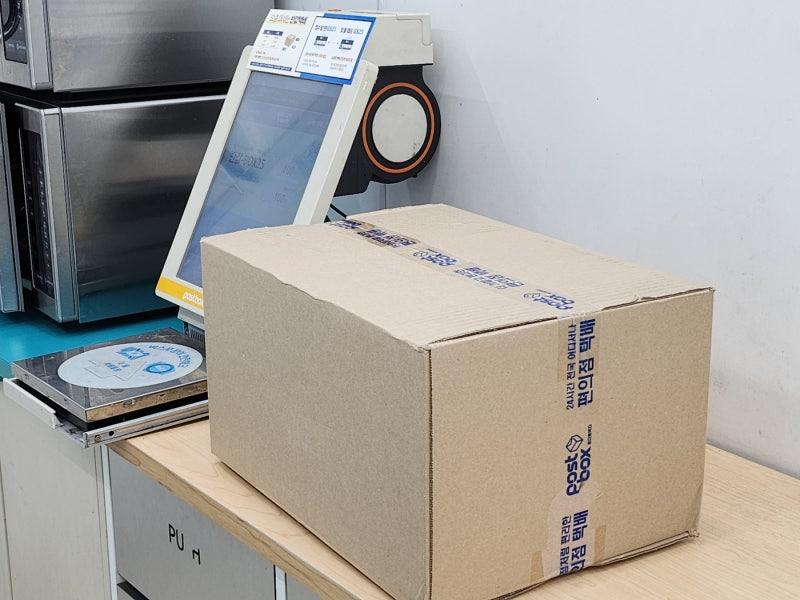
    Convenience store parcel delivery allows you to drop off a package at a convenience store or receive a package at a convenience store instead of your home. Because stores operate 24/7 and are everywhere, you can send parcels late at night, early in the morning, or whenever it fits your schedule. For foreigners who may not be comfortable coordinating deliveries in Korean—or who don’t want their home address shared—this system feels especially practical and secure.


    2. Why Foreign Residents Find It So Useful

    The biggest advantage is flexibility. You don’t need to wait at home, worry about missed deliveries, or explain complicated instructions to a courier. You simply pick up your parcel at a nearby store when it arrives. It’s also widely used for second-hand transactions, since you can avoid revealing your home address. On top of that, Saturday pickup is usually available, unlike traditional post office services.

    That said, there are trade-offs. Delivery can be slower than premium courier services, sometimes taking several days or even a week. Packages may sit in a corner of the store until collected by the courier, so careful packaging is essential. Prices are reasonable for small, light parcels, but can rise quickly with weight and distance. It’s a convenient system—just not a rush service.


    3. CU Convenience Store Parcel Service (CU 편의점택배)

    CU is one of the most common convenience store chains in Korea, and its parcel service is very foreigner-friendly. You can register online, fill out shipping details at a kiosk inside the store, print a label, and hand the package to staff. CU also offers store-to-store delivery, meaning both the sender and receiver pick up packages at CU locations.

    For foreigners, CU’s strength lies in accessibility. Stores are easy to find in residential areas, and the step-by-step kiosk process is relatively intuitive even with basic Korean. It’s a popular choice for personal shipments and casual online sales.


    4. GS25 Convenience Store Parcel Service (GS25 편의점택배)

    GS25 operates a similar system and is equally popular. Like CU, GS25 allows 24-hour parcel drop-off, store pickup, and relatively affordable rates for small packages. GS25 is also widely used by small business owners and freelancers, since business parcel registration is possible even without large monthly shipping volumes.

    For foreigners running side projects—selling handmade goods, trading items online, or managing small e-commerce operations—this can be surprisingly useful. You get business-level shipping rates without committing to high volumes, something that traditional courier contracts often require.


    5. A Few Things to Keep in Mind

    One important limitation is that parcels must stay within the same brand: CU-to-CU or GS25-to-GS25 only. You can’t send from CU and receive at GS25, so it’s best to check which brand is near both you and the recipient. Delivery times can vary, and during strikes or logistics disruptions, delays may be significant. If you’re patient and value flexibility over speed, it’s a great option.

    For foreigners living in Korea, convenience store parcel delivery is one of those “local life hacks” worth learning early. Once you use it a few times, it quickly becomes part of your everyday routine—quietly efficient, practical, and very Korean.

  • What Changes for Foreign Employees in Korea in 2026?

    If you work in Korea — or plan to — 2026 brings several changes that may affect your salary, benefits, working hours, and holidays. Some are symbolic, others have very real impacts on your monthly paycheck and work–life balance.

    Here’s a clear breakdown of what foreign employees should know about Korea’s labor-related changes in 2026.


    1. Higher Minimum Wage (and Why It Matters Even If You Earn More)

    From 2026, Korea’s minimum wage increases by 2.9%, rising to 10,320 KRW per hour.

    For a standard full-time schedule (40 hours per week, 209 hours per month), that means:

    • Monthly pay rises from 2,096,270 KRW → 2,156,880 KRW

    Even if you earn well above minimum wage, this matters because several benefits are linked to it, including unemployment benefits and parental leave payments.


    2. Higher Unemployment Benefits

    If you qualify for unemployment benefits (구직급여), payouts increase in 2026.

    Daily amounts:

    • Maximum: 66,000 KRW → 68,100 KRW
    • Minimum: increases automatically to maintain at least 80% of minimum wage

    Monthly benefits (30 days, 8 hours/day):

    • Minimum: 1,925,760 KRW → 1,981,440 KRW
    • Maximum: 1,980,000 KRW → 2,043,000 KRW

    This is notable because the maximum cap is rising for the first time since 2019, reflecting stronger income protection for workers.


    3. Higher Maternity Leave Pay

    For foreign employees who qualify for maternity leave, benefits also increase in 2026.

    How it works in Korea:

    • First 60 days (75 days for multiple births): paid by the employer
    • Remaining period: supported by the government

    Changes in 2026:

    • Maximum monthly benefit: 2.1 million KRW → 2.2 million KRW
    • Minimum monthly benefit: rises to 2,156,880 KRW

    Even employees already receiving maternity benefits will see the higher cap applied from 2026.


    4. Shorter Workweeks? Government Support for “4.5-Day Weeks”

    Starting January 2026, the Korean government will financially support small and medium-sized companies that adopt a 4.5-day workweek.

    Support details:

    • Up to 600,000 KRW per employee
    • If new staff are hired, subsidies can reach 800,000 KRW per month per new hire

    This is part of a broader national goal to reduce average working hours to below the OECD average by 2030.

    For foreign employees, this doesn’t guarantee shorter hours — but it signals a strong policy direction toward better work–life balance.


    5. “Workers’ Day” Becomes “Labor Day”

    From 2026, Workers’ Day (May 1) will officially be renamed Labor Day.

    Why this matters:

    • The change reflects a shift toward a more worker-centered and value-neutral understanding of labor
    • It aligns Korea more closely with international terminology

    Practically, it remains a paid day off for most employees — but the renaming reflects changing attitudes toward work and labor rights.


    6. Constitution Day May Become a Public Holiday Again

    July 17 (Constitution Day) may return as an official public holiday after 18 years.

    Background:

    • It was removed in 2008 when the five-day workweek was introduced
    • It is the only national foundation day not currently a public holiday
    • A bill to restore it has already passed committee review

    If finalized:

    • Total public holidays + weekends in 2026 increase from 118 days to 119 days

    For employees used to tight schedules, even one extra public holiday can make a noticeable difference.


    7. More Days Off Overall in 2026

    As it stands:

    • 70 official holidays in 2026
    • 118 total days off including weekends
    • 119 days if Constitution Day is reinstated

    For foreign workers used to fewer public holidays, Korea’s calendar may feel surprisingly generous — especially when combined with annual paid leave.


    What This Means for Foreign Employees

    Not every change directly affects your contract, but taken together, 2026 shows a clear direction:

    • Stronger income protection
    • Gradual reduction of working hours
    • More emphasis on work–life balance
    • Symbolic and legal recognition of labor rights

    If you work in Korea long-term, these changes are worth paying attention to — especially when negotiating contracts, planning family leave, or comparing work cultures across countries.