K-pop fandom is famous for its passion, creativity, and emotional closeness between artists and fans. One of the most distinctive expressions of that relationship has long been “support culture”, often referred to as jogong—a tradition where fans send gifts, food trucks, or birthday presents to express love and encouragement. While this culture once symbolized devotion and celebration, recent changes show how K-pop continues to evolve in a more sustainable and positive direction, focusing on mutual care rather than material exchange.
What Is “Jogong”? A Unique Part of K-Pop Fan Culture
Jogong originally described an offering made to show respect or loyalty, and in modern K-pop it came to mean fan-organized gifts or support for artists. These ranged from handwritten letters and snack boxes to birthday billboards, coffee trucks, and carefully curated presents. At its core, jogong reflected fans’ desire to emotionally support artists during busy schedules, comebacks, and milestones—often organized collectively and with a strong sense of community.
When Love Became Competition
As K-pop grew globally, jogong sometimes became more visible—and more competitive. High-profile examples, especially involving popular idols with large international fanbases, drew attention to luxury gifts worth hundreds of thousands or even millions of dollars. While these gestures were rooted in affection, concerns began to rise about financial pressure on fans and an unspoken competition over scale rather than sincerity. What was meant to be heartfelt support sometimes risked becoming a burden.
IVE’s Message: “Your Hearts Are Enough”
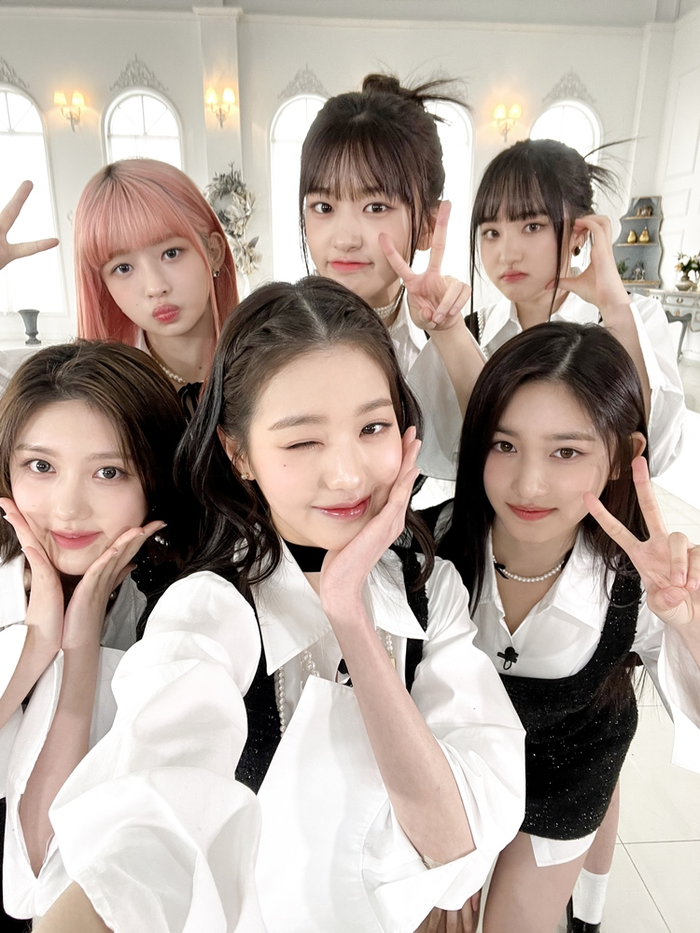
Recently, IVE announced that they would no longer accept fan gifts or organized support, choosing to receive only fan letters instead. The message was simple and warm: appreciation for fans’ feelings, paired with a hope that time, energy, and money would return to places meaningful to fans themselves. This decision was widely interpreted not as rejection, but as care—an artist choosing fans’ well-being over material expression.
A Growing Trend Across K-Pop
IVE is far from alone. Over the years, artists such as BTS, IU, TWICE, SEVENTEEN, aespa, DAY6, and others have taken similar stances. Some explicitly refuse gifts, while others encourage alternatives like donations made in the artist’s name.
In some cases, the culture has flipped entirely, with artists preparing “reverse support”—gifts, food, or events prepared for fans as a thank-you gesture. This shift reinforces the idea that fandom is a two-way relationship, built on respect rather than obligation.
From Spending to Meaning: How Fans Are Adapting
As gift-based support declines, many fan communities have redirected their passion into charitable projects, environmental campaigns, or social causes inspired by their favorite artists. These efforts preserve the spirit of jogong—love, unity, and impact—while aligning with values of sustainability and inclusivity. For international fans especially, this evolution makes K-pop fandom feel more accessible and emotionally grounded.
Why This Evolution Feels Very “K-Pop”
Rather than clinging to tradition, K-pop continuously redefines itself. The shift away from material-heavy support culture reflects maturity on both sides: artists acknowledging fans’ realities, and fans expressing love in healthier, more creative ways. It highlights one of K-pop’s most admirable traits—the ability to grow while keeping its emotional core intact.
For newcomers exploring K-pop culture, this evolution offers a reassuring message. Loving an artist does not require spending money or competing with others. Sometimes, a letter, a stream, or shared joy is more than enough. And in today’s K-pop world, that message is being heard louder than ever.
Leave a Reply