Category: Living deep in Korea

  • Where Should Exchange Students Live in Korea? A Practical Housing Guide

    Choosing where to live is one of the biggest decisions you’ll make as an exchange student in Korea. Your housing will shape not only your daily routine, but also how deeply you experience campus life and Korean culture.

    From budget-friendly options to more private living, Korea offers several distinct housing styles—each with clear pros and trade-offs. Below are four common housing options for exchange students, explained from a foreigner’s perspective.

    1. University Dormitory (기숙사)

    University dormitories are often the first choice for exchange students, and for good reason. They are usually the cheapest option and located right next to campus, saving both time and transportation costs. Living in a dorm also makes it easy to meet other international and Korean students, especially during your first semester.

    However, getting a spot is not guaranteed. Many Korean universities have limited dorm capacity, and competition can be high—even for exchange students.

    Another important point is that Korean dorms often have rules that may feel restrictive to some foreigners. Curfews, guest limitations, and shared rooms are common, which can be inconvenient if you value flexibility or privacy.

    2. One-Room Apartment (원룸)

    A one-room apartment is the most expensive option, but it offers the highest level of independence and privacy. You get your own space, your own bathroom, and full control over your daily schedule. For students who value quiet time, remote study, or personal routines, this option can feel the most comfortable.

    That said, costs can add up quickly. In addition to rent, you may need to pay a security deposit, utilities, and sometimes maintenance fees. Finding a one-room also requires more effort, often involving real estate agents and Korean-language contracts. Still, for those who can afford it, this option provides the closest experience to living like a local.

    3. Goshiwon (고시원)

    Goshiwons are small, private rooms originally designed for exam takers, but they have become popular among students and short-term residents. They are usually one of the cheapest housing options and work well if your stay is short or your plans are not fixed. Most goshiwons are fully furnished, and some include free rice, noodles, or even basic meals.
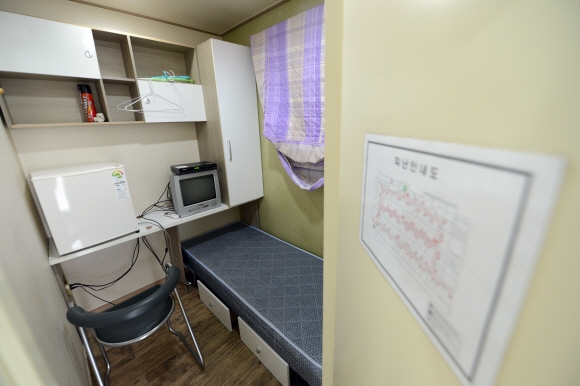
    Goshiwon can be a budget-friendly option, but rooms can be very small and noises can be difficult.

    The downside is space and comfort. Rooms are very small, and noise can be an issue due to thin walls. Bathrooms may be shared, depending on the building. While goshiwons are practical and budget-friendly, they can feel cramped over time—especially for students staying a full semester or longer.

    4. Hasukjip (하숙집)

    Hasukjip is a traditional Korean boarding house, often run by a local family. This option is ideal if you want to experience Korean daily life more closely. Many hasukjips include home-cooked meals (usually for breakfast and dinner), which can be a big advantage if you’re not used to cooking in Korea and ready to try various home-cooked Korean dishes.

    On the other hand, privacy can be limited. Bathrooms are sometimes shared, and house rules may apply. Since you’re living in someone’s home, the experience depends heavily on the host family’s style. For students who value cultural immersion over independence, a hasukjip can be a meaningful and memorable choice.


    Koodeep Tip

    There’s no single “best” option—only what fits your budget, personality, and priorities. Dorms are great if you get in, one-rooms offer freedom, goshiwons save money, and hasukjips provide cultural depth. Before choosing, think about how you study, socialize, and recharge. Your housing choice will quietly shape your entire exchange experience in Korea.
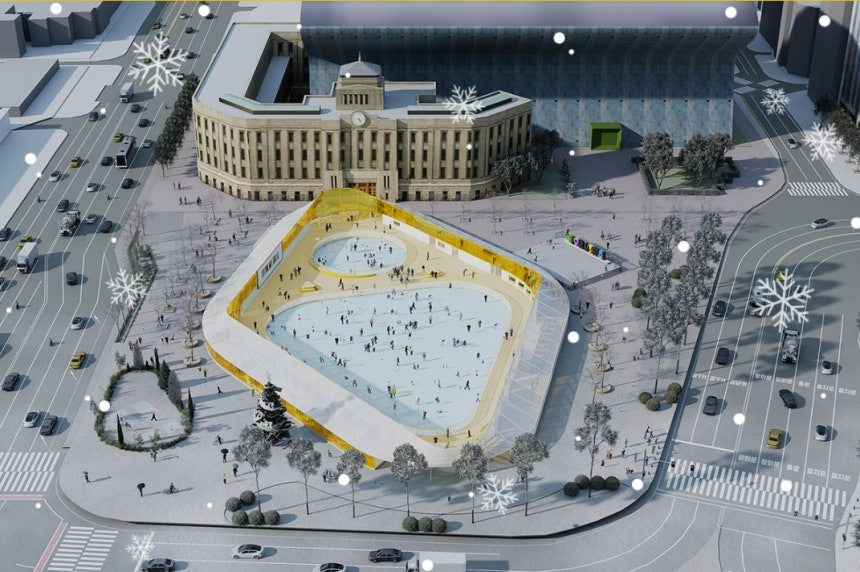
  • Ice Skating in the Heart of Seoul: Seoul Plaza Rink Returns This Winter

    If you want to experience a real Seoul winter moment, there’s no place quite like the Seoul Plaza Ice Skating Rink, right in front of Seoul City Hall. Every winter, the busy civic square transforms into an outdoor ice rink surrounded by historic buildings, office towers, and glowing city lights—creating a uniquely urban winter atmosphere that locals and visitors love.

    1. When Is the Seoul Plaza Ice Rink Open?

    This winter, the Seoul Plaza Ice Skating Rink will operate from December 19, 2025 to February 8, 2026.
    From Sunday to Friday, sessions run between 10:00 a.m. and 9:30 p.m., while Saturdays and public holidays extend until 11:00 p.m. Each skating session lasts 1 hour, followed by a 30-minute ice maintenance break.

    2. How Much Does It Cost?

    One of the biggest surprises for foreigners is the price.
    A one-hour session costs only KRW 1,000 (less than USD 1), and that price already includes skate rental and a helmet. The fee has remained unchanged since the rink first opened in 2004, making it one of the best winter bargains in Seoul.

    3. How to Make a Reservation (Strongly Recommended)

    Reservations open on December 16, and each session accepts 600 skaters—300 online and 300 on-site, first come first served. Online reservations open 7 days before your chosen date and are highly recommended, especially on weekends and during the year-end holiday season. Popular time slots often sell out quickly.

    You can book through:

    • Official website: seoulskate.kr
    • Ticketlink: ticketlink.co.kr

    If you plan to buy tickets on-site, arriving at least one hour earlier than your preferred session is a smart move.

    4. Location & How to Get There

    The rink is extremely easy to reach. It’s located at Seoul Plaza, just a 1-minute walk from City Hall Station (Subway Lines 1 and 2), Exits 5 or 6. Its central location makes it perfect to combine with sightseeing (Cheonggyecheon, Gyeongbokgung Palace, etc.), shopping, or dinner nearby.

    5. What to Wear and Bring

    Gloves are mandatory, so make sure to bring your own. A warm hat that covers your ears, thick socks, and winter clothing are strongly recommended since this is an outdoor rink. Even if you’re skating actively, Seoul winters can get cold—especially after sunset.

    6. Facilities and Beginner-Friendly Features

    The rink is well-equipped with lockers, a café, rest areas, and snack stands. There’s also a medical station for minor injuries. Beginners are welcome, and skating lessons are available, including small-group lessons (up to 3 people) and group classes held on weekdays. Personal skates are allowed (except speed skates), but hockey helmets are not permitted.

    7. A Winter Spot Loved by Foreign Visitors

    Seoul Plaza Ice Rink has become a true winter landmark. Last season alone, nearly 170,000 people visited, with foreign visitors making up a rapidly growing share. The mix of locals skating after work, students on winter break, and tourists trying ice skating in Korea creates a lively, international vibe that feels very “Seoul.”


    Koodeep Tip

    If you’re visiting Seoul in winter and want an experience that’s local, affordable, and memorable, this rink is hard to beat. Skate for an hour, warm up with a hot drink nearby, and enjoy the city lights—it’s one of the simplest ways to feel winter in Seoul.

    Winter in Seoul doesn’t have to be just about cold weather. Sometimes, it’s about skating right through the middle of it.

  • Finding a Part-Time Job at Restaurants & Cafés in Korea: Practical Tips for Foreigners

    Working part-time at a café or restaurant is one of the most common—and realistic—ways for foreigners to earn income in Korea. That said, the hiring process, expectations, and legal boundaries can feel very different from what you may be used to. Below are practical tips to help you find (and keep) a part-time job in Korea’s food and café scene.

    Finding a part-time job in Korea as a foreigner can be difficult; however, it can also be extremely rewarding.

    1. Check Your Visa First (This Matters More Than Anything)

    Before applying anywhere, make sure your visa allows part-time work.

    • D-2 (student) and D-4 (language student) visa holders usually need prior permission from their school and immigration before working.
    • F-series visas (F-2, F-5, F-6) generally allow free employment.
      Many cafés and restaurants will ask about your visa before your experience, so having a clear answer builds trust immediately.

    2. Know Where Jobs Are Actually Posted

    Unlike some countries, many part-time jobs in Korea are not posted on LinkedIn or global job boards. The most useful platforms are:

    • Albamon / Alba천국 (Korea’s main part-time job sites)
    • Facebook groups like “Foreigners in Korea Jobs”
    • Local neighborhood cafés and restaurants with handwritten “Hiring” signs
      Walking into cafés during off-peak hours (weekday afternoons) and politely asking often works better than online applications.

    3. Basic Korean Goes a Long Way

    You don’t need perfect Korean, but survival-level Korean is often expected, especially in customer-facing roles. Being able to take orders, understand simple instructions, and respond politely is usually more important than fluency. Even memorizing key service phrases can significantly improve your chances of being hired—and staying employed.

    4. Understand Common Work Conditions

    Most restaurant and café part-time jobs involve:

    • Standing for long hours
    • Fast-paced service during peak times
    • Flexible but irregular schedules
      Hourly wages typically start at or slightly above Korea’s minimum wage, with late-night shifts sometimes paying more. Tips are not common in Korea, so wages matter more than gratuities.

    5. Contracts, Paydays, and What to Ask Upfront

    Even for part-time work, it’s reasonable to ask:

    • How often you’re paid (weekly, biweekly, monthly)
    • Whether breaks are provided
    • How shifts are scheduled and changed
      Some small cafés may not provide a formal written contract, but clear verbal confirmation of pay and hours is essential. Keeping messages or written details helps avoid misunderstandings later.

    6. Be Careful with “Under-the-Table” Work

    Some places may suggest cash payment without formal reporting. While this can seem convenient, it carries legal risks, especially for student visa holders. Immigration issues can arise later, even if the job itself felt casual. When in doubt, choose places that are familiar with hiring foreigners and understand visa rules.

    7. Reliability Matters More Than Experience

    In Korea, employers value punctuality, consistency, and attitude more than prior café experience. Showing up on time, following instructions carefully, and communicating clearly when issues arise often leads to longer employment—and sometimes better shifts.


    Koodeep Tip

    If you’re new to Korea, start with cafés or small restaurants in foreigner-friendly areas (e.g. Hongdae, Itaewon, or Seongsu) rather than busy local-only spots. Once you understand the work culture and language flow, more options naturally open up.

    Working part-time in Korea isn’t just about earning money—it’s also one of the fastest ways to understand daily Korean life. With the right preparation, it can be both practical and rewarding.

  • How to Use Seoul’s Climate Card (기후동행카드)as a Foreigner: A Practical Guide for Seoul tourists

    If you plan to stay in Seoul for a few days—or even a full month—the Climate Card (기후동행카드) can be one of the most cost-effective ways to get around the city. Designed as an unlimited public transport pass, it works well for travelers, students, and short-term residents, as long as you understand a few important limitations. Here’s what foreigners should know before using it.

    1. What Is the Climate Card?

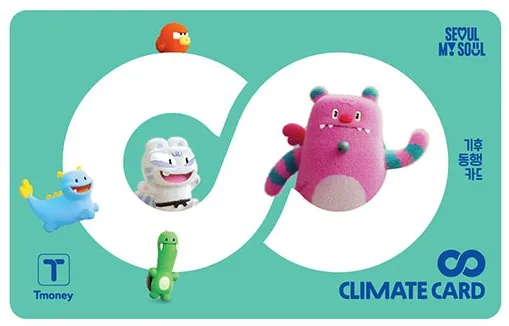
    The Climate Card is a flat-rate public transportation pass introduced by the Seoul Metropolitan Government. Once activated, it allows unlimited rides on Seoul subways and city buses for a fixed period. Some plans also include Ttareungi (Seoul’s public bike system). The goal is simple: encourage public transport use while helping users save on daily travel costs.

    2. How Much Does It Cost and How Much Can You Save?

    The standard prices are straightforward.
    A 30-day pass costs around KRW 62,000, and if you want to include Ttareungi, the price goes up slightly to about KRW 65,000. For travelers, there are also short-term passes (1, 2, 3, 5, or 7 days), generally ranging from KRW 5,000 to KRW 20,000, depending on the duration. If you plan to take the subway or bus more than two or three times a day, the card quickly becomes cheaper than pay-per-ride fares.

    Also, note that if you buy a physical card, additional KRW 3,000 is charged for the card, which is non-refundable.

    3. How to Use It (Important for Short-Term Foreign Travelers)

    This is where many foreigners get confused.
    Mobile Climate Cards are not suitable for most short-term foreign visitors, especially iPhone users or travelers without Korean phone authentication. In practice, foreign tourists should use the physical card only. Once you have the physical card, usage is simple: tap it at subway gates and bus readers just like a normal T-money card.

    4. Where to Buy the Physical Card

    You can purchase the Climate Card at:

    • Major subway station customer service centers (Lines 1–8)
    • Tourist information centers such as Myeongdong or Seoul Tourism Plaza
    • Some convenience stores (ex. GS25, CU, Seven Eleven) near subway stations

    The physical card itself usually costs around KRW 3,000, separate from the pass fee.

    5. How to Recharge the Card

    After buying the card, you must activate it at a subway station recharge machine. At the machine, you choose the pass type (1-day, 7-day, 30-day, etc.) and pay using cash or a credit/debit card, depending on the machine. Once charged, the pass becomes valid immediately or from the selected start time.

    6. Important Things Foreigners Should Know (Refunds & Limitations)

    Refunds are the most critical issue for foreigners.
    If you do not have a Korean bank account and want a refund for unused balance, you must first stop the card at a subway recharge machine. After that, you need to visit T-money headquarters near Seoul Station in person to apply for a refund. The refund is not processed immediately—you must return about three days later to receive the remaining balance. This process can be inconvenient, so it’s best to plan your usage carefully.

    Also note that refunds after the pass expires are generally difficult, and once a short-term pass is heavily used, the refundable amount may be limited.


    Koodeep Tip

    If you’re staying in Seoul for 3–7 days and plan to move around a lot, the Climate Card is a great deal—as long as you’re comfortable using a physical card and don’t expect a quick refund. For longer stays, the 30-day pass offers some of the best transport value in the city.

    Getting around Seoul doesn’t have to be complicated. With the right card and a bit of planning, it can also be surprisingly affordable.

  • Where to Watch the 2025 Geminid Meteor Shower in BUSAN (Dec 13–14) — Best Spots

    December 13 is expected to bring a meteor shower across Korea, but for once, Busan may be the better place to look up. While Seoul is forecast to see snow and heavy cloud cover—making stargazing difficult—Busan’s weather tells a more hopeful story.

    Rain is expected on the evening of December 13 in Busan, but forecasts suggest that the sky will gradually clear from the early morning of December 14, creating a narrow yet exciting window to catch shooting stars before sunrise.

    Thanks to its milder winter climate and coastal geography, Busan often enjoys clearer skies than Seoul during cold snaps. If the clouds cooperate, heading out in the early hours could reward you with fleeting streaks of light across the winter sky. Below are some of the best places in Busan to watch meteor showers, especially for visitors and foreigners living in the city.

    Best Stargazing Spots in Busan

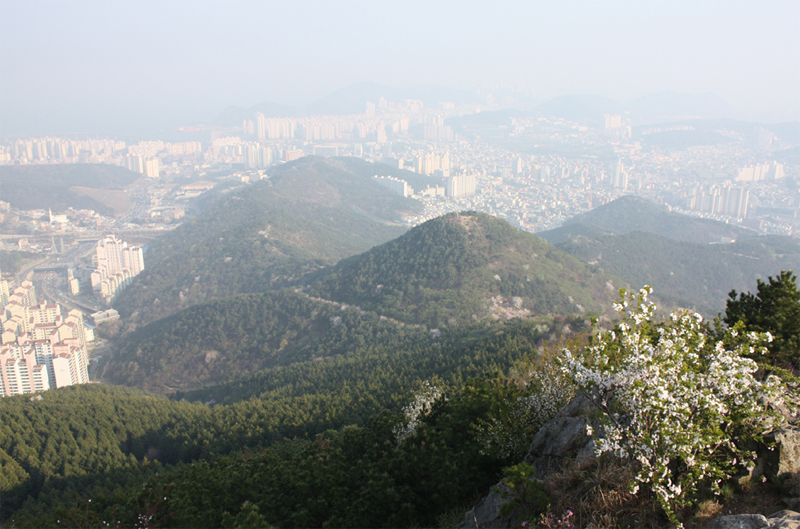
    Geumryeonsan (금련산) is one of the most accessible stargazing spots in Busan.

    Geumryeonsan (금련산) is one of the most accessible stargazing spots in Busan, located near Gwangan and Millak. Despite being close to the city center, its elevation helps reduce light pollution, and the open viewpoints near the summit offer a surprisingly wide view of the night sky. It’s a popular choice for casual night hikers and those who want a balance between convenience and atmosphere.

    Orangdae (오랑대), near Haedong Yonggungsa Temple, is a classic choice for night sky lovers. Facing the open sea, this area benefits from minimal artificial lighting and unobstructed horizons. The sound of waves and the dark ocean backdrop make it one of the most immersive places to watch meteors, especially in the quiet hours before dawn.

    Dadaepo Beach (다대포해수욕장) is another strong candidate, particularly for beginners. The wide beach, open western horizon, and relatively low surrounding buildings make it easy to scan the sky. On clear nights, it’s one of the few places in Busan where you can stargaze without hiking, simply by standing on the sand and looking up.

    Amnam Park (암남공원), located near Songdo, offers coastal cliffs and forested paths that block much of the city’s light. Certain lookout points within the park provide dark, elevated spaces ideal for early-morning meteor watching, especially if you prefer a quieter, nature-focused environment.

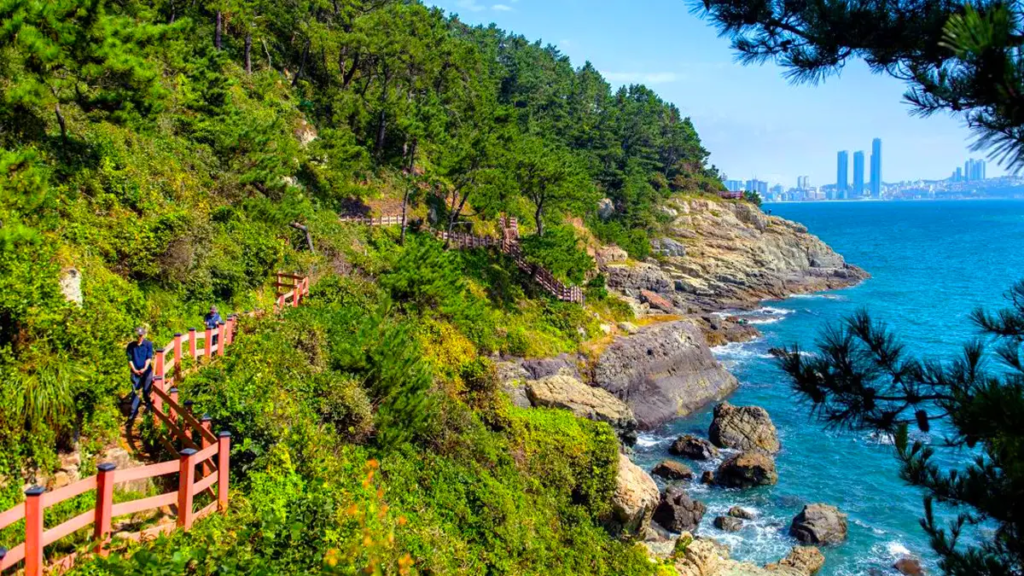
    Igidae Coastal Walk (이기대 해안산책로) is less commonly mentioned for stargazing, but can offer a great trail for stargazing.

    Igidae Coastal Walk (이기대 해안산책로) is less commonly mentioned for stargazing, but parts of the trail away from Gwangan Bridge lighting can be surprisingly dark. With the sea stretching out ahead and limited artificial light, it’s a great option for those who enjoy combining a night walk with sky watching.

    Stargazing Tips for Busan in December

    For the best experience, aim to go out between 3:00 a.m. and sunrise on December 14, when the sky is darkest and meteor activity is more noticeable. Dress warmly, bring a thermos if you can, and give your eyes at least 15–20 minutes to adjust to the darkness. Even if you only catch a few shooting stars, the experience of watching the winter sky over Busan is worth it.

    Sometimes, all it takes is clearer skies and a bit of patience. This December, Busan might just be where Korea’s shooting stars choose to shine.

  • Best Indoor Places to Visit in Busan – Warm, Creative, and Weather-Proof Spots for a Perfect Winter Busan Trip

    Busan is now one of the most popular destinations for international travelers — sometimes even rivaling Seoul in tourism numbers. Its milder winter weather makes it an excellent cold-season getaway, but even in Busan, sudden rain or chilly coastal winds can make outdoor plans less appealing.


    For those moments, here are the best indoor attractions that promise culture, comfort, and fun regardless of weather.


    1. F1963 — Busan’s Industrial Factory Reborn as a Cultural Landmark

    Location: Suyeong-gu (수영구)
    Nearest Subway Station: Mangmi Station (Line 3), Exit 2 — about 10–15 minutes on foot

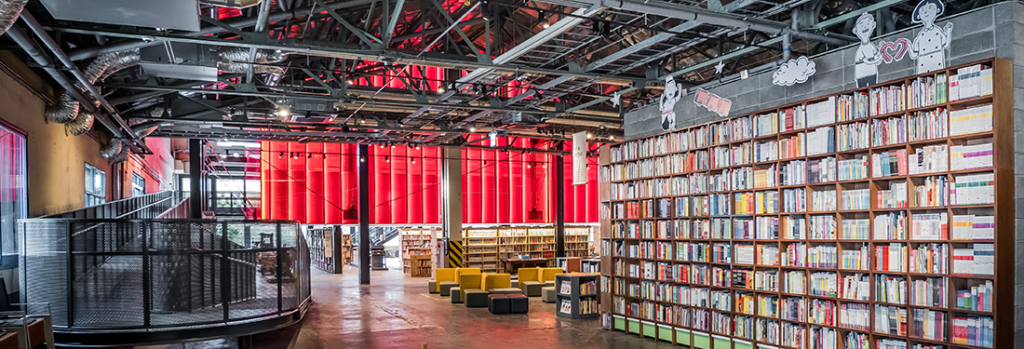
    Once a wire-manufacturing plant built in 1963, F1963 has transformed into one of Busan’s coolest mixed-use cultural spaces. The name combines “F = Factory” with the year 1963, symbolizing its rebirth from industry to creativity.

    F1963 – Busan’s coolest mixed-use cultural spaces.

    What Makes F1963 Special

    • Giant secondhand bookstore full of vintage décor, quiet reading corners, and curated lifestyle goods
    • Industrial-style café & roastery using repurposed factory materials
    • European-style pub & Korean makgeolli brewery for a unique food experience
    • Gardening studio & slow-living workshops
    • Art exhibitions, concerts, cultural events held regularly
    • F1963 Square, an open-air courtyard for screenings and performances
    • The Bamboo “Sound Path”, a serene walkway built from the former factory floor

    Whether you’re into art, architecture, books, or specialty cafés, F1963 is one of Busan’s most atmospheric indoor destinations — perfect for both solo travelers and couples.


    2. National Maritime Museum of Korea — Ocean Culture, Navigation History & A Free Aquarium

    Location: Yeongdo-gu (영도구)
    Nearest Subway Station: Nampo Station (Line 1), then take Bus 82/85 or a short taxi ride
    (The museum sits on a seaside hill, so direct subway access isn’t available, but transport is easy.)

    Busan’s National Maritime Museum is one of Korea’s most impressive ocean-themed museums, showcasing the history of navigation, maritime cultures around the world, and Korea’s own seafaring traditions.

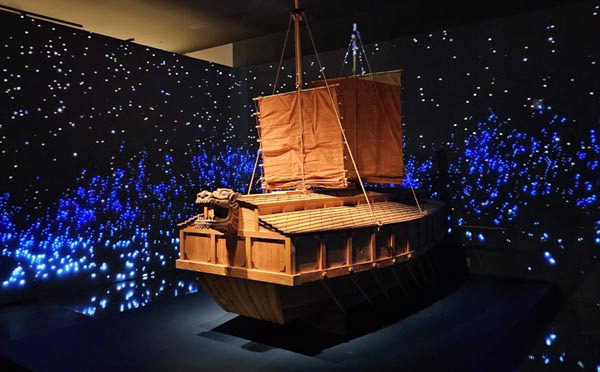
    National Maritime Museum of Korea offers a glimpse into the history of Korea’s naval history – including the Turtle Ship

    Highlights for Visitors

    • Learn about Korea’s legendary Turtle Ship (Geobukseon)
    • Global maritime artifacts and detailed navigation exhibits
    • Immersive media art galleries
    • A free indoor aquarium — ideal for families and kids
    • Spacious, warm, and easy to explore at your own pace

    If you’re curious about Korean naval history (especially Admiral Yi Sunshin and the Turtle Ship) or want a kid-friendly indoor attraction, this museum is easily one of the best choices in Busan.


    3. Spa Land Centum City — The Ultimate Jjimjilbang Experience

    Location: Haeundae-gu (해운대구)
    Nearest Subway Station: Centum City Station (Line 2), directly connected to Shinsegae Mall

    Spa Land is Busan’s most famous luxury jjimjilbang, housed inside the massive Shinsegae Centum City — officially one of the world’s largest shopping complexes.

    Why You Should Visit

    • Authentic Korean jjimjilbang culture: hot stone rooms, themed saunas, salt rooms, oxygen rooms
    • Outdoor foot baths with warm water — magical in winter
    • Thermal pools, relaxation zones, and peaceful rest areas
    • Perfect cold-weather activity that’s both fun and deeply relaxing

    For international visitors, this is one of the easiest and most enjoyable ways to experience Korean bath culture, especially on a chilly winter day.


    Final Thoughts

    Busan’s indoor attractions are not just weather-proof — they’re some of the city’s most creative, relaxing, and culturally rich experiences. Whether you’re escaping rain, cold winds, or simply looking for something new, these three destinations offer unforgettable moments for travelers of all ages.

  • Korea’s Sports Leagues Are Opening Up to Foreign Talent – A New Era for Foreign Nationals Building Their Careers in Korea

    As Korea becomes more global, its sports world is changing too. From basketball courts to football stadiums, Korean leagues are slowly but surely opening their doors to athletes who may not hold Korean nationality but have grown up, trained, and lived in Korea.
    For foreigners living in Korea — or those considering moving here — these stories show that opportunities are expanding not only in traditional workplaces but also in professional sports.


    1. The KBL’s First Non-Korean Rookie: Freddy Mutiba

    One of the clearest signs of this shift came when Freddy Mutiba, a 22-year-old center from the Democratic Republic of Congo, was selected by the Seoul SK Knights in the 2025 KBL Rookie Draft.
    Standing 201 cm tall and fluent in everyday Korean, Freddy has lived in Korea since 2018, when he joined the basketball program at Whimoon High School. He even delivered his draft speech in Korean — reading from a handwritten memo he had prepared with his coach’s help.

    Freddy Mutiba, making history as the KBL’s first non-Korean domestic rookie — a symbol of Korea’s growing openness to global talent.

    A Historic First

    Freddy is officially the first non-Korean national to be drafted as a “domestic player” under KBL’s revised rules. The league updated its draft eligibility in November 2024, allowing foreign nationals who have spent 5+ years registered in the Korean basketball system (middle school, high school, or college) to enter the domestic-player draft.

    This means Korea is now recognizing long-term foreign athletes as part of its local talent pool — a major shift from the past, when only Korean nationals or overseas Koreans could join as domestic players.

    The Next Step: Korean Citizenship

    To continue his pro career long-term, Freddy must obtain Korean nationality within two seasons. He can pursue general naturalization, marriage-based naturalization, or special naturalization for athletic talent.
    Even though the process is challenging (as seen with WKBL star Kia Smith’s unsuccessful bid), Freddy is already strengthening his Korean-language skills to prepare for the required tests.


    2. FC Seoul’s New Homegrown Star: Samuel from Côte d’Ivoire

    On the football side, another breakthrough came with Gbato Seloh Samuel, a rising prospect who recently signed with FC Seoul. Born in 2006 in Seoul to Ivorian parents who immigrated during Côte d’Ivoire’s civil conflict, Samuel grew up entirely in Korea — speaking fluent Korean and representing the FC Seoul youth system from Osan Middle School to Osan High School.

    Samuel, FC Seoul’s first homegrown player with foreign nationality — born and raised in Korea, now stepping onto the K-League stage.

    A First in K-League History

    Samuel is now the K-League’s first-ever homegrown player with foreign nationality. Starting in 2025, if a player has:

    • Played 3 years in a Korean youth program, or
    • Played 5 years cumulatively in the Korean youth system

    — then they may sign their first professional contract with a Korean club as a domestic player, even without a Korean passport.

    This means Samuel does not take up a foreign-player quota spot, allowing him to compete on equal footing with Korean teammates. It’s a landmark rule change that acknowledges the multicultural reality of Korea today.


    3. What These Stories Mean for Foreigners in Korea

    Both Freddy and Samuel represent a broader movement happening across Korean society:

    Korea is gradually shifting from a single-nationality perspective

    The old system focused heavily on Korean citizenship — whether in education, sports, or employment. But as more immigrant families and long-term foreign residents build their lives here, Korea is redefining what it means to contribute to the community.

    More pathways for foreign nationals to build full careers

    From government policies to corporate hiring to sports league regulations, doors that were once closed are now opening. The message is clear:
    If you grow, study, train, or work in Korea, you increasingly have the chance to succeed in Korea — nationality aside.

    Sports are becoming a symbol of Korea’s changing identity

    Professional leagues embracing multicultural athletes is more than just a sports headline. It reflects a country adapting to global talent and recognizing diverse backgrounds as part of its future.


    4. A New Chapter for Multicultural Korea

    For foreigners living in Seoul or planning to move here, these shifts represent meaningful change. Korea’s sports world — once seen as culturally closed — is now becoming a space where foreign-born players can rise as hometown heroes.

    From Freddy stepping onto the KBL stage to Samuel becoming FC Seoul’s newest homegrown talent, these athletes show that Korea’s evolution is real, visible, and accelerating. Whether in sports, entertainment, education, or employment, Korea is opening doors wider than ever before.

    And as Koodeep continues to follow stories like these, we’ll help you understand how Korea is becoming not just a place to visit — but a place where people from all backgrounds can build their future.

  • Possible Seoul Subway Strike on December 12 — What You Need to Know

    If you live in Seoul or are visiting the city this week, here’s an important update:
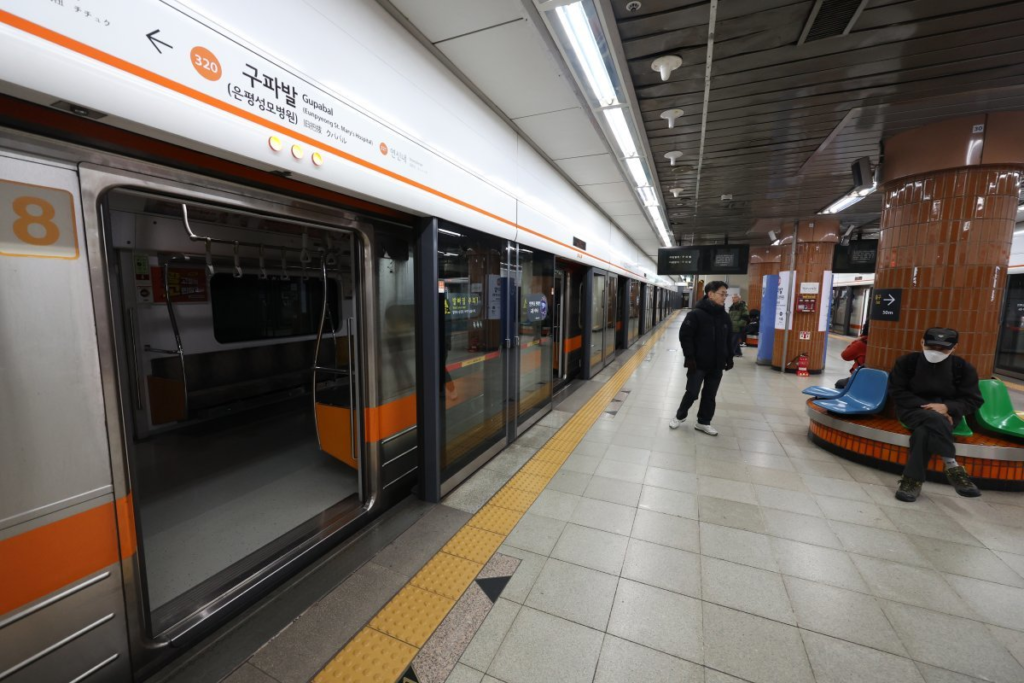
    A subway strike may begin on December 12, affecting Lines 1 through 8 of the Seoul Metropolitan Subway.
    Line 9 is not participating in the strike.

    The city has announced emergency plans to keep trains running, but some delays and congestion are still expected. Below is what foreigners should know to avoid travel disruptions during this period.


    1. Which Lines Are Affected?

    • Potential strike lines: Seoul Subway Lines 1–8
    • Not affected: Line 9 (operates normally even if the strike begins)

    This means most of the central Seoul network may experience reduced operations, but trains will still run at high frequency during rush hours.


    2. Will the Subway Still Operate?

    Yes — the city will maintain 88–100% service levels, even after the strike begins.

    Morning Rush Hour (7:00–9:00)

    • Lines 1–8 operate at 100% of normal service.
    • Even if Korail & Seoul Metro strike simultaneously, morning service is expected to stay above 90%.

    Evening Rush Hour (18:00–20:00)

    • Lines 2 and 5–8 operate at 100%.
    • Emergency trains will be on standby on Lines 2, 3, and 4 to reduce congestion.

    If the strike lasts more than 8 days

    • Morning service: 90%+
    • Evening service: 80%+

    In short, trains will keep running, but stations may be more crowded than usual.


    3. Additional Transportation — Buses Will Increase Service

    To reduce inconvenience, Seoul will deploy all available alternative transportation, including major increases in bus frequency.

    City Bus Adjustments

    • 2,538 additional bus departures during peak hours
    • Morning peak extended: 6:00–9:00 (starts 1 hour earlier)
    • Evening peak extended: 17:00–20:00 (ends 1 hour later)

    Special Routes

    • Daramjwi (Squirrel) Buses: Operating time extends from 2 → 3 hours (55 extra runs)
    • Donghaeng Community Buses: Also extended from 2 → 3 hours (83 extra runs)

    Emergency Vehicles

    • Extra standby and shortened-route buses will be in operation across 161 routes.

    If the subway seems too crowded, buses will be a strong alternative — especially across central Seoul.


    4. Safety & Crowd Management

    Since the Seoul subway system is considered essential infrastructure, the city will deploy:

    • 13,000+ staff to maintain operations
    • 124 city employees stationed at 31 major crowded stations
    • Increased on-site monitoring and crowd control
    • Updated real-time information across apps and stations

    Foreign travelers should expect more staff presence at major stations like Seoul Station, Gangnam, Hongdae, and Dongdaemun.


    5. Where to Check Live Updates (English-Friendly Options)

    Seoul provides real-time information through:

    • TOPIS website: https://topis.seoul.go.kr
    • Subway station digital screens & bus stop information terminals (BIT)
    • Ttota Subway App (또타지하철)

    These sources will update strike status, train frequencies, and bus reinforcement schedules.


    6. What Foreigners Should Do

    To travel smoothly during a potential strike:

    • Allow extra time for commuting.
    • Use Line 9 when possible — it is not included in the strike.
    • Consider buses for cross-city trips (especially during peak hours).
    • Avoid transferring at major hubs during rush hour.
    • Check live information before leaving home or your hotel.

    Final Tip

    Seoul officials emphasized that they are using all available transportation resources to minimize inconvenience. Negotiations are still ongoing, and a strike may be avoided — but staying informed will help you move around the city with confidence.

  • Seoul Winter Festa 2025 – Experience Seoul Winter Wonderland

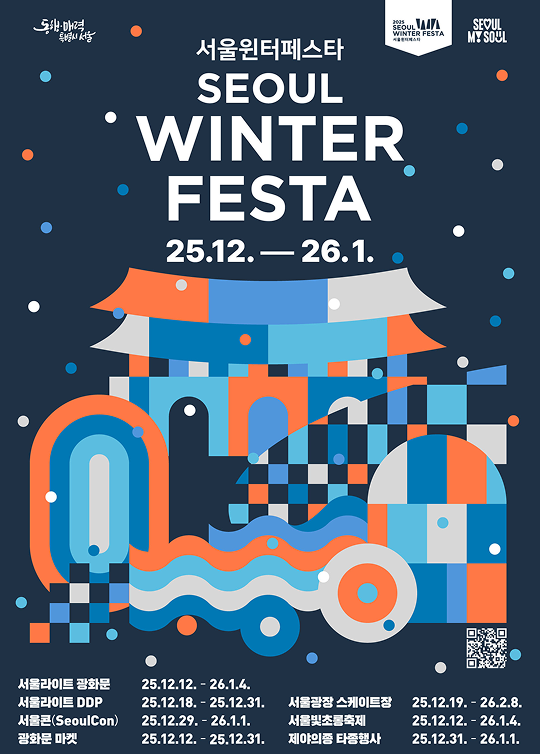
    Seoul is transforming into a massive winter playground this year-end. From Gwanghwamun and Seoul Plaza to DDP and Cheonggyecheon, the city’s most iconic landmarks will host a relay of performances, markets, media art, and hands-on programs under one integrated celebration: Seoul Winter Festa.
    If you’re spending December in Korea, this festival is one of the most spectacular ways to experience K-culture, winter lights, and Seoul’s year-end energy.


    1. Festival Kickoff: Lighting Ceremony & K-Performance Competition

    The festivities begin on December 12 in the Gwanghwamun area, where seven major winter events gather for a grand lighting ceremony that brightens the entire city center.
    On December 13, 14, 20, and 25, Cheonggyecheon and Gwanghwamun host the K-Performance Competition, featuring:

    • Taekwondo artistry
    • K-pop reinterpretations
    • Traditional dance
    • International guest teams

    The result is a creative mix of modern and traditional Korean culture—perfect for travelers looking for authentic yet high-energy performances.


    2. Gwanghwamun: The Main Stage of Seoul Winter Festa

    Seoul Light Gwanghwamun (Dec 12– Jan 4)

    Every evening from 5:30 PM, the plaza comes alive with colorful light shows, immersive illuminations, and media art displays.

    • Weekdays until 9 PM
    • Weekends until 10 PM

    Gwanghwamun Christmas Market (Dec 12–Dec 31)

    A European-style winter market fills the plaza with festive food, handmade goods, Christmas decor, and local vendor booths.

    • Daily: 5:30 PM–9:30 PM
    • Wednesdays: Open until midnight

    It’s a great place to warm up with winter snacks, shop for seasonal gifts, and enjoy holiday vibes with stunning city views.


    3. Experience Zones: Food, Art, and Interactive Fun

    Gwanghwamun’s Festa Zone offers family-friendly and tourist-friendly attractions:

    • Haechi & Seoul Friends LEGO installation
    • Food Zone on the Press Center lawn, featuring bakeries and winter street snacks
    • Photo spots for Instagram and TikTok
    • “Reels Zone” for K-pop-style short-form content creation

    Add in a silent disco, surprise events, and street parades, and you get a winter festival designed for all ages.


    4. Celebrate Across Seoul: Lights, Media Art & Hallyu(K-Wave) Events

    Seoul Winter Festa extends beyond Gwanghwamun, transforming multiple districts into nighttime attractions.

    Seoul Lantern Festival (Cheonggyecheon & Uicheon, Dec 12–Jan 4)

    A river walkway glowing with light sculptures, media art, and citizen-made installations.

    Seoul Light DDP (Dec 18–Dec 31)

    Digital art projections, Christmas-themed sculptures, and futuristic night scenery at Dongdaemun Design Plaza.

    SEOULCon (Dec 29–Jan 1)

    A paradise for K-culture fans:

    • K-pop concerts
    • eSports award shows
    • K-beauty and fashion exhibitions

    This section of the festival is designed especially for international visitors seeking a deeper dive into modern Korean pop culture.


    5. Winter Sports in the City: Seoul Plaza Ice Rink

    Running from December 19 to February 8, the iconic Seoul Plaza Ice Rink opens for seasonal skating, family activities, and live cultural performances. Whether you’re skating for the first time or reliving childhood memories, this is one of the most charming winter experiences in Korea.


    6. Countdown to 2026: The Seoul New Year’s Eve Bell-Ringing Ceremony

    On the final night of 2025, Bosingak hosts Seoul’s traditional New Year’s Eve bell-ringing ceremony.
    The celebration includes:

    • Nongak (traditional percussion)
    • Pansori performances
    • LED and laser shows
    • Massive citizen “Seoul Sing-Along” chorus

    It’s a dramatic, uniquely Korean way to welcome the Year of the Red Horse—and a must-see cultural moment for year-end visitors.


    Why You Shouldn’t Miss Seoul Winter Festa

    For tourists, expats, and students, this citywide celebration is one of the best ways to enjoy Korea’s holiday season:

    • A rare chance to see Seoul united as one giant festival stage
    • Endless K-culture content for social media
    • Free or low-cost attractions across multiple districts
    • Nighttime illuminations that bring a magical atmosphere to the city

    Seoul promises “a warm, enchanting winter experience for all,” and this year’s Winter Festa delivers exactly that.

    More details and updates will be announced through Seoul’s official website and social channels, so keep an eye out for the latest event schedules.

  • Can You Legally Have a Side Job in Korea?

    A Practical Guide for Foreigners Navigating Side Job(“겸직” ) Rules

    As Korea’s work culture becomes more flexible, more employees—locals and foreigners alike—are exploring extra income and creative opportunities. Influencer activities on Instagram or TikTok, online lectures, writing projects, rental property management, delivery side gigs, and even part-time driving have all become increasingly common. It’s no surprise that many foreign professionals in Korea also want to model, appear on YouTube, or take freelance jobs on weekends.

    A calm winter view of Seoul’s Seokchon Lake — a reminder that working in Korea also means finding balance and inspiration beyond the office.

    But here’s the important part: not every company allows side jobs, and not every restriction is legally valid. Understanding how Korean law views “겸직” (dual employment or side job) helps you protect both your career and your freedom.


    1. Korean Companies Commonly Restrict Side Jobs—But Not Absolutely

    Many employers are concerned that outside work could:

    • Reduce the employee’s performance or rest hours
    • Create conflicts of interest
    • Risk misuse of trade secrets
    • Damage the company’s reputation

    Because of this, Korean companies often include “no side job” clauses in:

    • Employment contracts
    • Rules of Employment (ROE)

    Some even list “unauthorized side work” as a disciplinary ground, leading to warnings, suspension, or even dismissal. This is why employees—especially foreigners—often assume that side jobs are strictly banned.

    But Korean law takes a more balanced approach.
    A rule prohibiting all types of outside work does not become valid simply because it appears in company regulations.


    2. Courts Say: Your Personal Time Is Your Time

    A key principle in Korean labor law is that employees must work faithfully during working hours, but after work, the time belongs to the individual.

    The Seoul High Court has explicitly stated:

    • A full-time worker’s off-duty side activities fall within personal freedom.
    • Companies cannot impose blanket, all-encompassing bans on outside work.
    • Broad prohibitions may violate constitutional freedoms such as:
      • Freedom of occupation (헌법 제15조)
      • Right to privacy (헌법 제17조)

    (Seoul High Court, 2002. 7. 4., 2001누13098)

    In other words, even if a company rule states “No employee shall engage in any outside work,” the company cannot punish an employee unless the specific side job actually threatens business interests or harms job performance.

    This is especially important for foreigners who take part in modeling, content creation, or lecture activities that have nothing to do with their employer’s business.


    3. Even Government Employees Aren’t Fully Banned from Side Jobs

    Public servants in Korea face stricter standards than private-sector workers, yet even they are only limited in specific situations—such as when a side job:

    1. Reduces job efficiency
    2. Improperly influences public duties
    3. Creates interests that conflict with the state
    4. Harms the reputation of the government

    (National Public Officials Service Rules, Art. 25)

    This shows that Korea does not prohibit side jobs simply for the sake of prohibition. Restrictions must be reasonable, necessary, and narrowly tailored.


    4. When Companies Can Legally Restrict Side Jobs

    Private companies may discipline an employee only when the side job creates a real, concrete problem, such as:

    • Competing with the employer
    • Using confidential business information
    • Causing physical exhaustion and performance decline
    • Damaging the company’s brand or credibility
    • Interfering with teamwork or attendance
    • Violating immigration restrictions (very important for foreigners on E-7, D-2, H-1, etc.)

    If a side activity is unrelated, harmless, and done outside working hours, Korean legal precedents strongly protect the employee’s freedom.


    5. What This Means for Foreigners Working in Korea

    For many expats, Korea is a place full of new chances—TV gigs, runway shows, K-beauty collaborations, freelance consulting, voice acting, and more. Legally, these activities are often possible, as long as they don’t harm your primary job and your visa allows them.

    But to stay safe:

    • Read your ROE and employment contract carefully.
    • Confirm whether prior approval is required.
    • Make sure your side activity is unrelated to your employer’s business.
    • Keep clear documentation of approvals or notifications.
    • Be mindful of immigration rules regarding additional paid work.

    6. Why Companies Should Set Clear Standards

    As career paths diversify and employee expectations shift, side jobs will only continue to grow. To minimize disputes, companies should:

    • Define the standards for side-job approval
    • Apply the rules consistently
    • Communicate the regulations clearly to employees
    • Keep written records of decisions and approvals
    • Ensure their ROE aligns with legal principles and constitutional freedoms

    With a transparent system, companies can protect legitimate business interests without infringing on an employee’s right to build a broader career.


    Final Thoughts

    Side jobs are now a natural part of Korean work culture, especially for globally minded employees. Korean law recognizes that people can have multiple talents and ambitions—and it protects workers from overly restrictive company rules.

    For foreigners navigating Korea’s evolving job market, the takeaway is simple:
    Your ability to pursue side opportunities is broader than you might think, as long as you approach it wisely and understand the rules.

    And as always, Koodeep is here to help you dive deeper into Korea’s real work culture—beyond the myths, and into the practical realities that shape everyday life.