Category: Living deep in Korea

  • Two Winter “Naked Marathons” in Korea You’ll Want to Know About

    Korea’s running culture has exploded in recent years, with everything from sunrise trail races to themed urban runs happening throughout the year. And if you’re someone who enjoys cold-weather challenges—or simply wants a once-in-a-lifetime story to tell—Korea hosts two truly eye-catching winter events: naked marathons.

    Of course, “naked” here doesn’t mean fully unclothed; participants typically run in shorts and running shoes, embracing the icy winter air as part of the fun and the tradition. If that sounds like your kind of adventure, these two events are worth adding to your Korea winter bucket list.


    1. Daegu New Year Naked Marathon

    Official Name: The 18th National New Year Naked Marathon
    Date: January 4, 2026 (Sun)

    • Opening Ceremony: 09:30
    • Race Start: 10:00
      Location: Duryu Park – 2.28 Freedom Square (former Duryu Baseball Stadium), Daegu
      Distances: 5 km, 10 km
      Organizer: Daegu Athletics Federation

    This long-running New Year tradition gathers runners from across the country for an energizing cold-weather challenge in Daegu’s spacious Duryu Park. It’s one of Korea’s biggest winter running events, attracting everyone from casual runners to seasoned athletes looking to start the year strong.

    Registration Details

    • Deadline: December 14, 2025 (until 18:00, first 1,500 participants, deposit order)
    • Entry Fee:
      • 5 km Student: KRW 20,000
      • 5 km Adult: KRW 30,000
      • 10 km: KRW 40,000
    • Souvenirs:
      • 5 km Student: KRW 5,000 local gift certificate
      • 5 km Adult & 10 km: KRW 10,000 local gift certificate

    Beyond the running itself, the Daegu New Year Naked Marathon is known for its festival-like atmosphere—music, cheering squads, and a warm community spirit that makes the cold feel a little less intimidating.


    2. Jecheon Uirimji Samhan Naked Marathon
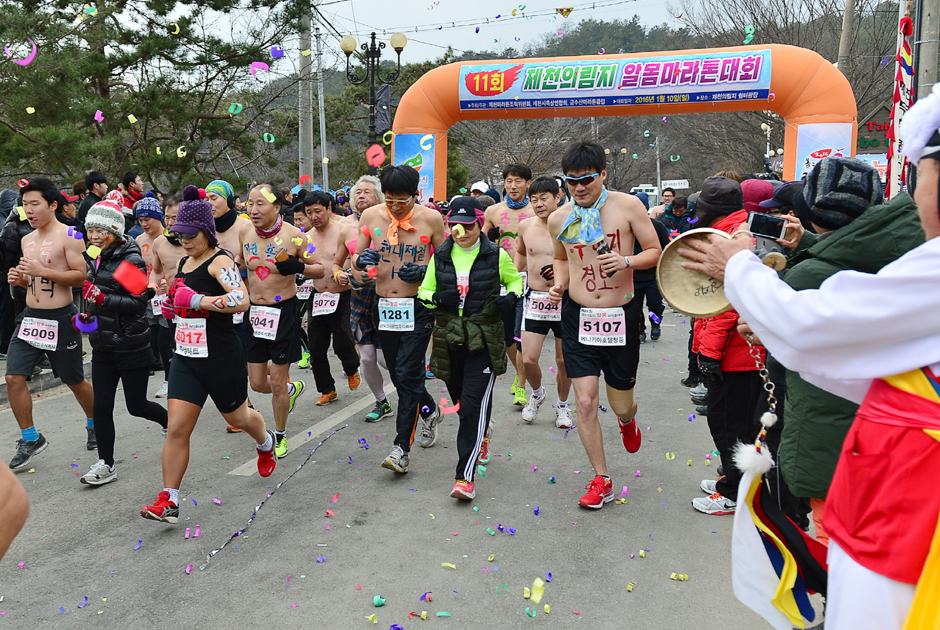
    Only in Korea: where winter means confetti, cheering crowds, and runners brave enough to race in almost nothing.

    Official Name: The 18th Uirimji Samhan Chorok-gil Naked Marathon
    Date: January 11, 2026 (Sun)

    • Gathering Time: 09:00
    • Race Start: 11:00
      Location: Uirimji Waterside Stage, Jecheon, Chungcheongbuk-do
      Distance: 7 km
      Organizer: Jecheon Athletics Federation

    Set by the scenic Uirimji Lake, this marathon blends winter endurance with beautiful natural views. Jecheon is known for its clean air, forest trails, and calm lakeside scenery—making this event feel more like a winter festival than a hardcore race.

    Registration Details

    • Registration Period: November 17, 2025 – January 4, 2026 (first 900 participants)
    • Entry Fee: KRW 40,000
    • Souvenirs: Record certificate, finisher medal, prize draw opportunities
    • Time Limit: 1 hour 30 minutes

    The lakeside course is especially popular among runners who enjoy combining physical challenge with a scenic route. And after the race, many participants stick around Jecheon to enjoy hot local dishes and the city’s cozy winter cafés.


    A Unique Winter Running Experience in Korea

    Both events offer something you won’t find in most marathon calendars: a mix of Korean winter culture, community spirit, and the thrill of running in the cold. Whether you’re living in Korea or here on a winter trip, joining one of these races is a memorable way to experience local traditions—while also earning major bragging rights.

    If you’re looking for new ways to explore Korea’s running scene, Koodeep will keep guiding you deeper into the country’s unique sports and outdoor culture.
  • A Quick Guide to Korean Housewarming Culture: What to Bring and How to Prepare

    If you’re living in Korea and a friend invites you to their 집들이 (jipdeuri) — a Korean housewarming party — you’re getting a glimpse into one of the country’s most friendly and personal traditions. Housewarmings in Korea are casual, cozy gatherings where the host shows their new home and guests share food, drinks, and good wishes. Before you go, here are a few things to know so you can join the celebration smoothly.

    Traditionally, the classic 집들이 gift is toilet paper. It may sound unusual, but it carries symbolic meaning: the idea is that good fortune and success should “unroll” smoothly in the new home.

    However, modern housewarming gifts have become much more flexible. Many guests bring wine, scented candles, potted plants, or simple interior décor items that can brighten the host’s new space.

    If you’re a foreigner in Korea, bringing a small gift from your home country can be especially meaningful. Items like regional snacks, tea, local crafts, or even a bottle of wine from your hometown often feel personal and thoughtful. Korean hosts appreciate cultural exchange, and this kind of gift becomes a great conversation starter during the gathering.

    Housewarming parties in Korea typically involve sharing food — whether home-cooked dishes, delivery chicken, tteokbokki, or snacks and drinks everyone enjoys together. The atmosphere is relaxed, so dressing casually and arriving on time is perfectly acceptable.

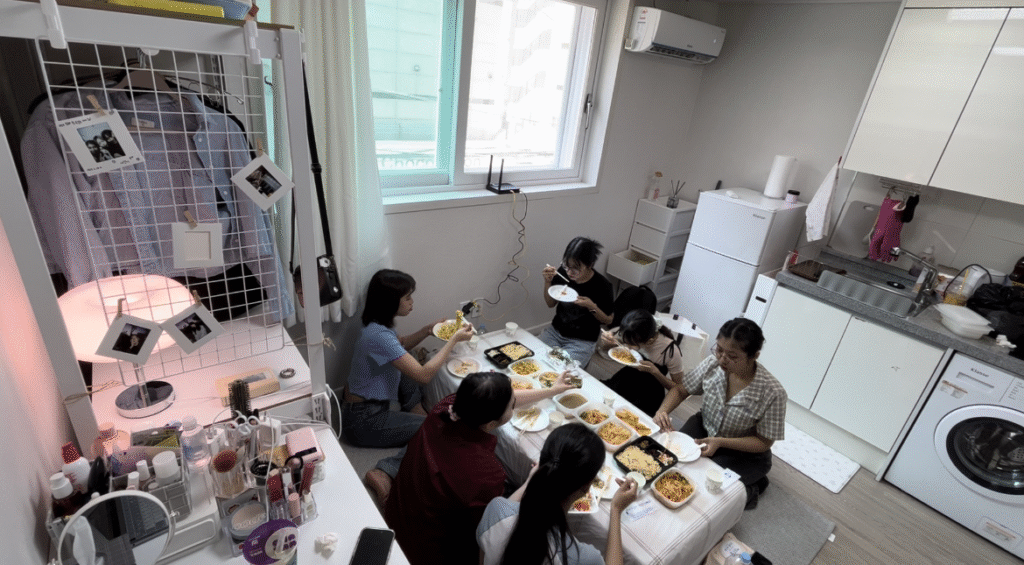
    Food is always at the heart of a Korean housewarming — everyone gathers, shares a meal, and celebrates the new home together.

    Whether you’re new to Korean culture or looking to deepen friendships, attending a 집들이 is an easy way to connect. With a simple, heartfelt gift and an open attitude, you’ll fit right in. If you’d like, I can also help create a short checklist or a social-media caption to go along with this post.

  • Namsan Sky Forest Trail Attracts 90,000 Visitors in Its First Month: Seoul’s Newest Nature Hotspot

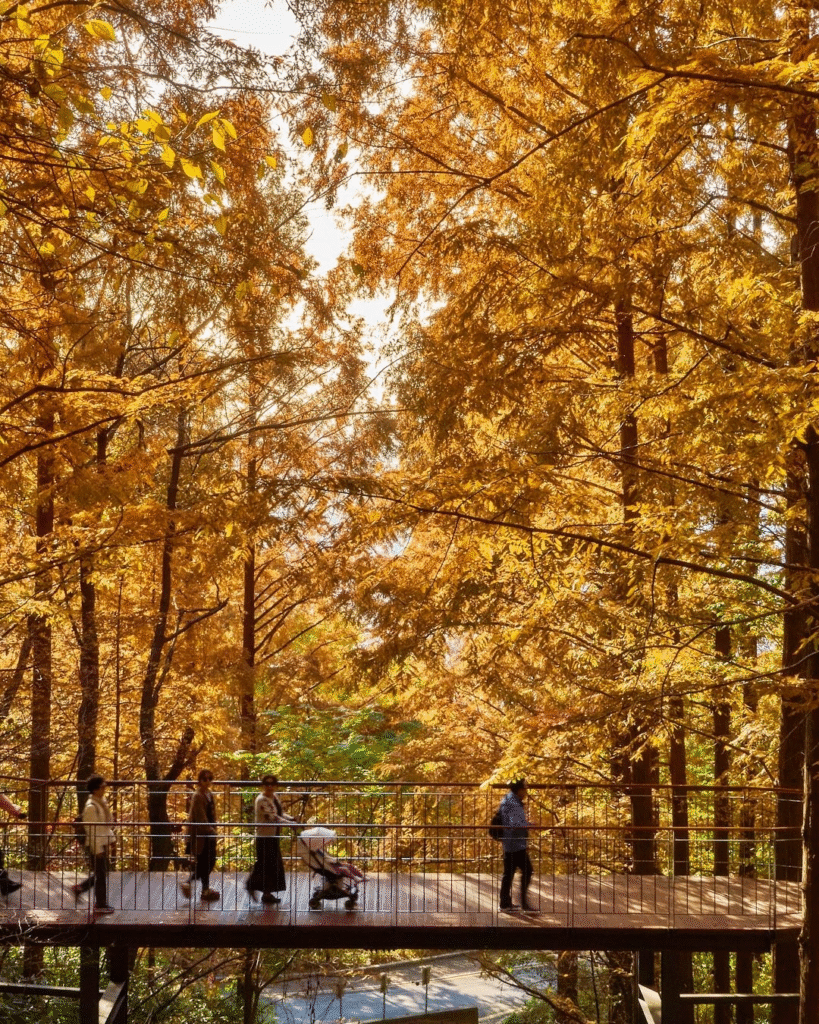
    Seoul has a brand-new urban nature trail, and it is already becoming one of the city’s most talked-about attractions. The Namsan Sky Forest Trail, which officially opened in October 2025, welcomed more than 90,000 visitors within its first month—a remarkable number that signals its rise as a must-visit destination for both locals and international travelers.

    During peak autumn foliage in mid-November, the trail saw more than 6,600 visitors in a single day, instantly cementing its status as one of Seoul’s newest fall-season hotspots. But this trail isn’t just about seasonal scenery. Designed as an inclusive, fully accessible forest walkway, it offers year-round nature, panoramic city views, and a comfortable walking experience for people of all ages and mobility levels.


    What Makes the Namsan Sky Forest Trail Special

    The trail was created to solve a long-standing issue: Namsan’s steep slopes and mixed traffic previously made parts of the mountain difficult and sometimes unsafe for pedestrians. After two years of development, the city transformed this section into a barrier-free decked walkway where wheelchairs, strollers, older visitors, and anyone with limited mobility can move with ease.

    Separated from vehicle and bicycle traffic, the Sky Forest Trail now functions as a pedestrian-only green corridor winding along Namsan’s southern slope.

    Along the route, you’ll find:

    • Eight scenic viewpoints designed for panoramic photography
    • Eight “attraction points” highlighting forest features, cultural elements, and city landscapes
    • A viewing deck overlooking downtown Seoul
    • Adventure bridge areas that younger visitors can enjoy
    • A pine grove where “successor pine trees” grown from Namsan’s original pine seeds are planted

    Clear signage in five languages (Korean, English, Chinese, Japanese, Spanish) makes the trail especially friendly for international visitors.

    In winter, the Sky Forest Trail is expected to turn into a snowy forest walkway with soft lighting that creates a calm, atmospheric landscape. In spring, cherry blossoms fall like rain along the deck path; in summer, the trail becomes a tunnel of deep green; and in autumn, golden and red leaves fill the slopes. Seoul officials expect this route to become one of the city’s signature four-season nature attractions.


    How to Visit the Namsan Sky Forest Trail

    The trail connects Sowol Garden (near Namsan Library) and Health Garden (near Namsan Exercise Park). Here are two simple routes depending on where you start:

    Starting at Sowol Garden (Namsan Library)

    1. Take Subway Line 4 to Hoehyeon Station, Exit 5
    2. Transfer to Bus 402 or 405
    3. Get off at Namsan Library
    4. Cross the road to Sowol Garden, where the trail begins

    Starting at Health Garden (Namsan Exercise Park)

    1. Take Subway Line 3 or 4 to Chungmuro Station, Exit 2
    2. Transfer to Bus 01A or 01B
    3. Get off at Namsan Seoul Tower stop
    4. Walk about 450 meters downhill along the southern road
    5. Cross the intersection to reach the Health Garden entrance

    Both directions offer smooth, barrier-free deck paths and access to the full Namsan Sky Forest Trail experience.


    Why Foreign Visitors Should Add This Trail to Their Seoul Itinerary

    For travelers looking for a blend of nature and city views without strenuous hiking, the Namsan Sky Forest Trail is uniquely appealing. It combines:

    • Walkability suitable for all ages
    • Beautiful photo points overlooking Seoul
    • Easy access from central districts like Myeongdong and Chungmuro
    • A chance to explore Namsan’s natural forest without the steep climbs

    And with nearly 40 percent of its early visitors coming from outside Korea, the Sky Forest Trail is already on its way to becoming one of Seoul’s new global attractions.

  • 2025 K-Rice Festa: Korea’s Biggest Festival for Rice, Makgeolli & Traditional Liquor

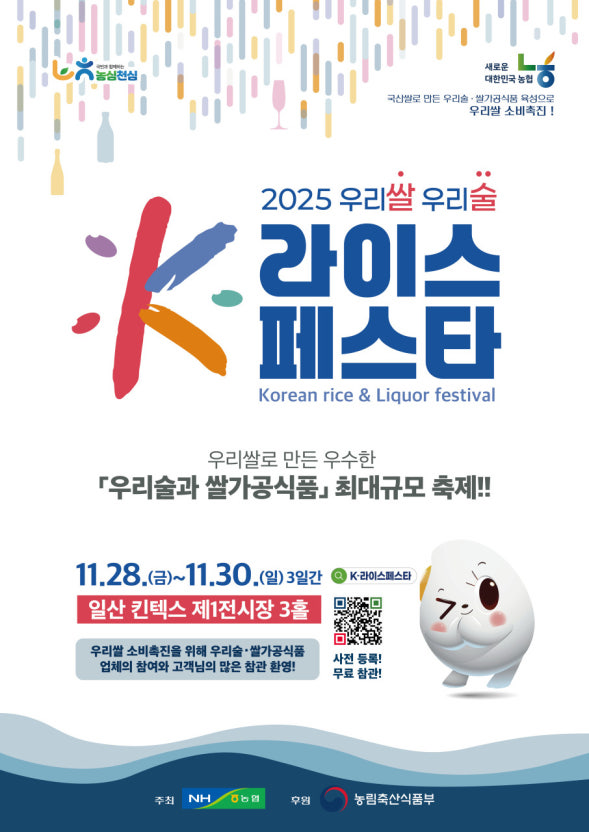
    If you’re curious about Korean traditional alcohol — especially rice-based drinks like makgeolli, yakcheongju, and soju — the 2025 우리쌀·우리술 K-라이스페스타 (K-Rice Festa) is one event you shouldn’t miss. This three-day festival, held at KINTEX in Goyang (Ilsan), has become the largest national celebration dedicated entirely to Korean rice, craft liquor, and premium rice-based food products.

    Perfect for food travelers, makgeolli fans, and anyone who wants a deep dive into Korea’s rich alcohol-making heritage, K-Rice Festa offers hands-on experiences, tastings, competitions, and cultural programs — all centered around Korean-grown rice.


    What You Can Experience at K-Rice Festa 2025

    Over 200 Types of Korean Rice-Based Alcohol

    Visitors can taste and compare an incredible lineup of drinks made from domestic Korean rice:

    • Makgeolli (Korean rice wine)
    • Distilled soju & artisanal spirits
    • Yakcheongju (medicinal-style premium rice wine)
    • Rice-based wines and liqueurs
    • Rice snacks & innovative processed foods

    For anyone building a palate for Korean alcohol, this festival is like discovering a full map of regional brewing styles, fermentation methods, and modern craft techniques.


    Hands-on Programs & Cultural Activities

    K-Rice Festa isn’t just a tasting event — it’s a full cultural experience. Popular programs include:

    • Makgeolli Brewing Workshop — learn to make your own batch
    • “Find the Golden Rice” Treasure Hunt — fun for groups
    • K-Food Art Competition
    • Talk Concerts with Brewers & Founders
    • “Alcohol MBTI Test” — find the drink that matches your personality
    • Traditional Korean Dining Table Contest (주안상 대회)
    • Guided Docent Tours highlighting brewing history

    These activities make the festival accessible even for beginners who are discovering Korean alcohol for the first time.


    Award-Winning Rice Alcohol Products

    Each year, the festival hosts a large-scale judging session.
    For 2025, 470+ companies submitted over 780 products, and 28 award winners were selected across seven categories. These winners often represent some of the best new bottles to try if you’re building your Korean liquor collection.

    You can also purchase award-winning products later at:

    • 6 major Nonghyup Hanaro Mart locations in the Seoul metropolitan area
    • Nonghyup Mall (online)
      This makes it easy to revisit your favorite tasting from the festival.

    Where It Takes Place: KINTEX (Goyang)

    KINTEX is one of Korea’s largest exhibition centers, located northwest of Seoul.
    Here’s how to get there easily:

    Option 1: GTX-A Line → Kintex Station

    • Board GTX-A from Seoul Station
    • Get off at Kintex Station (킨텍스역)
    • Walk 10–15 minutes to Exhibition Hall 1

    GTX-A is the fastest and most convenient option for most visitors.


    Option 2: Subway Line 3 → Daehwa Station

    • Take Seoul Subway Line 3 (Orange Line)
    • Get off at Daehwa Station (대화역) — the last stop
    • Walk about 10 minutes to KINTEX

    This route is slower but very straightforward, especially if you’re coming from central Seoul.


    Why K-Rice Festa Matters

    Korean rice isn’t just an ingredient — it’s tied deeply to the country’s brewing culture, agricultural identity, and regional traditions. With the rise of craft makgeolli, small-batch soju, and rice-based spirits, Korea is experiencing a renaissance in its alcohol scene.

    K-Rice Festa celebrates this movement by:

    • Supporting local farmers
    • Promoting high-quality Korean rice
    • Showcasing innovative rice-based products
    • Connecting visitors with Korea’s brewing heritage

    For international fans of Korean cuisine and traditional liquor, it’s one of the best places to explore new flavors and understand how rice shapes the food culture of Korea.

  • Must-Buy Winter Items at Daiso Korea

    If you arrived in Korea without realizing just how cold winter can get, you’re not alone — many newcomers underestimate the freezing winds and dry air of a Korean winter. Whether you’re commuting, exploring Seoul’s night markets, or just trying to stay warm on campus, there will come a moment when you suddenly need winter gear. Thankfully, Daiso — Korea’s famous budget lifestyle store — is packed with affordable, surprisingly good winter items. Here are the top essentials you should grab.


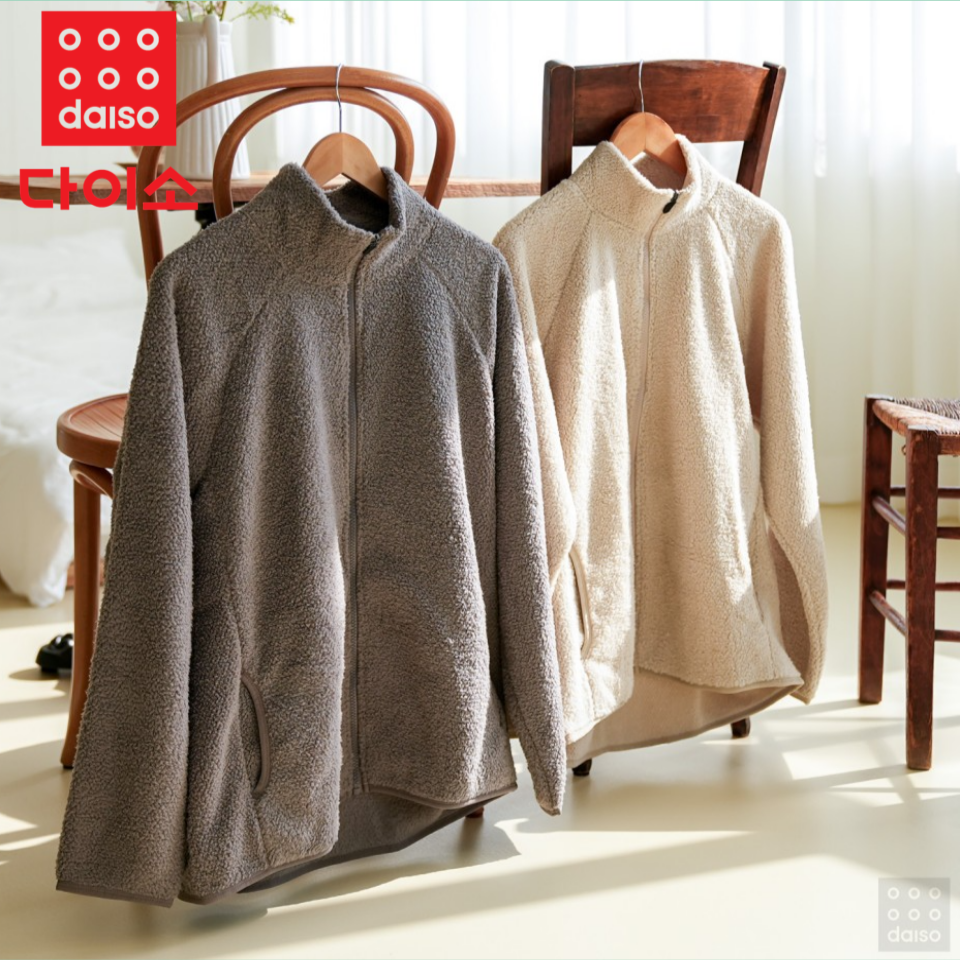
    1. Fleece Clothing (플리스) — Around 5,000 KRW

    Daiso’s fleece lineup is a lifesaver when temperatures drop. Lightweight, soft, and warm, these fleeces are ideal for layering under jackets or hoodies. They come in neutral colors, making them easy to style with your everyday outfits. Perfect for students, travelers, or anyone caught unprepared by the sudden chill.


    2. Padded Vest (패딩 조끼) — Around 5,000 KRW

    Yes, Daiso sells padded vests — and they’re shockingly decent for the price. If you don’t want to invest in a heavy winter coat yet, this is a great mid-layer that adds instant insulation without weighing you down. Ideal for indoor offices, libraries, or quick errands outside.


    3. Ear Muffs & Neck Warmers — 1,000–3,000 KRW

    These small accessories make a huge difference. Ear muffs keep your ears safe from icy winds, and neck warmers trap heat where you lose it the fastest. They’re light, portable, and cheap — easy to stash in your bag for emergency warmth. You’ll be surprised how essential they become once the wind picks up in Seoul.


    4. Heat Packs (핫팩) — Around 1,000 KRW per pack

    Korean winter survival rule #1: always keep a heat pack in your pocket. Daiso sells various sizes — from palm warmers to body-size packs that stick inside your coat. They stay hot for hours and are perfect for winter festivals, outdoor markets, or even waiting at the bus stop on a freezing morning.


    5. Handy Lint Remover (보풀제거기) — Around 5,000 KRW

    Winter clothing often attracts more lint and fuzz because of static electricity. A small handheld lint remover from Daiso keeps your sweaters, scarves, and coats looking clean and tidy. It’s not exactly a “stay warm” item, but it’s undeniably a winter essential — especially if you want your clothes to last all season.


    Final Tip

    Korean winter hits harder than many expect, but with a quick stop at Daiso, you can gear up without spending much. Whether it’s fleece layers, warm accessories, or tiny comforts like heat packs, these small items can make your Korean winter not only warmer, but a lot more enjoyable.

  • Daejeon Fireworks Festival 2025: A Massive Celebration Lighting Up the Gapcheon River

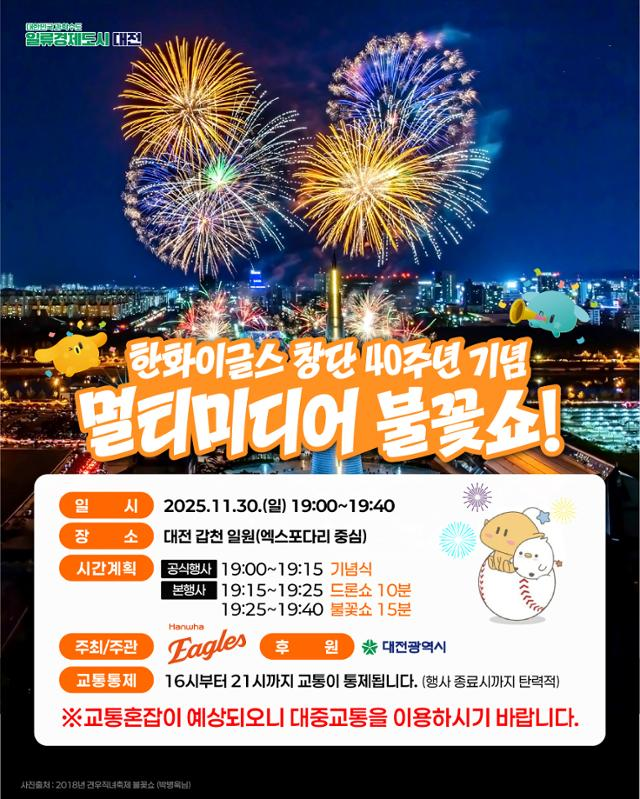
    If you’re traveling in Korea this winter and looking for a spectacular night outside Seoul, the Daejeon Fireworks Festival 2025 is one event you shouldn’t miss. Taking place on November 30 along the Gapcheon River and Expo Bridge, this year’s festival celebrates the 40th anniversary of the Hanwha Eagles and the team’s incredible 2025 Korean Series run—making it one of the most anticipated winter events in Korea.

    The evening kicks off at 7:00 PM with an official ceremony, followed by a high-energy drone show. Then comes the main attraction: a 15-minute multimedia fireworks performance designed by the same team behind the iconic Seoul Yeouido World Fireworks Festival. With 20 billion KRW worth of pyrotechnics, expect synchronized bursts, river reflections, and a dazzling skyline that transforms central Daejeon into a glowing stage.

    As the biggest fireworks show ever held in Daejeon, the excitement is already visible across the city. Hotels near the festival area have been fully booked for weeks, and local cafés and restaurants are preparing for huge crowds. Organizers project around 50,000 spectators, but Daejeon City is preparing for up to 300,000 visitors, showing just how massive this year’s turnout may be.

    To keep everything safe and smooth, more than 1,300 staff, including police, firefighters, and volunteers, will be deployed around Expo Bridge and nearby roads. Traffic control will be in effect from 4 PM to 9 PM, and several locations such as DCC’s underground parking and Dunsan Park will operate as temporary parking areas.

    For foreigners living in Korea—or anyone planning a weekend trip—this is one of the best chances to experience a large-scale Korean fireworks festival outside Seoul. If you want to capture unforgettable night photos, feel the baseball energy of the Hanwha Eagles fanbase, or simply enjoy a winter festival in Daejeon, head to Gapcheon early and prepare for a sky filled with color, sound, and celebration.

  • Where to Watch the 2025 Geminid Meteor Shower in Seoul (Dec 13–14) — Best Times & Best Spots

    If you’ll be in Seoul this winter, mark your calendar: the 2025 Geminid Meteor Shower will reach its peak on December 13–14, and it’s expected to be one of the brightest and most reliable meteor showers of the year. Even better — you can enjoy it right here in Seoul, as long as you choose the right viewing spot.

    Below is your complete guide to when to watch, what to expect, and where in Seoul you’ll have the best chance of catching those fast, bright streaks across the winter sky.


    1. Peak Time: When You Should Look Up

    The Geminids are famous for producing 120–150 meteors per hour at peak — one of the strongest meteor showers annually.

    Best viewing window (Seoul time):

    • December 13 (Sat) late evening → December 14 (Sun) early morning
    • Most active between 10:00 PM and 3:00 AM
    • Visible with the naked eye — binoculars and telescopes actually make meteors harder to see

    Since lunar brightness in 2025 is expected to be low during the peak, conditions are especially good even in a bright city like Seoul.


    2. Best Places in Seoul to Watch the Meteor Shower

    Seoul’s light pollution can make stargazing tricky, but there are still several elevated, open, and surprisingly dark spots where the Geminids are visible.


    Ansan Park (안산공원, Seodaemun)

    Accessible and spacious, with trails leading up to areas where the skyline opens nicely.
    Great if you want a quiet, relaxed viewing experience close to the city center.


    Dream Forest (북서울 꿈의 숲)

    A wide, open park in northern Seoul with fewer high-rise buildings and less light pollution than central districts.
    You can lie down on the grass, look straight up, and enjoy long stretches of sky without obstructions.


    Bugaksan Palgakjeong Pavilion (북악산 팔각정)

    A classic night-view spot overlooking all of Seoul.
    High altitude + panoramic views = one of the best chances to spot bright meteors.
    It’s windy in winter, so bundle up.


    Naksan Park (낙산공원, Jongno/Daehangno area)

    Famous for night city views, but also excellent for stargazing because parts of the park have surprisingly dim lighting.
    Easy access makes it popular for casual meteor watching.


    Eungbongsan (응봉산)

    A small mountain with wide-open sky views and minimal tree cover.
    If you prefer a quiet hill with fewer crowds, this is a good choice.

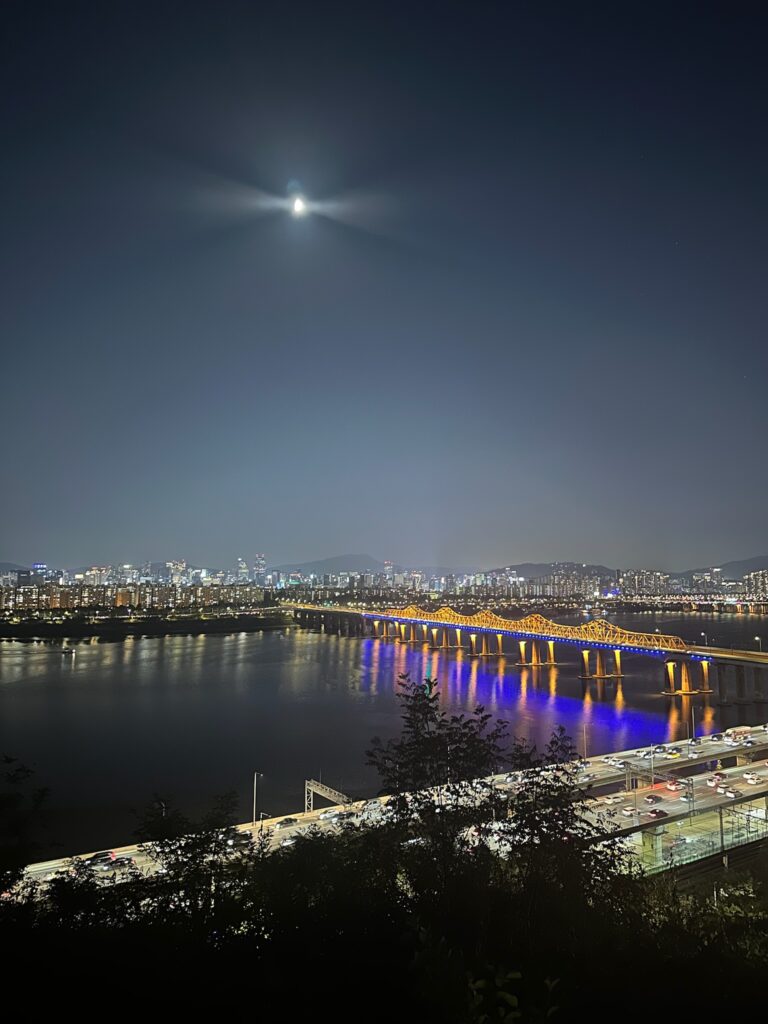
    Night view of Seoul from Eungbongsan — one of the city’s most peaceful spots for stargazing and winter meteor watching.

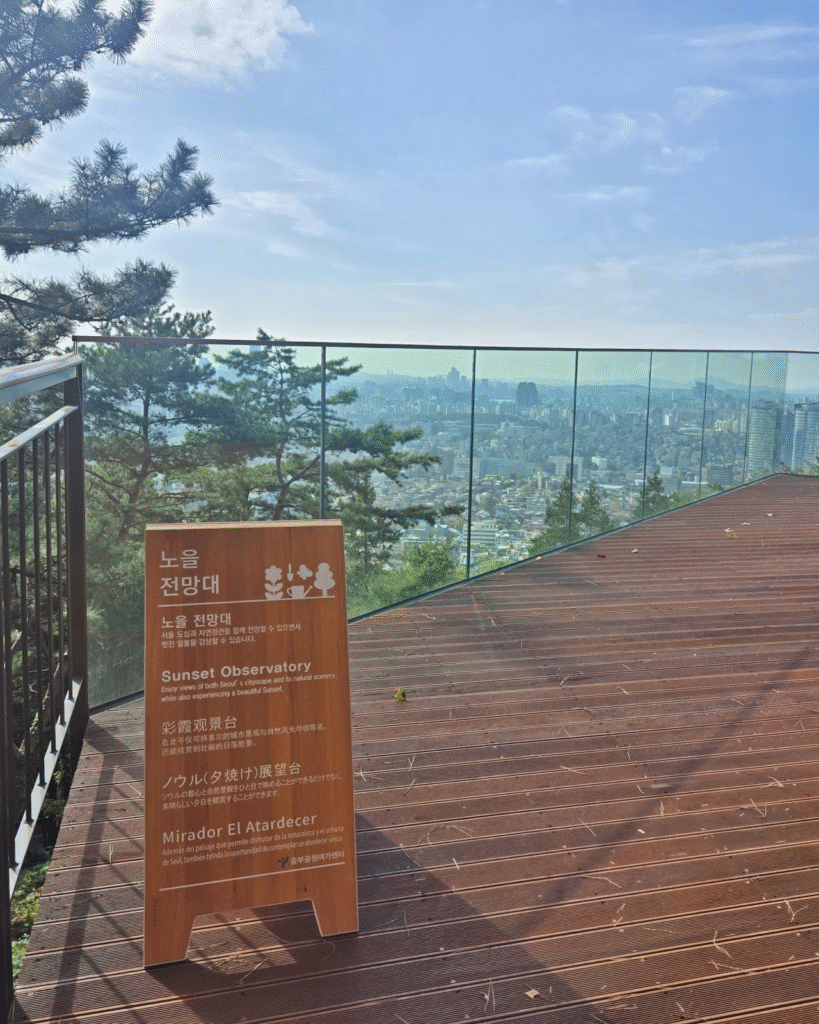
    Noeul Park (노을공원, Sangam World Cup Park)

    One of the best sunset parks in Seoul — and equally great for meteor showers.
    It’s elevated, open, and far from major traffic lights, giving you one of the widest skies in the city.


    3. Tips to Make Your Meteor-Watching Night Better

    • Bring warm layers — December nights in Seoul can drop below freezing.
    • Use your phone minimally — bright screens will ruin your night vision.
    • Give your eyes 15–20 minutes to adjust to the darkness.
    • Avoid areas near streetlights or tall buildings.
    • Look at the entire sky, not just one direction — Geminids can appear anywhere.

    4. Why the 2025 Geminids Are Worth Watching

    • High meteor rate (120–150 per hour)
    • Bright, slow meteors that are easy to spot
    • Moonlight interference is expected to be minimal
    • An ideal event for both beginners and astronomy lovers

    If you’re spending December in Seoul, this is one of the most magical winter experiences you can have — completely free, and unforgettable.

  • Stellar Haeundae: When Winter Nights in Busan Turn into a Galaxy

    If you head down to Busan this winter, you’ll find Haeundae Beach glowing in a way that feels almost otherworldly. From November 29, 2025 to January 18, 2026, the district transforms into a luminous seaside universe for the 12th Haeundae Light Festival, a yearly tradition that has become one of Korea’s most enchanting winter events.

    This year’s theme, “Stellar Haeundae,” imagines starlight flowing like waves across the city—starting from the entrance of Gunam-ro and drifting all the way to the dark, quiet ocean at Haeundae Beach. A giant illuminated gate welcomes visitors at the beginning of the street, followed by the Stellar Wave Zone, where rippling bands of light guide you toward the sea like a cosmic pathway. And of course, the iconic Christmas trees return this year in three sizes—3m, 5m, and 8m—decorated with small ornaments that help set a cozy holiday mood.

    Down at Haeundae Square, things get even more interactive. Every evening from 6pm to 10pm, visitors can try hands-on activities like sand art, line art, photo booths, and even energy-producing bicycles that light up installations as you pedal.

    The highlight at the beach itself is a huge 10-meter glowing Earth installation, used as part of a nighttime media-art show. Stretching 180 meters across the sand, the Haeundae Universe Zone recreates a Milky Way path lined with twinkling bulbs, planets, spaceships, and star sculptures. Walking here truly feels like strolling through a quiet interstellar world with the ocean right beside you.

    The official lighting ceremony opens on November 29 at 6pm, featuring a performance by DK from vocal duo December, followed by a fireworks display over the sea—one of the most magical ways to kick off the winter season.

    If your Korea plans include Busan, or if you’re already living here and want a break from city bustle, this festival gives you a rare chance to see Haeundae’s famous shoreline reimagined as a star-filled universe. Wrap up warm, grab a hot drink, and let the lights guide you through one of Korea’s most atmospheric winter nights.

  • Foreign Student Numbers Triple in 10 Years: Korean Campuses Are Becoming More Diverse Than Ever

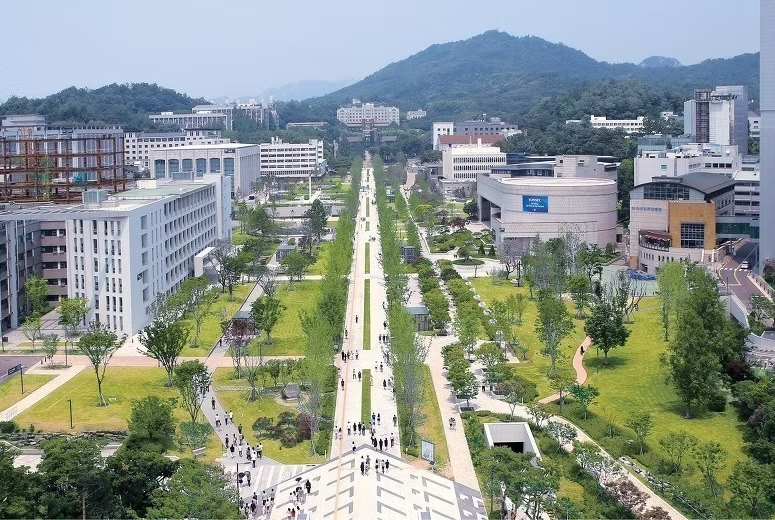
    K-culture isn’t just dominating global screens anymore—it’s filling Korean classrooms. As interest in Korea continues to surge, the number of international students enrolled in degree programs at Korean colleges and universities has grown dramatically. According to recent data from the Korean Educational Development Institute, as of April this year, 179,190 international students were pursuing degrees in Korea, a figure more than three times larger than in 2015.

    One of the most noticeable shifts is the changing composition of this student population. A decade ago, over 60% of all international students in Korea were from China. This year, for the first time, non-Chinese students outnumbered Chinese students. Chinese enrollment did rise in absolute numbers, but the increase from Southeast Asia and Central Asia was far more rapid.

    This spring, China still ranks first in total student numbers with around 68,000 students, but that now represents only 38% of all international degree-seeking students. Meanwhile, enrollments from other countries have soared—from about 20,000 non-Chinese students in 2015 to more than 111,000 today.

    The countries showing the fastest growth include:

    • Vietnam: 40,865 students (a nearly 1,000-person jump in just one year, and a sixteenfold increase over the past decade)
    • Uzbekistan: 14,318 students
    • Nepal: 12,626 students
    • Mongolia: 10,570 students

    Many of these students choose Korea because of its rising economic influence and strong job market. Some hope to find employment in Korea after graduation, while others plan to return home and work for Korean companies expanding across Asia. Still, some experts express concern that financially struggling universities may be competing too aggressively for foreign tuition, potentially affecting the overall quality of education.

    As a result, Korean campuses are undeniably becoming more global—walk through a student cafeteria or ride Line 2 at rush hour and you’ll hear a rich mix of languages that would have been rare just a decade ago. And as more international students arrive, so does the need for a helpful guide to navigate life here, from daily tips to cultural context.

    That’s where Koodeep steps in. If Korea is becoming more diverse year by year, someone has to help everyone dive a little deeper, right? So to all the new students exploring campus life in Korea—welcome, and feel free to deep dive with us anytime.

  • Winter Pro Sports to Enjoy in Korea

    Winter in Korea is the perfect season to enjoy fast-paced indoor sports.
    If you’re looking for something exciting to do on cold evenings, these three pro leagues—KBL basketball, V-League volleyball, and Asia League ice hockey—offer some of the most energetic atmospheres you’ll find in Seoul and nearby cities.
    Here’s a quick guide with simple introductions, where to watch, and the closest upcoming games.


    KBL – Korean Basketball League

    KBL games are lively, loud, and full of fan energy. In Seoul, two rival teams even play in neighboring arenas, making it easy to catch a game spontaneously.

    Seoul Samsung Thunders

    • Home arena: Jamsil Indoor Gymnasium
    • Subway: Jamsil Sports Complex Station (Line 2)
    • Next game:
      Dec 5, 2025 – 19:00 vs Suwon KT (Home)

    Seoul SK Knights

    • Home arena: Jamsil Students’ Gymnasium
    • Subway: Jamsil Sports Complex Station (Line 2)
    • Next game:
      Dec 13, 2025 – 14:00 vs Changwon LG (Home)

    Goyang Sono Skywalkers

    • Home arena: Goyang Sono Arena
    • Subway: Daehwa Station (Line 3)
    • Next game:
      Dec 5, 2025 – 19:00 vs Seoul SK (Home)

    V-League – Korean Professional Volleyball

    Volleyball is one of Korea’s most passionate indoor sports.
    Both the men’s and women’s leagues draw loud, enthusiastic crowds—perfect if you enjoy a high-energy match day.

    Men’s: Woori Card Woori Won

    • Home arena: Jangchung Arena
    • Subway: Dongguk Univ. Station (Line 3)
    • Next game:
      Nov 26, 2025 – 19:00 vs Hyundai Capital (Home)

    Women’s: GS Caltex

    • Home arena: Jangchung Arena
    • Subway: Dongguk Univ. Station (Line 3)
    • Next game:
      Nov 28, 2025 – 19:00 vs Jungkwanjang (Home)

    Uijeongbu KB Insurance Stars (Men)

    • Home arena: Kyungmin University Gymnasium (Uijeongbu)
    • Access: Take Line 1 or Line 7 to Dobongsan Station
      Shuttle buses available on game days
    • Next game:
      Nov 29, 2025 – 14:00 vs Hyundai Capital (Home)

    Asia League Ice Hockey – HL Anyang

    The Asia League brings together teams from Korea, Japan, and other regions, and currently HL Anyang is the only Korean club in the league.
    If you’ve never watched ice hockey in Korea, this is a unique winter experience you shouldn’t miss.

    HL Anyang

    • Home arena: HL Anyang Ice Rink
    • Subway: Beomgye Station (Line 4) + short bus/walk
    • Upcoming home series:
      Dec 12–14, 2025 – Three-game home stand vs Nikko Icebucks (Japan)

    The arena is known for its close-up views and intense fan atmosphere—perfect for first-time hockey fans.