December 13 is expected to bring a meteor shower across Korea, but for once, Busan may be the better place to look up. While Seoul is forecast to see snow and heavy cloud cover—making stargazing difficult—Busan’s weather tells a more hopeful story.
Rain is expected on the evening of December 13 in Busan, but forecasts suggest that the sky will gradually clear from the early morning of December 14, creating a narrow yet exciting window to catch shooting stars before sunrise.
Thanks to its milder winter climate and coastal geography, Busan often enjoys clearer skies than Seoul during cold snaps. If the clouds cooperate, heading out in the early hours could reward you with fleeting streaks of light across the winter sky. Below are some of the best places in Busan to watch meteor showers, especially for visitors and foreigners living in the city.
Best Stargazing Spots in Busan
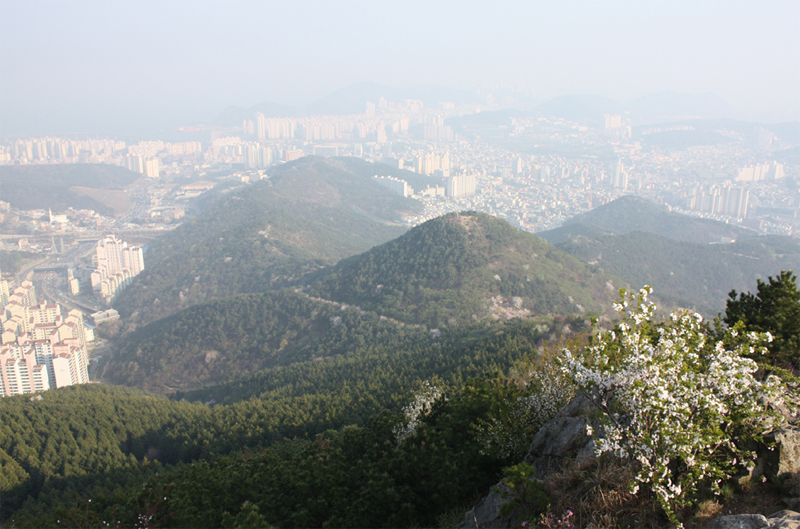
Geumryeonsan (금련산) is one of the most accessible stargazing spots in Busan, located near Gwangan and Millak. Despite being close to the city center, its elevation helps reduce light pollution, and the open viewpoints near the summit offer a surprisingly wide view of the night sky. It’s a popular choice for casual night hikers and those who want a balance between convenience and atmosphere.
Orangdae (오랑대), near Haedong Yonggungsa Temple, is a classic choice for night sky lovers. Facing the open sea, this area benefits from minimal artificial lighting and unobstructed horizons. The sound of waves and the dark ocean backdrop make it one of the most immersive places to watch meteors, especially in the quiet hours before dawn.
Dadaepo Beach (다대포해수욕장) is another strong candidate, particularly for beginners. The wide beach, open western horizon, and relatively low surrounding buildings make it easy to scan the sky. On clear nights, it’s one of the few places in Busan where you can stargaze without hiking, simply by standing on the sand and looking up.
Amnam Park (암남공원), located near Songdo, offers coastal cliffs and forested paths that block much of the city’s light. Certain lookout points within the park provide dark, elevated spaces ideal for early-morning meteor watching, especially if you prefer a quieter, nature-focused environment.
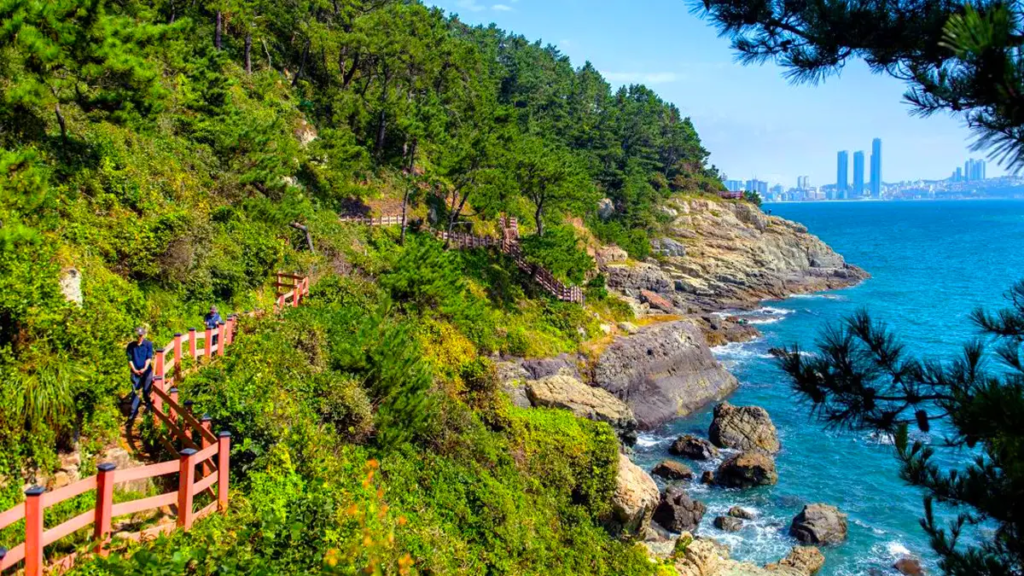
Igidae Coastal Walk (이기대 해안산책로) is less commonly mentioned for stargazing, but parts of the trail away from Gwangan Bridge lighting can be surprisingly dark. With the sea stretching out ahead and limited artificial light, it’s a great option for those who enjoy combining a night walk with sky watching.
Stargazing Tips for Busan in December
For the best experience, aim to go out between 3:00 a.m. and sunrise on December 14, when the sky is darkest and meteor activity is more noticeable. Dress warmly, bring a thermos if you can, and give your eyes at least 15–20 minutes to adjust to the darkness. Even if you only catch a few shooting stars, the experience of watching the winter sky over Busan is worth it.
Sometimes, all it takes is clearer skies and a bit of patience. This December, Busan might just be where Korea’s shooting stars choose to shine.
Leave a Reply