Category: K POP Deep

  • Where to Stay for BTS Concerts in Goyang: Best Hotel Areas for International Fans

    With BTS returning to Korea for their 2026 world tour, fans from all over the world are planning trips around the Goyang Stadium shows on April 9 and April 11–12. If you’re flying into Korea or traveling domestically for the concert, choosing the right area to stay can make your entire trip smoother and more enjoyable.

    Goyang sits just northwest of Seoul, which means several Seoul neighborhoods offer excellent access—without forcing you to stay right next to the stadium. Here are the best areas to consider, depending on your travel style.

    1. Hongdae / Sinchon – The Best All-Around Option

    Hongdae and Sinchon are often the top choice for international visitors, and for good reason. Goyang is located in the northwest of Seoul, making this area geographically convenient, and there are direct metropolitan buses (광역버스) that can take you to the Goyang Stadium area without complicated transfers.

    Beyond transportation, Hongdae and Sinchon offer exactly what many overseas fans want: lively nightlife, endless cafés, restaurants, shopping streets, and a wide range of hotels and guesthouses. If this is your first time in Korea, staying here lets you enjoy the concert while also experiencing one of Seoul’s most foreigner-friendly neighborhoods.

    2. Seoul Station Area – Ideal for Fast Transit and Multi-City Travel

    Staying near Seoul Station is another strong option, especially if you plan to travel beyond Seoul after the concert. From Seoul Station, you can take GTX-A directly to Kintex Station, which significantly cuts down travel time to Goyang. GTX trains are faster and more comfortable than regular subways, making concert-day travel less exhausting.

    Seoul Station is also Korea’s main transportation hub, so if you’re heading to Busan, Jeonju, or other cities after the show, this location is extremely convenient. The area around Seoul Station also offers a surprisingly wide range of hotels, from budget options to well-known international chains.

    3. Magok Station Area – A Smart Backup with Great Value

    As concert dates approach, affordable and well-located hotels in Hongdae or near Seoul Station tend to sell out quickly. In that case, Magok Station becomes a very smart alternative. This area has many newer hotels with good quality at relatively reasonable prices, and it’s much quieter than central tourist zones.

    Magok is also close to Gimpo Airport, making it perfect if you’re planning to connect your BTS trip with a quick getaway to Jeju Island. While it’s less lively than Hongdae, that also means fewer crowds and more rest. If traffic is smooth, a taxi ride to Goyang Stadium takes around 30 minutes, which is very manageable on concert days.

    4. Gimpo Hangang New Town – Calm, Affordable, and Surprisingly Close

    For fans who prefer a quieter stay and better hotel prices, the Gimpo Hangang area is worth considering. This planned new-town district is calmer than Seoul, with modern hotels that are often more affordable during peak concert periods. Goyang Stadium is only about a 20-minute taxi ride away, making it one of the closest non-Seoul options.

    Another advantage is nearby shopping, including Hyundai Premium Outlets Gimpo, which is great if you want to combine concert travel with shopping. This area works especially well for fans who value space, calm evenings, and cost efficiency over nightlife.


    For BTS concerts in Goyang, there’s no single “perfect” area—only the one that best matches your travel plans. Whether you want nightlife, fast trains, quiet comfort, or shopping-friendly locations, these four areas cover every style of stay. This is just the beginning of Koodeep’s BTS Korea travel series, designed to help you enjoy the concert and Korea a little deeper.

  • K-Body Scrub: Why Koreans Love Ttaemili and Where Travelers Can Try It

    K-pop and Korean dramas have already taken the world by storm — but lately, another everyday ritual has quietly entered the spotlight: ttaemili, the Korean tradition of body scrubbing. Pop culture helped push it into view.

    In K-Pop Demon Hunters, the K Pop group Huntrix relaxes inside a Korean jjimjilbang, soaking in hot baths and experiencing a professional scrub. For many viewers, it was their first introduction to public bath culture in Korea — and to a scrubbing ritual that looks intense, yet strangely refreshing.

    Ttaemili is more than a spa treatment. For many Koreans, it is about cleansing deeply, relaxing fully, and symbolically wiping away fatigue — even “scrubbing off the old year” around New Year’s Day. If you are curious about how it works and where you can try it, this guide walks you through everything.


    1. What exactly is ttaemili?

    Ttaemili refers to the deep exfoliating scrub, often performed by a trained professional called a sesin-sa (세신사).

    You first soak in warm baths or saunas so your skin softens. Then the sesin-sa uses a rough textured towel to scrub your entire body. Layers of dead skin roll off, leaving the skin smooth, light, and incredibly clean.

    It can feel strong — but most people say the result is worth it.


    2. Where can travelers experience ttaemili?

    You don’t need a luxury spa. In Korea, ttaemili is part of everyday life, and you can find it in:

    • Public bathhouses (목욕탕)
    • Jjimjilbangs (찜질방) — large bath and sauna complexes
    • Private one-person scrub shops, many designed with foreign visitors in mind

    Almost every bath facility has a scrubbing section with professional sesin-sa (세신사), typically women for women and men for men. The service usually costs around 30,000–60,000 KRW, depending on location and what is included (body scrub only, or body plus light massage, etc.).

    Compared with Western spa exfoliation treatments, it is surprisingly affordable — and much more traditional.

    Because demand from foreign visitors has surged, some hotels now even offer scrub packages.


    3. Helpful Korean phrases to use

    You can manage with English in most places, but a few Korean phrases make everything easier — and friendlier.

    • “때 밀고 싶어요.” (ttae mil-go si-peo-yo)
      I would like to get a body scrub.
    • “덜 아프게 해주세요.” (deol a-peu-ge hae-ju-se-yo)
      Please do it more gently.
    • “세게 해주세요.” (se-ge hae-ju-se-yo)
      Please do it stronger.
    • “얼마예요?” (eol-ma-ye-yo)
      How much is it?

    Even saying one sentence in Korean usually brings a smile — and helps you get exactly the kind of scrub you want.


    4. The famous ttaemili towel

    If you’d rather try self-scrubbing, Koreans use a special towel called 때수건 (ttaemili towel). It is rougher than normal cloth, which is why it works so well after a long soak.

    You can buy it easily:

    • Daiso (the popular discount store found everywhere)
    • Traditional markets
    • Household goods shops and some convenience stores

    They are cheap, and many tourists buy multiple towels as gifts because they feel “so uniquely Korean” with their vivid colors.


    5. What does ttaemili mean to Koreans?

    Beyond exfoliation, ttaemili is tied to family memories and care. Parents scrubbed children, grandparents scrubbed grandchildren — the bathhouse was a place to talk, relax, and bond.

    There is also symbolism. Many families still visit the bathhouse around January 1st to scrub themselves clean, as if removing the past year and welcoming the new one with a refreshed body and spirit.

    Ttaemili is everyday, practical — and quietly meaningful.


    6. A rising global trend

    With dramas, films, and social media showing jjimjilbang scenes, curiosity exploded. Shops report foreign travelers buying dozens of towels at once. Hotels and boutique scrub studios are adding specialized scrub programs because most of their customers are now international.

    What used to be an ordinary weekend ritual is now joining K-food and K-beauty as another global curiosity: K-scrub.


    7. Is ttaemili right for everyone?

    If your skin is extremely sensitive or you have medical conditions, ask first or choose a very gentle scrub. Otherwise, most visitors simply adjust the pressure — lighter or stronger — and enjoy the feeling of deep cleansing.

    The rule is simple: soak long enough, relax, and let the sesin-sa do their job.


    Final thoughts

    Ttaemili may look unusual at first, but it reveals something beautiful about Korean culture: care, renewal, and the comfort of shared rituals. Whether you experience it in a neighborhood bathhouse, a jjimjilbang, or a dedicated scrub studio, it offers one of the most authentic ways to experience daily life in Korea.

  • Why Now Is the Perfect Time to Travel to Korea

    Many people feel that everyone is suddenly traveling to Korea—and the numbers prove it. According to the Ministry of Culture, Sports and Tourism, Korea is expected to welcome over 18.7 million international visitors this year, the highest figure in history and well beyond the pre-pandemic record set in 2019. That translates to one foreign visitor entering Korea every 1.68 seconds. This surge isn’t accidental. It reflects a unique moment where affordability, government support, and global interest in Korean culture all align, making right now an exceptionally good time to visit.


    1. A Weaker Korean Won Means Korea Is More Affordable Than Ever

    One of the biggest reasons Korea has become such an attractive destination is the exchange rate. The Korean won has fallen significantly against major currencies, meaning travelers paying in USD, EUR, or JPY get far more value for their money than in past years.

    Hotels, food, transportation, shopping, and even beauty services feel noticeably cheaper compared to just a few years ago. From boutique hotels in Seoul to street food in Busan, travelers can enjoy high-quality experiences at prices that feel surprisingly reasonable. For budget-conscious travelers—or those looking to upgrade their travel style without overspending—this is a rare window of opportunity.


    2. Korea Is Actively Rolling Out Benefits for Foreign Visitors

    Korea isn’t just passively enjoying increased tourism—it’s actively encouraging it. The government and tourism industry are working together to make travel easier, cheaper, and more rewarding for foreigners. Nationwide events such as large-scale shopping festivals (Korea Grand Sale Festa is one example), airline promotions, hotel packages, tax-refund expansions, and foreigner-friendly payment systems are all part of this push.

    From duty-free perks to transportation discounts and multilingual services, Korea is investing heavily in convenience. These efforts are especially noticeable in major travel hubs like Seoul, Busan, and Jeju, but many benefits extend nationwide. For visitors, this means fewer barriers, smoother logistics, and more value packed into a single trip.


    3. K-Content Has Made Traveling Korea More Fun Than Ever

    Korea today offers far more than sightseeing—it offers stories you already care about. The global success of K-pop, Korean dramas, films, and even animation and gaming has transformed ordinary travel spots into cultural touchpoints. Fans now visit filming locations, concert venues, pop-up stores, themed cafés, exhibitions, and immersive experiences tied to their favorite artists and shows.

    With the continued rise of K-content—from chart-topping idol groups to globally streamed series and animated hits—traveling in Korea feels interactive and personal. Food, fashion, sports, nightlife, and even baseball stadiums have become part of the broader K-culture experience. For many travelers, Korea isn’t just a place to see—it’s a place to participate.


    Takeaway

    Record-breaking visitor numbers, a favorable exchange rate, strong government support for tourism, and an explosion of globally loved K-content have created a perfect storm for travelers. Korea right now is affordable, welcoming, exciting, and culturally rich in ways that are hard to replicate. If you’ve been waiting for the right moment to visit—or revisit—this might be the best timing yet.

  • Korea Grand Sale 2026 – Your Essential Winter Shopping Guide

    (Dec 17, 2025 – Feb 22, 2026)

    Many winter travelers think Korea slows down once the weather gets cold, but every year the Korea Grand Sale transforms the winter season into one of the most exciting times to visit. Launched to encourage tourism during the off-peak months, the nationwide festival brings massive discounts, cultural programs, and exclusive benefits tailored for foreign visitors. Running for 68 days from December 17, 2025 through February 22, 2026, this year’s edition expands both in duration and participating businesses, making it the largest Korea Grand Sale yet.


    1. What Makes the Korea Grand Sale Special?

    The festival has grown into Korea’s signature shopping tourism event, now supported by the Ministry of Culture, Sports and Tourism and the Visit Korea Committee. More than 1,750 companies across airlines, hotels, department stores, duty-free shops, convenience chains, attractions, and beauty services participate nationwide. From booking your flight to buying cosmetics downtown, visitors can unlock perks at nearly every stage of the trip.


    2. Huge Flight and Accommodation Discounts

    One of the most attractive benefits is discounted airfare. Ten major airlines, including Korean Air, will provide up to 96% off on international routes flying into Korea. Hotels are also joining with bundled cultural experiences: free ice-rink access at Banyan Tree Club & Spa Seoul, integrated palace admission tickets, K-beauty packages offering prepaid cosmetic cards, and other themed stays that combine accommodation with hands-on activities.


    3. Shopping Benefits: Duty-Free, Outlets, and Convenience Stores

    Department stores, duty-free shops, outlets, supermarkets, and convenience stores will offer expanded promotions for foreign customers. Benefits include gift vouchers based on purchase amounts, instant discount coupons, store-specific welcome gifts, and membership upgrades. Some platforms in partnership—such as Musinsa Standard or CJ Olive Young—will feature up to 90% discount events, plus exclusive items and trial programs available only during the sale.


    4. Easy Tourist Payment and Instant VAT Savings

    Foreign-friendly payment platforms like UnionPay and WOWPASS provide instant tax refunds and additional immediate discounts up to around 15% at participating stores. This means visitors can save money during checkout without extra steps or waiting for refunds at the airport.


    5. Experience-Based K-Lifestyle Programs

    Beyond discounts, this year’s edition expands cultural elements to reflect the increasing demand for experiential tourism. Programs fall under five lifestyle themes:
    K-Gourmet: food tastings and culinary experiences
    K-Exciting: entertainment and activities
    K-Stylish: beauty and fashion programs
    K-Healing: wellness and relaxation events
    K-Inspired: arts, heritage, and culture exhibitions

    Whether it’s beauty demonstrations, palace experiences, or Korean food tastings, these programs add a cultural dimension to shopping trips.


    Takeaway

    If you’re planning a winter trip to Korea, the Korea Grand Sale provides one of the best opportunities to stretch your travel budget while enjoying K-culture more deeply. From discounted flights and hotel packages to K-beauty shopping and cultural experiences, the 2026 edition brings together savings and creativity on a national scale.

    Checking sale benefits while planning your itinerary can make your winter journey smoother, more affordable, and full of memorable discoveries.

  • From Grandma’s Closet to Global Trend: Why Korea’s Kimjang Vest Is Everywhere This Winter

    1. From kimchi-making gear to fashion icon: the rise of the kimjang vest
    In recent years, Korea has seen a surprising fashion revival centered on the kimjang vest—a lightly padded, floral-patterned vest traditionally worn during kimchi-making season. What was once considered purely functional, and even a bit old-fashioned, has now become a trend leader among the MZ generation. This shift is closely tied to the broader rise of “Grannycore”, a style movement that reinterprets grandmother-era clothing as warm, nostalgic, and charming rather than outdated.

    Floral kimjang vests worn by Korean celebrities—once purely practical winter wear, now a Grannycore fashion icon loved by both locals and foreign visitors.

    Data backs this up: searches for “kimjang vest” increased more than fivefold in a single month, and the item has even ranked among top sellers on youth-oriented shopping platforms.

    2. Why MZ loves it: nostalgia, comfort, and price
    The appeal of the kimjang vest is surprisingly practical. Designed to withstand cold kitchens during winter kimchi preparation, it features a quilted structure, warm inner lining, and a loose silhouette that makes layering easy. For younger consumers, the “cheerfully tacky” floral patterns and oversized fit feel cozy rather than awkward.

    Just as important is the price: at traditional markets like Namdaemun and Dongdaemun, kimjang vests are often sold for around 5,000 KRW, while street stalls in areas like Myeongdong or Seongsu usually price them between 10,000–20,000 KRW. Even Daiso sells kimjang vests for about 5,000 KRW, making them one of the cheapest ways to participate in a uniquely Korean fashion trend.

    3. Celebrity influence and global spread
    The kimjang vest’s leap from local markets to global visibility was accelerated by celebrities. K-pop stars such as Jennie (BLACKPINK), Karina (aespa), and even G-Dragon have been spotted wearing floral padded vests, instantly reframing the item as stylish rather than purely nostalgic. Once these images spread on social media, foreign fans began actively looking for “that Korean grandma vest” during their trips to Seoul. Japanese and European tourists, in particular, have embraced the kimjang vest as a playful symbol of everyday Korean life—something locals actually wear, not just a souvenir.

    4. A perfect souvenir (even for dogs)
    Another reason for its popularity among travelers is how gift-friendly it is. Lightweight, inexpensive, and available in endless colors, kimjang vests are easy to buy in multiples—many shoppers pick up several at once for family or friends.

    There are even kimjang vests designed for dogs, which makes them a memorable and humorous gift for pet lovers. In that sense, the kimjang vest has become more than clothing; it’s a small, wearable piece of Korean daily culture that blends warmth, humor, and nostalgia.

  • Why Korea Is a Global Hub for Medical Tourism: Affordable World-Class Care Meets K-Culture in Seoul

    Korea has quietly become one of the world’s most attractive destinations for medical tourism, and the reason is simple: top-tier medical services at remarkably affordable prices, combined with a travel experience that goes far beyond hospitals and clinics. Today, medical tourism in Korea is no longer just about treatment—it is about beauty, recovery, culture, and lifestyle, all seamlessly woven into one trip.

    At the heart of this trend is Korea’s globally recognized strength in dermatology and plastic surgery. These fields consistently rank at the top of foreign medical spending, reflecting Korea’s reputation for advanced technology, skilled specialists, and refined aesthetic sensibility. What makes Korea stand out, however, is that this level of care comes at a fraction of the cost found in many Western countries, without compromising quality or safety.

    But Korea’s appeal goes far beyond medical procedures alone. Unlike traditional medical tourism destinations, Korea offers a fully integrated experience. Visitors often combine medical appointments with skincare shopping, K-beauty treatments, wellness programs, and even K-POP-inspired experiences. It is not uncommon for patients to attend concerts, visit filming locations of Korean dramas, or enjoy traditional cultural activities while recovering. This unique combination turns medical travel into a well-rounded lifestyle journey rather than a purely clinical visit.

    Seoul: The Center of Korea’s Medical Tourism

    Within Korea, Seoul dominates the medical tourism landscape, accounting for the vast majority of foreign medical spending. The city’s infrastructure, accessibility, and concentration of top hospitals and clinics make it the natural first choice for international patients. Medical services here are tightly connected with shopping, dining, and accommodation, creating a smooth and comfortable experience even for first-time visitors.

    Why Gangnam and Apgujeong Are Ideal for Medical Travelers

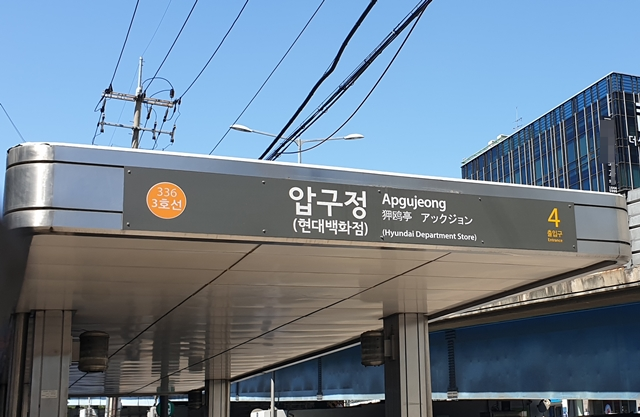
    Among Seoul’s districts, Gangnam and Apgujeong stand out as the most popular areas for medical tourists—and for good reason. These neighborhoods are home to hundreds of specialized dermatology and plastic surgery clinics, many of which cater specifically to international patients with multilingual staff and concierge-style services.

    Gangnam an Apgujeong are two of the ideal areas for medical travelers in Seoul.

    Beyond medical facilities, Gangnam and Apgujeong offer everything a medical traveler might need: luxury hotels, serviced residences, high-end department stores, and countless cafés and restaurants suitable for recovery-friendly meals. The areas are walkable, safe, and designed around convenience, making them ideal for short-term stays as well as longer recovery periods.

    A Destination That Blends Care, Beauty, and Culture

    What truly sets Korea apart is how naturally medical care blends with everyday life and culture. Patients can move effortlessly from a clinic appointment to a skincare flagship store, from a recovery café to an art gallery, and from a wellness spa to a cultural landmark—all within the same neighborhood. This layered experience is difficult to replicate elsewhere and is a major reason why repeat visits are so common.

    As global interest in wellness, beauty, and preventative care continues to grow, Korea’s medical tourism model offers a compelling blueprint. High-quality healthcare, transparent pricing, cultural richness, and urban convenience come together in a way that feels both efficient and enjoyable.

    For travelers considering medical tourism, Korea—and especially Seoul’s Gangnam and Apgujeong districts—is not just a place to receive treatment. It is a destination where healthcare meets lifestyle, and where a medical trip can feel like a thoughtfully curated journey into modern Korean culture.

  • From Fan Gifts to Giving Back: How K-Pop’s “Support Culture” Is Evolving

    K-pop fandom is famous for its passion, creativity, and emotional closeness between artists and fans. One of the most distinctive expressions of that relationship has long been “support culture”, often referred to as jogong—a tradition where fans send gifts, food trucks, or birthday presents to express love and encouragement. While this culture once symbolized devotion and celebration, recent changes show how K-pop continues to evolve in a more sustainable and positive direction, focusing on mutual care rather than material exchange.

    What Is “Jogong”? A Unique Part of K-Pop Fan Culture
    Jogong originally described an offering made to show respect or loyalty, and in modern K-pop it came to mean fan-organized gifts or support for artists. These ranged from handwritten letters and snack boxes to birthday billboards, coffee trucks, and carefully curated presents. At its core, jogong reflected fans’ desire to emotionally support artists during busy schedules, comebacks, and milestones—often organized collectively and with a strong sense of community.

    When Love Became Competition
    As K-pop grew globally, jogong sometimes became more visible—and more competitive. High-profile examples, especially involving popular idols with large international fanbases, drew attention to luxury gifts worth hundreds of thousands or even millions of dollars. While these gestures were rooted in affection, concerns began to rise about financial pressure on fans and an unspoken competition over scale rather than sincerity. What was meant to be heartfelt support sometimes risked becoming a burden.

    IVE’s Message: “Your Hearts Are Enough”
    Recently, IVE announced that they would no longer accept fan gifts or organized support, choosing to receive only fan letters instead. The message was simple and warm: appreciation for fans’ feelings, paired with a hope that time, energy, and money would return to places meaningful to fans themselves. This decision was widely interpreted not as rejection, but as care—an artist choosing fans’ well-being over material expression.

    IVE recently announced that they would no longer accept fan gifts or organized support, choosing to receive only fan letters instead, which depicts a growing trend across K-POP.

    A Growing Trend Across K-Pop
    IVE is far from alone. Over the years, artists such as BTS, IU, TWICE, SEVENTEEN, aespa, DAY6, and others have taken similar stances. Some explicitly refuse gifts, while others encourage alternatives like donations made in the artist’s name.

    In some cases, the culture has flipped entirely, with artists preparing “reverse support”—gifts, food, or events prepared for fans as a thank-you gesture. This shift reinforces the idea that fandom is a two-way relationship, built on respect rather than obligation.

    From Spending to Meaning: How Fans Are Adapting
    As gift-based support declines, many fan communities have redirected their passion into charitable projects, environmental campaigns, or social causes inspired by their favorite artists. These efforts preserve the spirit of jogong—love, unity, and impact—while aligning with values of sustainability and inclusivity. For international fans especially, this evolution makes K-pop fandom feel more accessible and emotionally grounded.

    Why This Evolution Feels Very “K-Pop”
    Rather than clinging to tradition, K-pop continuously redefines itself. The shift away from material-heavy support culture reflects maturity on both sides: artists acknowledging fans’ realities, and fans expressing love in healthier, more creative ways. It highlights one of K-pop’s most admirable traits—the ability to grow while keeping its emotional core intact.

    For newcomers exploring K-pop culture, this evolution offers a reassuring message. Loving an artist does not require spending money or competing with others. Sometimes, a letter, a stream, or shared joy is more than enough. And in today’s K-pop world, that message is being heard louder than ever.

  • Why Dispatch Dominates Korean Entertainment News: A Guide for Global K-Culture Fans

    Korea’s entertainment world has been buzzing lately, and much of that noise is coming from one source: Dispatch News Group, the country’s most influential celebrity news outlet.

    In recent weeks, Dispatch has published high-profile exclusives, including reports on actor Cho Jin-woong’s past criminal record and allegations involving comedian Park Na-rae’s treatment of her managers and unauthorized cosmetic procedures. These back-to-back scoops have once again pushed Dispatch to the center of public conversation. For anyone who follows K-pop, K-dramas, or Korean celebrity culture, knowing Dispatch is almost unavoidable.

    Dispatch is widely known for its investigative style—part paparazzi, part tabloid, and part detective agency. Founded in 2011, the outlet built its reputation through deep-dive reporting, long-form photo surveillance, and exclusives that often break before official statements are released. Its stories spread quickly across Korean portals, global social media, and international fan communities, making Dispatch a major force in shaping the narrative of Korean pop culture. Whether fans approve of its methods or not, its influence is undeniable: a single Dispatch article can shift public perception within hours.

    One of Dispatch’s most famous traditions is its annual January 1st dating scoop. Every New Year’s Day, the outlet releases an exclusive report revealing the romantic relationships of top celebrities—idol members, actors, or star couples who have kept their private lives hidden throughout the year.

    What began with the 2013 scoop on Rain (Bi) and Kim Tae‑hee set the tone for many years of high-stakes gossip. Over the years, couples revealed on New Year’s Day include Lee Seung-gi & YoonA (2014), Lee Jung-jae & Lim Se‑ryung (2015), Kim Junsu of TVXQ & Hani of EXID (2016), and more recently, Kai & Jennie (2019), Hyun Bin & Sohn Ye‑jin (2021), and IU & Lee Jong-suk (2023) — many of which sparked massive media buzz and social media firestorms.

    This “January 1st dating exclusive” has become almost a cultural ritual: fans stay up past midnight not just for the countdown, but to see who Dispatch will reveal next. As the new year approaches, speculation grows across online forums and social platforms. Will it be a power couple from the K-pop world? Two drama co-stars rumored to be close? Each year brings a new round of excitement and debate.

    Love it or hate it, Dispatch plays a defining role in how global audiences consume Korean entertainment news. Its scoops generate massive traffic, shape fandom discussions, and feed the never-ending curiosity surrounding Korean celebrities. For readers diving deep into K-culture, understanding Dispatch isn’t just helpful—it’s part of understanding the ecosystem itself.

  • Min Hee-jin vs. HYBE: New Details, Emotional Testimony, and a Legal Battle That K-pop Fans Can’t Look Away From

    The ongoing legal dispute between Min Hee-jin, former CEO of ADOR and the creative force behind NewJeans, and HYBE has revealed new twists—some dramatic, some emotional, and all deeply tied to one of the biggest behind-the-scenes conflicts in K-pop today.

    Min Hee-jin, the creative director behind some of K-pop’s most influential concepts and at the same time, a controversial figure.

    During the latest hearing at the Seoul Central District Court, Min Hee-jin shared a detailed account of how she first joined HYBE. According to her testimony, HYBE founder Bang Si-hyuk reached out to her just two days after she left SM Entertainment in 2018, saying he already knew through “internal sources” that she had resigned. Min described his recruitment efforts as intense—so much so that she told the court it felt like he was “almost kneeling” to bring her into the company. She also said Bang personally called her parents, asking for their support and emphasizing how much he wanted her to join HYBE.

    Min explained that Bang, who had previously struggled with producing the girl group GLAM, asked her for help building a new, successful girl group. Although she had also been in contact with Kakao Entertainment at the time, she ultimately chose HYBE because she felt Kakao required “too much groundwork” before a project could start.

    But the partnership didn’t last.

    HYBE claims Min attempted to “privatize” ADOR and damage HYBE and its labels, and in July 2023, they terminated their shareholder agreement with her. A month later, she was removed from her CEO position, and by November she had stepped down from all internal board roles. Min, in turn, argues that HYBE’s termination was invalid—and that she legally exercised her put option, which, if approved by the court, would require HYBE to pay her around 26 billion KRW (approximately $20 million USD).

    During the November 27 hearing, Min couldn’t hold back tears while speaking about her work with NewJeans. She highlighted the group’s historic Tokyo Dome fan meeting, saying, “A company that fires the CEO who achieved something like that is unreasonable.” She said managing ADOR had been “hellish at times,” but she endured because of NewJeans. She stressed that she had run the label transparently, insisting she had “no reason to be removed.”

    This lawsuit revolves around whether the shareholder contract was validly terminated and whether Min’s put option—which calculates compensation based on ADOR’s past earnings—can still be exercised. HYBE argues the contract was already dissolved, making the put option void. Min argues the opposite: that the contract was still active when she exercised the option.

    With the court expected to wrap up arguments on December 18, a first-instance ruling is expected early next year. And as the case continues, global fans of NewJeans, HYBE, and the wider K-pop industry are watching closely—because the outcome could reshape not only ADOR’s future, but also the power dynamics behind Korea’s most influential music labels.

    If you’re following K-pop beyond the stage—into the creative leadership, corporate battles, and complicated artistry that shape the industry—this is definitely a story worth keeping an eye on.