Category: K POP Deep

  • How to Get to the BTS “Arirang” World Tour: Goyang Stadium Guide

    The wait is finally over. BTS is returning as a full 7-member group to kick off their historic world tour right here in Goyang! With 40,000 fans expected per show (120,000 over three days), getting to the Goyang Sports Complex (Goyang Stadium) can be a challenge if you don’t have a plan.

    To make sure you don’t miss a single second of the “Arirang” era, here are the three best ways to reach the venue on concert day.


    🚀 Option 1. The “Golden Route”: GTX-A & Shuttle Bus

    Best for: Speed, comfort, and official MD shopping

    If you are coming from central Seoul, this is by far the fastest and most comfortable method. The newly opened GTX-A line connects Seoul Station to Kintex Station in just 16 minutes.
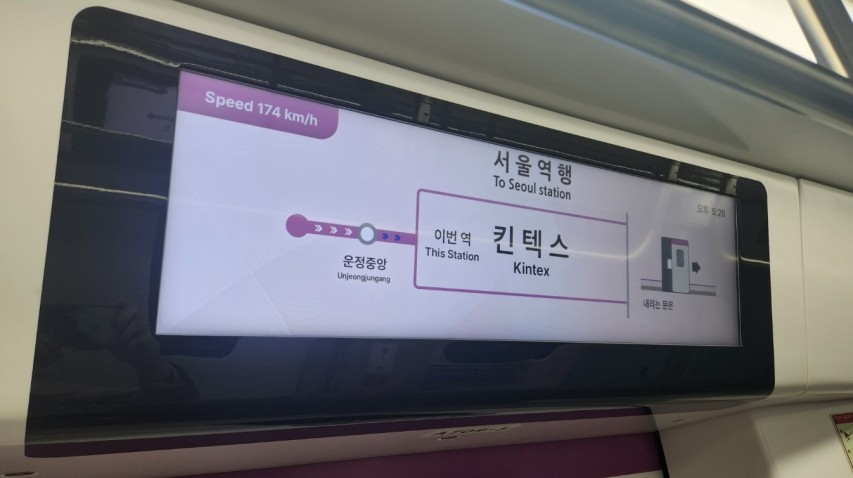
    • The Route: Take the GTX-A to Kintex Station. From there, hop on the official paid shuttle bus that runs directly to Goyang Stadium.
    • The Perk: Unlike other transport, this shuttle makes a special stop at Kintex Exhibition Center 2. This is where HYBE is hosting the Official MD (Merchandise) Store. You can arrive early, grab your “Arirang” tour t-shirts and lightsticks, and then head straight to the stadium.
    • Schedule: Shuttles run from 10:00 AM to 10:00 PM on concert days.

    🚍 Option 2. Direct Express Buses (Red Buses)

    Best for: Those staying in Hongdae, Sinchon, or Sangam

    If your accommodation is in western Seoul, the express “Red Buses” are incredibly convenient and often less cramped than the subway.

    • From Hongdae / Sinchon / Hapjeong: Look for the M7731 bus. It takes you directly to Daehwa Station (the stadium stop) with very few stops in between.
    • From DMC (Digital Media City): Take the 1000 bus. It’s a frequent, reliable line that drops you at Daehwa Station (the stadium stop).
    • Why choose this? These buses have a short dispatch interval, meaning you won’t be waiting long at the bus stop.

    🚇 Option 3. The Subway (Line 3 or Gyeongui-Jungang)

    Best for: Budget travelers and those familiar with the Seoul Metro

    The subway is the most common way to travel, but be prepared for heavy crowds of fellow ARMYs!

    • Line 3 (Orange Line): Take the train to the final stop, Daehwa Station. From Exit 3 or 4, it’s a short walk to the stadium. Warning: This line will be extremely crowded right before the show.
    • The “Secret” Detour (Gyeongui-Jungang Line): If you want to avoid the suffocating crowds of Line 3, take the Gyeongui-Jungang Line to Ilsan Station. From there, you can take a quick 15-minute ride on a local “Maeul” bus (like #056) to the stadium. It’s a bit more “local style,” but much breathe-able!

    📌 Koodeep’s Summary & Pro-Tips

    • Avoid Taxis: We strongly advise against taking a taxi or driving. The roads around Goyang Stadium will likely be in a total gridlock. Public transport is much more reliable.
    • T-Money is Key: Ensure your T-Money card is topped up with at least 10,000–20,000 KRW in advance so you don’t get stuck in line at the charging machines.
    • Follow the Purple: Goyang City is working closely with police and fire departments to ensure safety. Follow the staff directions and look for the purple signs!

    See you at the stadium!
  • Making the Most of Your BTS Weekend: 6 Must-Visit Spots in Goyang

    If you’re heading to Goyang Stadium this April 9th–12th for the BTS concert, you’re likely wondering what else there is to do in the area.

    Goyang (and its central district, Ilsan) is famously known as a “bed town”—a peaceful residential suburb of Seoul. While it might not be the first place on a typical tourist’s itinerary, it is actually a hidden gem for leisure. If you have a day to spare before or after the concert, there are plenty of spots nearby that offer a perfect blend of relaxation, entertainment, and local flavor.

    Here are six spots in Goyang to check out while you’re in town for the show!


    1. Goyang One Mount Water Park

    Best for: A splash of fun and Korean-style relaxation

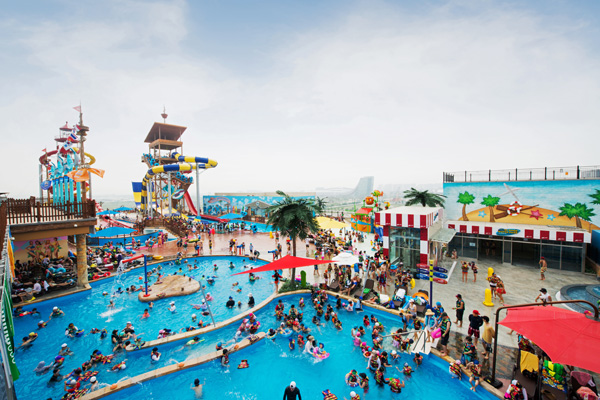
    Located just a 15-minute walk from Goyang Stadium, One Mount is incredibly convenient for concert-goers. It’s a massive complex featuring a rooftop outdoor pool with exotic vibes and a spacious indoor zone, making it a “four-season” destination regardless of the weather. If you want a true “K-experience,” head to the Jjimjilbang (Korean sauna) within the complex to soak your muscles and prep for a night of dancing.

    2. Hyundai Motorstudio Goyang

    Best for: Tech enthusiasts and car lovers

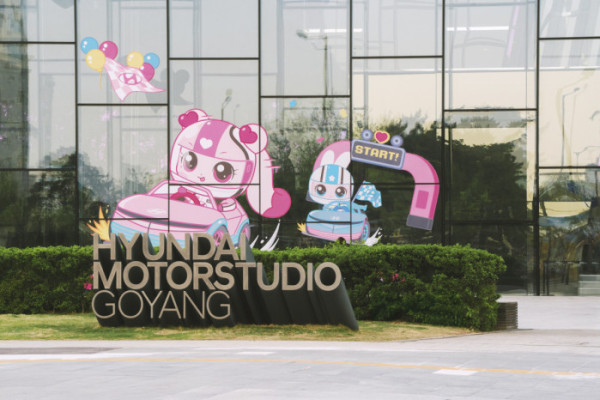
    Only a 10-minute walk from the stadium, this is Korea’s largest automotive theme park. You can explore the permanent exhibition for under 10,000 KRW, which takes you through the fascinating journey of how a car is built using high-tech robotics. Don’t miss the 4D Ride, a high-octane simulator where you can experience the thrill of a world-class rally race through futuristic special effects.

    3. Sambangga Strawberry Land

    Best for: Foodies and “Strawberry Lovers” Korean strawberries are world-famous for being incredibly sweet and juicy, and this 800-pyeong eco-friendly farm uses modern hydroponics to ensure they are clean and easy to pick. You can enjoy hands-on activities like making your own strawberry jam or even strawberry chocolate. If you’re a fan of fresh fruit, picking up a jar of their artisanal, handmade jam is the perfect way to take the taste of Korea home with you.

    4. Aqua Planet Ilsan

    Best for: A peaceful escape into the deep blue

    Another spot within a 15-minute walk of the stadium, Aqua Planet is a unique “hybrid” aquarium that houses not just marine life, but also jungle animals like lemurs and birds. It features over 300 species, including sand tiger sharks and playful seals, spread across massive themed zones like “Ocean Life” and “Aqua Forest.” It’s a great place to spend a few quiet hours wandering through underwater tunnels—a calm “zen” moment before the high energy of the BTS crowd.

    5. Ilsan Lake Park

    Best for: Stunning photos and spring vibes

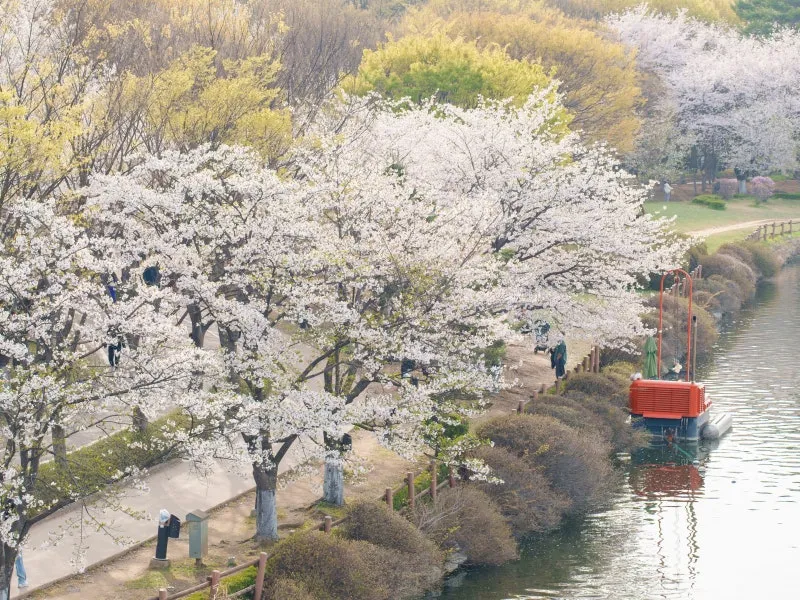
    Ilsan Lake Park is one of the largest man-made parks in Asia and a pride of the city, offering a peaceful 4.7km trail perfect for a morning stroll. Since the concert falls in mid-April, you are arriving at the absolute peak of Cherry Blossom season.

    The “Weeping Cherry Blossoms” near the shore create a pink canopy over the water, making it the ultimate spot for a pre-concert picnic or a photoshoot in your favorite concert outfit.

    6. Starfield Goyang

    Best for: All-in-one shopping and entertainment

    If you want to experience everything in one place, Starfield is your destination. This massive “shopping theme park” houses everything from global fashion brands to a specialized “Gourmet Street” featuring famous restaurants from across Korea. You can even visit Aquafield—an upscale spa and water park known for its luxurious infinity pool and themed saunas—making it the best place to handle your “wishlist” shopping and relaxation all under one roof.


    Koodeep Tip: Since thousands of ARMYs will be descending on Goyang, we recommend booking any experience tickets (like the Motorstudio or Water Park) in advance to ensure you get a spot! Enjoy the concert!

  • Traveling Korea During Seollal (Lunar New Year): What Visitors Should Know

    If you are planning to visit Korea during the Lunar New Year holiday — known as Seollal — a bit of preparation goes a long way. In 2026, the Seollal holiday period runs from February 16 (Mon) to February 18 (Wed). While it can be a fascinating cultural time to visit, travelers may also run into unexpected challenges such as heavy traffic, sold-out train tickets, and shortened business hours. With the right expectations and planning, you can turn this period into a unique and enjoyable travel experience.


    1. Long-Distance Transportation Gets Extremely Busy

    Seollal is one of the biggest family holidays in Korea. Millions of people travel from Seoul and other big cities back to their hometowns.

    Early holiday period (Feb 14–16): outbound rush

    • Trains and express buses from Seoul to regional cities sell out quickly
    • Highways leaving Seoul often experience severe congestion
    • Last-minute tickets are very difficult to secure
    • Travel times by car can double or triple

    Holiday peak & return period (Feb 17–18): inbound rush

    • Return tickets back to Seoul are hardest to get
    • Express bus terminals and train stations become crowded
    • Highways toward Seoul are heavily congested

    If you plan intercity travel during these dates, book KTX and bus tickets as early as possible. Flexible timing (very early morning or late night departures) increases your chances.


    2. Some Stores and Restaurants Close (or Shorten Hours)

    During Seollal, many family-run businesses close, especially:

    • Small restaurants
    • Traditional markets
    • Independent shops
    • Local clinics and service businesses

    Large chains behave differently:

    • Big supermarkets may close on the main holiday day
    • Department stores sometimes close one day
    • Franchise cafés and restaurants often remain open but with reduced hours
    • Convenience stores almost always stay open

    Tourist-heavy areas usually retain more operating businesses, but opening hours can still be shorter than usual. Checking same-day hours on map apps before visiting saves time.


    3. Tourist Sites and Palaces: Mixed Schedules

    Major attractions often remain open, but with adjustments:

    • Some museums close on the main Seollal day
    • Royal palaces and heritage sites may open but with holiday hours
    • Special cultural events and traditional performances sometimes take place

    This can actually be a bonus — you may get to see holiday folk games, traditional clothing, and seasonal foods that are not available at other times.


    4. A Big Advantage: Seoul Becomes Noticeably Quieter

    One hidden upside: Seoul gets less crowded.

    Because many residents leave the city to visit family:

    • Streets are calmer
    • Subways are less packed
    • Popular neighborhoods feel more relaxed
    • Café hopping and city walks become more pleasant

    For photographers and slow travelers, this is one of the best times to experience a more peaceful version of Seoul.


    5. Food Planning Matters More Than Usual

    Since some restaurants close, it helps to plan meals:

    • Keep a list of backup restaurants
    • Use convenience stores and food courts if needed
    • Hotel restaurants usually operate normally
    • Delivery apps still run in major cities (though selection may shrink)

    All-you-can-eat chains, franchise eateries, and mall restaurants are your most reliable options during the holiday window.


    6. Extra Practical Tips for Seollal Travelers

    A few smart moves make holiday travel smoother:

    • Book intercity transport early
    • Reserve hotels near train or bus terminals if moving cities
    • Carry some cash — smaller places may be closed but kiosks still operate
    • Expect family crowds at parks and cultural sites
    • Try holiday foods if you see them — seasonal items appear briefly
    • Allow buffer time for every long trip

    7. The Cultural Side: Why It’s Still Worth It

    Seollal is when Korean traditions are most visible — family gatherings, ritual foods, traditional games, and hanbok clothing. Even with closures and traffic, you gain a rare window into how the country actually celebrates its most important holiday.

    With smart scheduling and flexible plans, traveling Korea during Seollal can feel less like a disruption and more like privileged access to real seasonal culture.

  • Free BTS Performance at Gwanghwamun on March 21 — What to Know & Where to Stay If Hotels Are Sold Out

    As BTS return with their new album Arirang on March 20, excitement has reached a level rarely seen in Seoul. The very next day, March 21, the group will hold a free outdoor performance at Gwanghwamun Square—and fans from around the world are already planning trips around it. City estimates suggest up to 200,000 people could gather for a plaza designed to hold far fewer, and hotel prices around Gwanghwamun have surged dramatically, with budget rooms jumping several times their usual rates and many top hotels already fully booked.

    Gwanghwammun Square is already preparing foro March 21 concert.

    If you’re hoping to experience the atmosphere—even without guaranteed sightlines—this free show is still one of the most special moments of the entire tour. And if staying right by Gwanghwamun is no longer realistic, there are smart, well-connected neighborhoods that make excellent alternatives.


    1. Euljiro 4-ga — Central, Connected, and Practical

    Euljiro 4-ga sits just east of Gwanghwamun in the heart of downtown Seoul, making it one of the most convenient backup options. The area offers excellent access to central Seoul and connects directly to Gwanghwamun Station via Subway Line 5, keeping travel simple even on a crowded concert day. Hotels here are often more available than in the immediate Gwanghwamun zone, and the neighborhood blends historic streets with newer cafés and restaurants—ideal if you want to stay central without paying peak prices.


    2. Magok — New, Calm, and Surprisingly Convenient

    If central hotels are completely sold out, Magok is a strong alternative that many international visitors overlook. This newer district has modern, good-quality hotels at relatively reasonable prices, even during major events. Magok is also on Subway Line 5, which runs straight to the Gwanghwamun area, so you won’t need transfers. Compared to downtown, Magok is less crowded and quieter, making it easier to rest after a long day. It’s also close to Gimpo Airport, which is useful if you’re arriving late or leaving soon after the event.


    3. Dongdaemun — Shopping, Sights, and Easy Access

    The Dongdaemun area is another practical choice, especially if you want to combine the concert with sightseeing and shopping. With landmarks like DDP (Dongdaemun Design Plaza) and the Dongdaemun Fashion Town, there’s plenty to explore day and night. From here, Subway Line 1 takes you to Jonggak Station, putting you within walking distance of Gwanghwamun Square. Accommodation options are plentiful, and availability tends to be better than in the immediate concert zone.


    A Free Concert That Turns Seoul Into a Festival

    Gwanghwamun is usually a business-focused district that quiets down on weekends—but March 21 will be different. Cafés, restaurants, and shops are preparing for an unprecedented surge of visitors, and the entire area is expected to feel more like a city-wide festival than a single performance. Even if nearby hotels are fully booked, staying just a few subway stops away still lets you be part of this historic moment—without overpaying for a room.

    For fans planning their Seoul trip around the free Gwanghwamun show, flexibility on where you stay can make all the difference. The music may last one night, but the memories will travel much farther.

  • A BTS Fan’s Dream Itinerary in Korea: From Seoul to Busan, Gangneung, and Jecheon

    For many ARMY, attending a BTS concert in Korea is already a once-in-a-lifetime experience. But with a little planning, this trip can become something even more meaningful—a journey through places connected to BTS’s music, stories, and memories. This itinerary links Seoul, Gangneung, Busan, and Jecheon, combining concerts, music video filming locations, and some of Korea’s most beautiful scenery into one smooth route.


    Stop 1: Seoul & Goyang – Concert, City, and First BTS Moments

    Start your journey in Seoul, where most international travelers arrive and where the Goyang concert takes place. After enjoying the show, take time to explore Seoul at your own pace—neighborhood cafés, late-night food spots, and easy day trips make it a natural starting point. When you’re ready to move on, head to Seoul Station or Cheongnyangni Station to begin the next chapter of your BTS journey.


    Stop 2: Gangneung – Ocean Views and “Spring Day” Memories

    From Seoul, take the KTX to Gangneung, a coastal city on Korea’s east coast that feels calm, cinematic, and emotional in a very BTS-like way. Gangneung is best known among ARMY as the filming location for “Spring Day(봄날).” Near Jumunjin Beach, you can visit the famous bus stop set, quietly facing the sea just like in the music video. Standing there, with the waves behind you, feels like stepping directly into one of BTS’s most iconic eras.

    Beyond BTS, Gangneung offers plenty to enjoy. The city is home to filming locations from the drama “Goblin,” a well-loved coffee street filled with ocean-view cafés, and classic sights like Gyeongpo Beach and Gyeongpodae Pavilion. It’s the perfect place to slow down, reflect, and let the emotional weight of the music settle in.


    Stop 3: Gangneung → Busan – A Scenic KTX Ride South

    From Gangneung Station, board the Donghae Line KTX and travel south along Korea’s eastern coastline to Busan. This route connects two very different seas and moods, making the journey itself part of the experience. By the time you arrive in Busan, the energy shifts—bigger city, warmer air, and a strong sense of hometown pride.


    Stop 4: Busan – Following Jungkook and Jimin’s Footsteps

    Busan isn’t just a concert city—it’s Jimin’s hometown, and for many fans, that alone makes it deeply special.

    Begin with Geumjeongsan, the highest mountain in Busan and a symbol of the Geumjeong District, where Jimin grew up. You can hike up, but many visitors choose the Geumgang Park cable car, which offers panoramic views through glass cabins. From the observatory, Busan stretches out in every direction, giving you a literal overview of Jimin’s hometown.

    Next, head to Oryukdo, a stunning coastal landmark Jimin visited in 2015. The sea here feels endless and refreshing, and the exact photo spot Jimin stood on is clearly marked on the ground, making it easy for fans to recreate the moment. The surrounding hill also offers beautiful viewpoints and nearby cafés for a short break.

    As the day winds down, make your way to Dadaepo Beach, one of Busan’s most emotional sunset spots. With wide walking paths, art installations, and glowing moonlight sculptures after dark, it’s a place that naturally invites reflection—perfect for ending a day shaped by music and memories.

    Finally, visit Gamcheon Culture Village, famous for its colorful hillside houses and narrow alleys. Among its many murals, you’ll find a beloved Jungkook & Jimin wall painting, now a must-stop photo spot for ARMY. Take your time wandering, grabbing coffee, and soaking in the playful yet nostalgic atmosphere.


    Stop 5: Busan → Jecheon – “Epilogue: Young Forever”

    From Busan, take the Jungang Line KTX inland to Jecheon, a quieter city surrounded by mountains and lakes. Jecheon is best known among fans as the filming location for “Epilogue: Young Forever.” The Jecheon Airfield, with its wide open space and dramatic skies, feels instantly recognizable the moment you arrive—it’s one of those places where the music starts playing in your head automatically.

    Beyond the airfield, Jecheon offers peaceful attractions perfect for decompressing after busy city travel. The Cheongpung Lake Cable Car gives sweeping views over the water and surrounding mountains, while lakeside areas invite slow walks and deep breaths. Jecheon’s calm atmosphere makes it an ideal final BTS stop before returning to the capital.


    Final Stop: Jecheon → Seoul – Full Circle

    From Jecheon Station, take the KTX back to Seoul, completing a loop that connects music, places, and seasons. By the time you return, the trip feels less like a concert journey and more like a personal story—one shaped by landscapes, lyrics, and shared memories.


    This itinerary isn’t about rushing from spot to spot. It’s about following the emotional map of BTS, across cities that reflect different chapters of their story—and maybe your own. For ARMY, this is what traveling to Korea can truly feel like.

  • Why BTS Concert 2026 Is the Perfect Reason to Visit Korea

    Seeing BTS live in Korea is already special. But what makes this tour truly worth planning a full trip around is when it happens. With concerts expected in April (Goyang) and June (Busan), the timing aligns almost perfectly with two of the best travel seasons in Korea. From cherry blossoms to early summer breezes, these months let you experience the country at its best—both on and off the stage.


    Why April Is Perfect for Traveling to Korea (Goyang Concert)

    April is widely considered the best month to travel in Korea. The weather is comfortably warm, yet not hot, with clear skies that make walking around cities and parks genuinely enjoyable. Unlike summer, there’s no humidity, and unlike winter, no heavy layers are needed—ideal conditions for first-time visitors and packed concert schedules.

    What truly sets April apart is cherry blossom season. Korea’s cherry blossoms bloom spectacularly but briefly, and in the Seoul metropolitan area, peak bloom is usually expected between the first and second week of April. This timing matches almost perfectly with the Goyang concerts, meaning you can attend the show and still enjoy peak spring scenery.

    Ilsan Lake Park is one of the easiest cherry blossom spots to visit from Goyang Stadium – only 20 minutes walk from the stadium.

    If you’re staying near Goyang Stadium, Ilsan Lake Park is one of the easiest cherry blossom spots to visit, offering wide paths, lakeside views, and a relaxed local atmosphere. Closer to central Seoul, Sinchon transforms with blossom-lined streets around university campuses, while Yeouido is one of Korea’s most famous cherry blossom destinations, known for long riverside paths filled with trees in full bloom. In April, even a simple walk after the concert can turn into a postcard moment.

    Beyond flowers, April also means fewer crowds compared to peak summer, better hotel availability, and perfect conditions for café hopping, walking tours, and day trips—all without rushing back indoors because of the heat or cold.


    Why June Is Ideal for Traveling to Korea (Busan Concert)

    June offers a very different, but equally appealing, side of Korea. It marks the beginning of summer, yet temperatures are still manageable, especially compared to July and August. Importantly, the monsoon season usually arrives toward the end of June, which means early- and mid-June often remain dry, sunny, and travel-friendly.

    This is where Busan truly shines. As Korea’s most loved summer travel destination, Busan comes alive in early summer. Cool sea breezes make coastal areas comfortable even during the day, and evenings by the water feel refreshing rather than hot. Staying near beaches like Haeundae or Gwangalli allows you to enjoy the ocean, night views, and open-air cafés—something Seoul simply can’t offer.

    Summer night walk along Haeundae beach can be a mesmerizing moment,

    June is also an excellent time to enjoy outdoor food markets, seaside walks, and late-night city views without the intense crowds and heat of peak summer vacation season. The atmosphere feels relaxed yet lively, making it easy to balance concert excitement with real downtime.


    A Concert That Becomes a Season, Not Just a Night

    What makes this BTS tour special isn’t only the performances—it’s the timing. April and June sit right in Korea’s sweet spot for travel, offering ideal weather, seasonal scenery, and smoother logistics compared to peak tourist months. Add efficient public transportation, world-class food, and distinct regional experiences between Seoul and Busan, and the concert becomes more than an event—it becomes the centerpiece of a memorable Korean journey.

    If you’ve ever thought about visiting Korea, this is the kind of timing that turns “maybe someday” into “this is it.”

  • Too Expensive to Stay in Busan? Smart Nearby Alternatives During the BTS Concert

    As BTS’s Busan concerts approach, hotel prices across the city have surged sharply. Recent reports show that accommodation rates in central Busan and popular tourist areas have spiked during the concert period, making it difficult for many fans to find reasonably priced places to stay.

    The good news is that Busan is surrounded by well-connected cities that offer much better value, without sacrificing convenience. If you’re traveling on a budget—or simply don’t want to overpay—these nearby cities are worth serious consideration.

    1. Yangsan – The Closest and Easiest Alternative

    Yangsan is a small but well-developed city located just north of Busan, often overlooked by international travelers. If the concert is held at Busan Asiad Main Stadium, Yangsan is only about 30 minutes away by taxi, with fares around KRW 20,000, making it surprisingly accessible. Yangsan is also connected to Busan via Subway Line 2, which means you can reach central Busan without relying solely on taxis.

    Compared to Busan city hotels, accommodation prices in Yangsan are noticeably lower, while still offering clean, modern options. For fans who want to stay close without paying peak Busan prices, Yangsan is one of the most practical choices.

    2. Gimhae – Great Transport and Easy Travel

    Gimhae is another strong alternative, especially for travelers arriving by air. Located near Gimhae International Airport, this city offers excellent transportation links, including the Busan–Gimhae Light Rail Transit, which connects directly into Busan’s subway network. From Gimhae to Asiad Main Stadium, the journey is also around 30 minutes by taxi, typically costing about KRW 20,000.

    Beyond convenience, Gimhae has a relaxed atmosphere, plenty of local restaurants, and a reputation for being easy to navigate. It’s a comfortable base for fans who want affordability without feeling too far removed from Busan.

    3. Changwon – More Distance, More Flexibility

    Changwon is a larger planned city located west of Busan, and while it’s farther from Asiad Main Stadium—roughly 40 to 50 minutes by taxi, with fares around KRW 40,000—it offers unique advantages. As a well-designed city, Changwon has spacious hotels with modern designs, wide roads, and generally better availability during peak periods.

    Staying here also opens up additional travel options: you can explore Masan and Jinhae, famous for coastal scenery and local food, or even extend your trip toward Tongyeong and Geoje Island, two of southern Korea’s most beautiful destinations. If your BTS trip doubles as a broader southern Korea itinerary, Changwon can be a surprisingly strategic base.

    Changwon can be a surprisingly strategic base if you are planning a trip to Tongyeong, often called “the Korean Naples” with its scenic ocean view.

    When concert demand pushes Busan hotel prices beyond reason, looking just outside the city can make a huge difference. Yangsan, Gimhae, and Changwon all offer better value, manageable travel times, and different travel experiences, depending on your priorities. For budget-conscious fans—or travelers who prefer a calmer stay—these cities prove that you don’t actually have to sleep in Busan to enjoy a Busan concert.

  • Where to Stay for BTS Concerts in Busan: Best Hotel Areas to Consider

    BTS is set to bring their world tour to Busan in June 2026, and while the exact venue has not yet been officially confirmed, many fans expect the concert to take place at Busan Asiad Main Stadium, a venue that has hosted major BTS concerts back in 2022.

    If you’re traveling to Busan specifically for the show—or planning to turn the concert into a longer summer trip—choosing the right area to stay will make a big difference. Busan is spread out, but with the right base, getting to the stadium and enjoying the city can both be easy.

    1. Seomyeon – The Best All-Around Base in Busan

    Seomyeon is Busan’s most vibrant downtown area and one of the best places to stay for first-time visitors. It’s packed with hotels, restaurants, cafés, bars, and shopping streets, making it ideal for fans who want to enjoy Busan’s nightlife before and after the concert.

    Transportation-wise, Seomyeon is especially convenient because Subway Lines 1 and 2 intersect here, allowing easy access not only to the Asiad Stadium area but also to beach destinations like Haeundae and Gwangalli. If you want a balance of convenience, energy, and accommodation options, Seomyeon is often the safest and most flexible choice.

    2. Busan Station Area – Best for Multi-City Travel

    Staying near Busan Station makes sense if your BTS trip is part of a larger Korea itinerary. Just like Seoul Station in the capital, Busan Station is the city’s main transportation hub, with KTX trains connecting Busan to Seoul and other major cities like Daegu and Daejeon. This area works especially well if you’re heading back to Seoul, moving on to other regions, or arriving late at night by train. While Busan Station itself is quieter at night than Seomyeon, there are plenty of hotels nearby, and subway access makes it easy to reach the stadium and other parts of the city.

    3. Gwangalli & Haeundae – Summer Beach Vibes with a View

    Gwangalli and Haeundae are Busan’s most famous beach areas and the first places many international travelers think of when visiting the city. While these areas are farther from Asiad Main Stadium than Seomyeon or northern districts, they shine in one important way: summer atmosphere.

    Since the Busan concerts are scheduled for June, staying by the sea lets you enjoy cool ocean breezes, beach walks, and iconic coastal views during the hottest part of the day. If you’re willing to trade slightly longer travel time for a classic Busan summer experience, these beach neighborhoods are hard to beat.

    4. Gupo & Deokcheon – Closest and Most Budget-Friendly

    For fans who prioritize convenience and value, Gupo and Deokcheon are highly underrated options. These areas are only about 15 minutes from Asiad Main Stadium by taxi or subway, making concert-day travel extremely easy. Gupo Station is also a KTX stop, and the area is close to Gimhae International Airport, which is ideal for both domestic and international travelers. Compared to central Busan or beach areas, hotels here tend to be more affordable, making this a smart choice if prices spike closer to the concert dates.


    Busan offers very different experiences depending on where you stay—from energetic downtown streets to calm residential areas and iconic beaches. Whether you want nightlife, fast intercity travel, summer ocean views, or the shortest ride back from the concert, these four areas cover every travel style.

  • Where to Stay for BTS Concerts in Goyang: Best Hotel Areas for International Fans

    With BTS returning to Korea for their 2026 world tour, fans from all over the world are planning trips around the Goyang Stadium shows on April 9 and April 11–12. If you’re flying into Korea or traveling domestically for the concert, choosing the right area to stay can make your entire trip smoother and more enjoyable.

    Goyang sits just northwest of Seoul, which means several Seoul neighborhoods offer excellent access—without forcing you to stay right next to the stadium. Here are the best areas to consider, depending on your travel style.

    1. Hongdae / Sinchon – The Best All-Around Option

    Hongdae and Sinchon are often the top choice for international visitors, and for good reason. Goyang is located in the northwest of Seoul, making this area geographically convenient, and there are direct metropolitan buses (광역버스) that can take you to the Goyang Stadium area without complicated transfers.

    Beyond transportation, Hongdae and Sinchon offer exactly what many overseas fans want: lively nightlife, endless cafés, restaurants, shopping streets, and a wide range of hotels and guesthouses. If this is your first time in Korea, staying here lets you enjoy the concert while also experiencing one of Seoul’s most foreigner-friendly neighborhoods.

    2. Seoul Station Area – Ideal for Fast Transit and Multi-City Travel

    Staying near Seoul Station is another strong option, especially if you plan to travel beyond Seoul after the concert. From Seoul Station, you can take GTX-A directly to Kintex Station, which significantly cuts down travel time to Goyang. GTX trains are faster and more comfortable than regular subways, making concert-day travel less exhausting.

    Seoul Station is also Korea’s main transportation hub, so if you’re heading to Busan, Jeonju, or other cities after the show, this location is extremely convenient. The area around Seoul Station also offers a surprisingly wide range of hotels, from budget options to well-known international chains.

    3. Magok Station Area – A Smart Backup with Great Value

    As concert dates approach, affordable and well-located hotels in Hongdae or near Seoul Station tend to sell out quickly. In that case, Magok Station becomes a very smart alternative. This area has many newer hotels with good quality at relatively reasonable prices, and it’s much quieter than central tourist zones.

    Magok is also close to Gimpo Airport, making it perfect if you’re planning to connect your BTS trip with a quick getaway to Jeju Island. While it’s less lively than Hongdae, that also means fewer crowds and more rest. If traffic is smooth, a taxi ride to Goyang Stadium takes around 30 minutes, which is very manageable on concert days.

    4. Gimpo Hangang New Town – Calm, Affordable, and Surprisingly Close

    For fans who prefer a quieter stay and better hotel prices, the Gimpo Hangang area is worth considering. This planned new-town district is calmer than Seoul, with modern hotels that are often more affordable during peak concert periods. Goyang Stadium is only about a 20-minute taxi ride away, making it one of the closest non-Seoul options.

    Another advantage is nearby shopping, including Hyundai Premium Outlets Gimpo, which is great if you want to combine concert travel with shopping. This area works especially well for fans who value space, calm evenings, and cost efficiency over nightlife.


    For BTS concerts in Goyang, there’s no single “perfect” area—only the one that best matches your travel plans. Whether you want nightlife, fast trains, quiet comfort, or shopping-friendly locations, these four areas cover every style of stay. This is just the beginning of Koodeep’s BTS Korea travel series, designed to help you enjoy the concert and Korea a little deeper.

  • K-Body Scrub: Why Koreans Love Ttaemili and Where Travelers Can Try It

    K-pop and Korean dramas have already taken the world by storm — but lately, another everyday ritual has quietly entered the spotlight: ttaemili, the Korean tradition of body scrubbing. Pop culture helped push it into view.

    In K-Pop Demon Hunters, the K Pop group Huntrix relaxes inside a Korean jjimjilbang, soaking in hot baths and experiencing a professional scrub. For many viewers, it was their first introduction to public bath culture in Korea — and to a scrubbing ritual that looks intense, yet strangely refreshing.

    Ttaemili is more than a spa treatment. For many Koreans, it is about cleansing deeply, relaxing fully, and symbolically wiping away fatigue — even “scrubbing off the old year” around New Year’s Day. If you are curious about how it works and where you can try it, this guide walks you through everything.


    1. What exactly is ttaemili?

    Ttaemili refers to the deep exfoliating scrub, often performed by a trained professional called a sesin-sa (세신사).

    You first soak in warm baths or saunas so your skin softens. Then the sesin-sa uses a rough textured towel to scrub your entire body. Layers of dead skin roll off, leaving the skin smooth, light, and incredibly clean.

    It can feel strong — but most people say the result is worth it.


    2. Where can travelers experience ttaemili?

    You don’t need a luxury spa. In Korea, ttaemili is part of everyday life, and you can find it in:

    • Public bathhouses (목욕탕)
    • Jjimjilbangs (찜질방) — large bath and sauna complexes
    • Private one-person scrub shops, many designed with foreign visitors in mind

    Almost every bath facility has a scrubbing section with professional sesin-sa (세신사), typically women for women and men for men. The service usually costs around 30,000–60,000 KRW, depending on location and what is included (body scrub only, or body plus light massage, etc.).

    Compared with Western spa exfoliation treatments, it is surprisingly affordable — and much more traditional.

    Because demand from foreign visitors has surged, some hotels now even offer scrub packages.


    3. Helpful Korean phrases to use

    You can manage with English in most places, but a few Korean phrases make everything easier — and friendlier.

    • “때 밀고 싶어요.” (ttae mil-go si-peo-yo)
      I would like to get a body scrub.
    • “덜 아프게 해주세요.” (deol a-peu-ge hae-ju-se-yo)
      Please do it more gently.
    • “세게 해주세요.” (se-ge hae-ju-se-yo)
      Please do it stronger.
    • “얼마예요?” (eol-ma-ye-yo)
      How much is it?

    Even saying one sentence in Korean usually brings a smile — and helps you get exactly the kind of scrub you want.


    4. The famous ttaemili towel

    If you’d rather try self-scrubbing, Koreans use a special towel called 때수건 (ttaemili towel). It is rougher than normal cloth, which is why it works so well after a long soak.

    You can buy it easily:

    • Daiso (the popular discount store found everywhere)
    • Traditional markets
    • Household goods shops and some convenience stores

    They are cheap, and many tourists buy multiple towels as gifts because they feel “so uniquely Korean” with their vivid colors.


    5. What does ttaemili mean to Koreans?

    Beyond exfoliation, ttaemili is tied to family memories and care. Parents scrubbed children, grandparents scrubbed grandchildren — the bathhouse was a place to talk, relax, and bond.

    There is also symbolism. Many families still visit the bathhouse around January 1st to scrub themselves clean, as if removing the past year and welcoming the new one with a refreshed body and spirit.

    Ttaemili is everyday, practical — and quietly meaningful.


    6. A rising global trend

    With dramas, films, and social media showing jjimjilbang scenes, curiosity exploded. Shops report foreign travelers buying dozens of towels at once. Hotels and boutique scrub studios are adding specialized scrub programs because most of their customers are now international.

    What used to be an ordinary weekend ritual is now joining K-food and K-beauty as another global curiosity: K-scrub.


    7. Is ttaemili right for everyone?

    If your skin is extremely sensitive or you have medical conditions, ask first or choose a very gentle scrub. Otherwise, most visitors simply adjust the pressure — lighter or stronger — and enjoy the feeling of deep cleansing.

    The rule is simple: soak long enough, relax, and let the sesin-sa do their job.


    Final thoughts

    Ttaemili may look unusual at first, but it reveals something beautiful about Korean culture: care, renewal, and the comfort of shared rituals. Whether you experience it in a neighborhood bathhouse, a jjimjilbang, or a dedicated scrub studio, it offers one of the most authentic ways to experience daily life in Korea.