Korea’s hotels are clean, efficient, and increasingly eco-focused, making them comfortable for international travelers. Still, there are a few local customs and policies that may be unfamiliar if you’re visiting for the first time. Below is a short guide to help you navigate your stay more smoothly — from eco-friendly amenities to cultural habits and facility fees.
1. Eco-Friendly Policies: Fewer Disposable Amenities
In line with Korea’s expanding environmental regulations, many hotels no longer provide complimentary disposable toiletries such as toothbrushes, toothpaste, and razors. These items are often available for purchase at the front desk, but prices can be higher than at local convenience stores. If you plan to stay multiple nights, it’s usually more economical to buy them at a nearby CU, GS25, or 7-Eleven.
Shampoo, conditioner, and body wash are generally offered in refillable pump bottles rather than small single-use containers. This is part of the national effort to reduce plastic waste, and most hotels, from budget chains to luxury properties, have adopted this system.
Traveler tip:
Bring your own toothbrush kit for convenience, or pick one up at a convenience store before checking in.
2. Indoor Culture: Shoes Off and Clean Floors
Korean houses traditionally require you to remove shoes before entering, and this cultural habit subtly influences hotel practices as well. Many hotels provide indoor slippers in every room, and housekeeping teams maintain the floors so meticulously that walking barefoot is common and perfectly acceptable.
Whether you prefer slippers or bare feet, you can comfortably move around your room without concern — a small but appreciated detail for many travelers.
3. Pools, Saunas, and Fitness Centers May Require Extra Fees
While some hotels offer free access to the gym or pool, others — especially high-end or business hotels — may charge additional fees for swimming pools, saunas, or spa facilities. These fees vary widely depending on the property and can sometimes apply to both guests and external visitors.
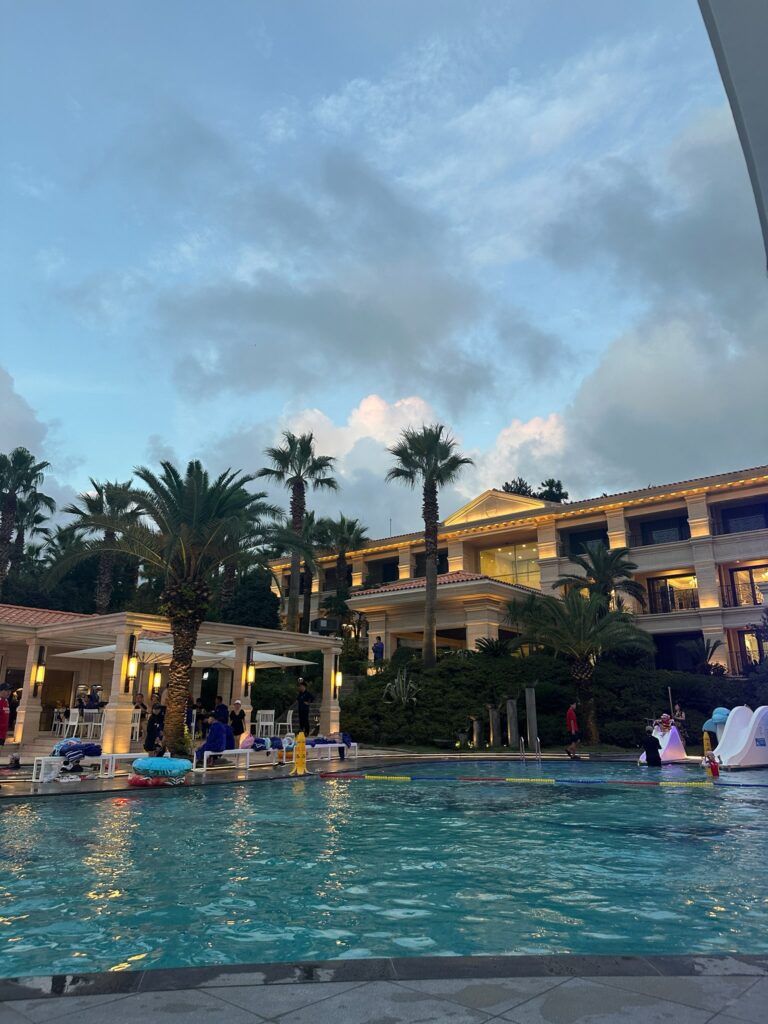
Before booking, it’s worth checking the facility policy if you plan to enjoy the wellness amenities.
Traveler tip:
If access to the pool or sauna is important to you, choose hotels that clearly specify “free facility access” in the room description.
4. Heating and Cooling Tips for Korean Rooms
Korean hotels often use Ondol (floor heating) during winter, which warms the room from the ground up. If the room feels too warm, lowering the temperature slightly or switching to ventilation mode usually helps. In summer, air conditioners are powerful but may be controlled centrally in some hotels — meaning the temperature range could be limited.
5. Convenience Stores and Delivery Culture
One of Korea’s best hotel perks is the easy access to convenience stores and food delivery. Most hotels are within a one-minute walk of a convenience store, and many allow food delivery (배달) directly to the lobby. Guests often order Korean fried chicken, noodles, or desserts to enjoy in their rooms.
Traveler tip:
Ask the front desk about the delivery policy — some hotels require guests to pick up orders from the lobby.
6. Check-In Technology and Digital Amenities
Self check-in kiosks are becoming increasingly common, speeding up the arrival process. Hotels also tend to offer fast Wi-Fi, multiple universal power outlets, and sometimes even smart TVs with built-in streaming apps.
Final Thoughts
Korean hotels combine practicality, cleanliness, and cultural touches that make stays comfortable for foreign travelers. Whether you’re adjusting to eco policies, enjoying spotless rooms, or exploring facility perks, these small insights help you travel with confidence — and make your stay in Korea even more enjoyable.
Leave a Reply