Author: koodeep

  • Korea Eases Visa Rules and Launches New Internship Pathway for Foreigners Who Want to Work in Korea (2025 Update)

    If you’re planning to work in Korea or build a long-term career here, the Korean government has just announced major updates for 2025 that make the path much easier. From a new internship program to relaxed visa rules for qualified graduates, Korea is opening more doors for global talent, especially students and young professionals who want hands-on experience in Korean companies.

    Here’s a simple breakdown of what changed — and what it means for you.


    1. New “K-Trainee Program”: A Direct Internship Route Into Korean Companies

    Korea has introduced the K-Trainee Program, a company-tailored internship system designed specifically for foreign students and professionals overseas.

    Who can apply?

    • Students in 3rd year or higher at overseas universities partnered with Korean companies (including master’s/PhD students).
    • Employees already hired by a Korean company’s overseas branch.

    Why this matters

    This program allows you to:

    • Intern at the Korean headquarters of global Korean companies such as Samsung Electronics and Hyundai Motors
    • Build real work experience in Korea
    • Strengthen your chances of long-term employment
    • Become a “company-trained” global talent who understands both Korea and the local market

    For many foreigners looking for a pathway into the Korean job market, this is one of the most practical and structured entry points ever introduced.

    The program will first operate in major Asian countries with strong Korean corporate presence, and may expand to other countries later.

    Seoul’s skyline on a clear summer day — a reminder of where many global careers in Korea begin.

    2. Easier Job-Seeking Visas for Top University Graduates and Korean-Studies Majors

    Another significant update is the relaxation or exemption of visa requirements for certain applicants.

    Who benefits?

    • Graduates from Top 200 global universities
    • Engineering/STEM graduates from QS Top 1,000 universities in selected Asian countries
    • Korean-studies majors with TOPIK Level 6 (the highest Korean proficiency level)

    What this means

    If you meet one of these criteria, it becomes much easier to get a job-seeking or employment visa in Korea, giving you more freedom to explore opportunities in Korean industries such as tech, gaming, finance, engineering, entertainment, and more.


    3. Longer D-10 Job-Seeking Visa for Foreign Graduates in Korea

    If you already studied in Korea and want to stay and find a job, the D-10 visa just got more flexible.

    Key improvements

    • Maximum stay extended from 2 years → 3 years
    • Internship participation under the D-10 visa is also being extended

    This gives foreign graduates more time, stability, and opportunities to secure a job in Korea — a major boost for those building their post-university life here.


    Why These Changes Are Important for Foreign Job Seekers

    Korea’s job market is becoming increasingly global. Companies need employees who understand multiple cultures, languages, and markets — especially as they expand across Asia and beyond. These new policies signal that Korea actively wants more international talent and is creating clearer, more supportive pathways for foreigners to train, work, and settle.

    If you’ve been thinking about starting your career in Korea, this is one of the most promising moments in recent years to explore internships, apply for new visa categories, or begin planning your job search.

    Koodeep will continue sharing insider guides on Korean work culture, visa navigation, and career strategies — helping you make your next step in Korea with confidence.

  • Stellar Haeundae: When Winter Nights in Busan Turn into a Galaxy

    If you head down to Busan this winter, you’ll find Haeundae Beach glowing in a way that feels almost otherworldly. From November 29, 2025 to January 18, 2026, the district transforms into a luminous seaside universe for the 12th Haeundae Light Festival, a yearly tradition that has become one of Korea’s most enchanting winter events.

    This year’s theme, “Stellar Haeundae,” imagines starlight flowing like waves across the city—starting from the entrance of Gunam-ro and drifting all the way to the dark, quiet ocean at Haeundae Beach. A giant illuminated gate welcomes visitors at the beginning of the street, followed by the Stellar Wave Zone, where rippling bands of light guide you toward the sea like a cosmic pathway. And of course, the iconic Christmas trees return this year in three sizes—3m, 5m, and 8m—decorated with small ornaments that help set a cozy holiday mood.

    Down at Haeundae Square, things get even more interactive. Every evening from 6pm to 10pm, visitors can try hands-on activities like sand art, line art, photo booths, and even energy-producing bicycles that light up installations as you pedal.

    The highlight at the beach itself is a huge 10-meter glowing Earth installation, used as part of a nighttime media-art show. Stretching 180 meters across the sand, the Haeundae Universe Zone recreates a Milky Way path lined with twinkling bulbs, planets, spaceships, and star sculptures. Walking here truly feels like strolling through a quiet interstellar world with the ocean right beside you.

    The official lighting ceremony opens on November 29 at 6pm, featuring a performance by DK from vocal duo December, followed by a fireworks display over the sea—one of the most magical ways to kick off the winter season.

    If your Korea plans include Busan, or if you’re already living here and want a break from city bustle, this festival gives you a rare chance to see Haeundae’s famous shoreline reimagined as a star-filled universe. Wrap up warm, grab a hot drink, and let the lights guide you through one of Korea’s most atmospheric winter nights.

  • Foreign Student Numbers Triple in 10 Years: Korean Campuses Are Becoming More Diverse Than Ever

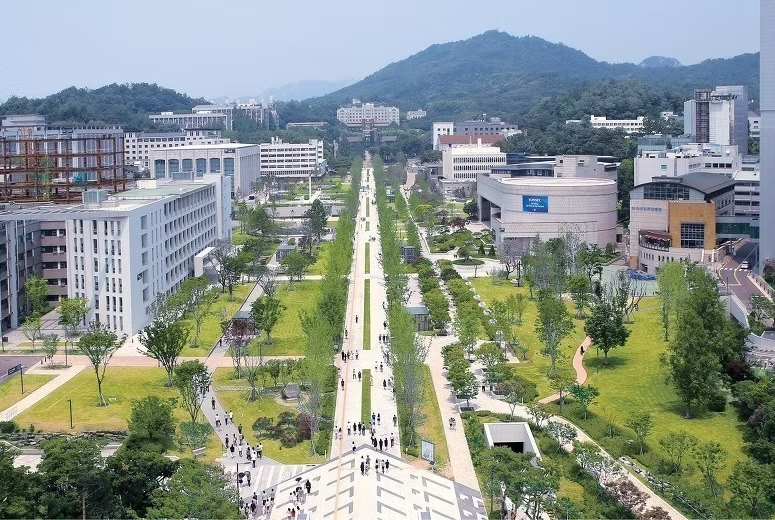
    K-culture isn’t just dominating global screens anymore—it’s filling Korean classrooms. As interest in Korea continues to surge, the number of international students enrolled in degree programs at Korean colleges and universities has grown dramatically. According to recent data from the Korean Educational Development Institute, as of April this year, 179,190 international students were pursuing degrees in Korea, a figure more than three times larger than in 2015.

    One of the most noticeable shifts is the changing composition of this student population. A decade ago, over 60% of all international students in Korea were from China. This year, for the first time, non-Chinese students outnumbered Chinese students. Chinese enrollment did rise in absolute numbers, but the increase from Southeast Asia and Central Asia was far more rapid.

    This spring, China still ranks first in total student numbers with around 68,000 students, but that now represents only 38% of all international degree-seeking students. Meanwhile, enrollments from other countries have soared—from about 20,000 non-Chinese students in 2015 to more than 111,000 today.

    The countries showing the fastest growth include:

    • Vietnam: 40,865 students (a nearly 1,000-person jump in just one year, and a sixteenfold increase over the past decade)
    • Uzbekistan: 14,318 students
    • Nepal: 12,626 students
    • Mongolia: 10,570 students

    Many of these students choose Korea because of its rising economic influence and strong job market. Some hope to find employment in Korea after graduation, while others plan to return home and work for Korean companies expanding across Asia. Still, some experts express concern that financially struggling universities may be competing too aggressively for foreign tuition, potentially affecting the overall quality of education.

    As a result, Korean campuses are undeniably becoming more global—walk through a student cafeteria or ride Line 2 at rush hour and you’ll hear a rich mix of languages that would have been rare just a decade ago. And as more international students arrive, so does the need for a helpful guide to navigate life here, from daily tips to cultural context.

    That’s where Koodeep steps in. If Korea is becoming more diverse year by year, someone has to help everyone dive a little deeper, right? So to all the new students exploring campus life in Korea—welcome, and feel free to deep dive with us anytime.

  • Where to Shower in Korea When You’re Traveling: Affordable and Convenient Options

    When you’re traveling in Korea, there are plenty of moments when you might want a place to freshen up. Maybe you arrived early in the morning and your hotel check-in isn’t until the afternoon. Maybe it’s your last day in Seoul, you’ve already checked out, and you want to keep exploring before your flight. The great news is that Korea offers many affordable, clean, and convenient places where you can take a shower without needing a hotel room.

    Below are three of the most practical options for tourists.

    1. Jjimjilbang: A classic Korean bathhouse experience

    A jjimjilbang is one of the most useful—and uniquely Korean—places to wash up. These public bathhouses usually include large hot-spring style tubs, saunas, showers, and resting areas. Towels and special jjimjilbang clothes are provided, and you can even enjoy meals, snacks, or drinks inside.

    Most jjimjilbangs charge ₩10,000–₩20,000 depending on the neighborhood and time of day, making them an affordable all-in-one place to relax.

    A good option for travelers staying around Sinchon or Hongdae is Supsok Hanbang Land in Seodaemun-gu. It offers all the typical jjimjilbang amenities and is conveniently located for anyone staying in the university districts of western Seoul.

    2. Local sports centers and gyms

    Korea has an enormous number of fitness centers, including publicly run gyms that are extremely budget-friendly. Many city- or district-operated sports centers sell 1-day gym passes or 1-day swimming-pool passes for under ₩10,000, and all of them include shower facilities. These centers are clean, safe, and perfect for travelers who want a quick workout and a proper wash afterwards.

    One great example is Hoehyeon Sports Center, located just a short walk from Myeongdong. They offer both 1-day gym and 1-day swimming pool passes for around ₩6,000, making it one of the most affordable options in central Seoul. After exercising, you can head straight to the public bath and shower area inside the facility.

    3. Incheon Airport shower rooms

    If you need to freshen up right before your flight, both Terminal 1 and Terminal 2 at Incheon International Airport have dedicated shower facilities. For ₩15,000, travelers receive a shower room, basic amenities, and towels—ideal for long-haul flights. Transit passengers receive discounted rates, making it especially convenient if you’re connecting through Korea. The facilities are clean, efficient, and easy to access once you’re inside the airport terminals.


    Whether you want a full bathhouse experience, a quick gym shower, or a pre-flight freshen-up, Korea offers plenty of comfortable and wallet-friendly options for travelers. These spots help you stay refreshed no matter where your itinerary takes you.

  • Leaving Your Job in Korea: What You Need to Know

    Deciding to leave your job in Korea can feel overwhelming, especially if you’re navigating a different legal and workplace culture. The good news: the actual legal rules for resignation are simpler than many people expect, but there are still important documents and practical steps you shouldn’t miss. This guide walks you through the essentials so your transition is smooth and stress-free.

    1. Do you need to give advance notice?

    Under Korean law, if your employment contract does not include a resignation-notice clause and your job is not a fixed-term contract, you’re not legally required to give any specific notice period. In fact, it is technically possible to resign on the same day you inform your employer.

    Still, workplace norms are different from the minimum legal requirement. In most companies, employees are encouraged to give at least two weeks’ notice, and a one-month notice is often considered ideal. This gives your team time to adjust, hand over tasks, or find a replacement—and it reduces the chances of unnecessary conflict during your final weeks. Following these practical norms usually leads to a much more positive exit experience.

    2. Key documents to request before you leave

    Before your final day, make sure you secure all the essential documents you’ll likely need for taxes, future employment, visa applications, or unemployment benefits.

    Employment Certificate (경력증명서)

    This is the official proof that you worked at your company.

    • Often required when joining a new employer in Korea
    • Commonly requested when applying for loans
    • May be needed for certain visa applications abroad

    Having it issued immediately after resignation makes future procedures much easier.

    Withholding Tax Receipt (원천징수영수증)

    This shows your annual income and tax payments for the year you leave.

    • Required for year-end tax settlement if you work at another company in the same year
    • Useful for personal income tax filings, especially if you become a freelancer or business owner

    Always ask for both a printed and a PDF copy for your records.

    Resignation Confirmation (퇴사확인서)

    A key document showing your final working day and reason for leaving.

    • Mandatory when applying for unemployment benefits
    • Sometimes requested for reemployment support programs

    Even if you don’t plan to apply for benefits, it’s smart to keep this on file.

    Severance Pay Statement (퇴직금 정산내역서)

    This breaks down how your severance was calculated.

    • Lets you confirm the calculation of severance and taxes
    • Helps you check whether items like unused annual leave or long-service allowances were correctly included

    It’s your strongest proof if any dispute arises later.

    Recent Payslips (급여명세서, last 3–6 months)

    These are often needed when switching jobs or applying for loans. Keeping a recent set is always helpful.

    4 Major Insurance Record (4대보험 자격득실 확인서)

    This record shows your enrollment history in Korea’s four social insurance programs.

    • Needed for unemployment benefits
    • Sometimes requested by future employers
    • Helps you verify severance-related numbers

    You can download it online later, but having HR issue it at resignation is the easier route.

    3. One more thing for foreigners: Check your visa conditions early

    If you’re working in Korea on a visa such as E-7, E-2, D-10, or F-series, it’s crucial to understand how resignation affects your status.

    • Some visas require reporting your resignation within a set period.
    • Many work visas require you to secure a new employer before your grace period expires.
    • If you plan to stay in Korea while job-hunting, you might need to switch to a D-10 (Job Seeker) visa.

    Korea’s immigration rules are strict about timing, so checking your visa requirements before you resign can prevent unexpected problems later.


    Leaving a job in Korea doesn’t need to be complicated. Knowing your rights, giving reasonable notice, and collecting the right documents help ensure a smooth transition to your next chapter—whether it’s a new job, a career break, or a new country.

  • Winter Pro Sports to Enjoy in Korea

    Winter in Korea is the perfect season to enjoy fast-paced indoor sports.
    If you’re looking for something exciting to do on cold evenings, these three pro leagues—KBL basketball, V-League volleyball, and Asia League ice hockey—offer some of the most energetic atmospheres you’ll find in Seoul and nearby cities.
    Here’s a quick guide with simple introductions, where to watch, and the closest upcoming games.


    KBL – Korean Basketball League

    KBL games are lively, loud, and full of fan energy. In Seoul, two rival teams even play in neighboring arenas, making it easy to catch a game spontaneously.

    Seoul Samsung Thunders

    • Home arena: Jamsil Indoor Gymnasium
    • Subway: Jamsil Sports Complex Station (Line 2)
    • Next game:
      Dec 5, 2025 – 19:00 vs Suwon KT (Home)

    Seoul SK Knights

    • Home arena: Jamsil Students’ Gymnasium
    • Subway: Jamsil Sports Complex Station (Line 2)
    • Next game:
      Dec 13, 2025 – 14:00 vs Changwon LG (Home)

    Goyang Sono Skywalkers

    • Home arena: Goyang Sono Arena
    • Subway: Daehwa Station (Line 3)
    • Next game:
      Dec 5, 2025 – 19:00 vs Seoul SK (Home)

    V-League – Korean Professional Volleyball

    Volleyball is one of Korea’s most passionate indoor sports.
    Both the men’s and women’s leagues draw loud, enthusiastic crowds—perfect if you enjoy a high-energy match day.

    Men’s: Woori Card Woori Won

    • Home arena: Jangchung Arena
    • Subway: Dongguk Univ. Station (Line 3)
    • Next game:
      Nov 26, 2025 – 19:00 vs Hyundai Capital (Home)

    Women’s: GS Caltex

    • Home arena: Jangchung Arena
    • Subway: Dongguk Univ. Station (Line 3)
    • Next game:
      Nov 28, 2025 – 19:00 vs Jungkwanjang (Home)

    Uijeongbu KB Insurance Stars (Men)

    • Home arena: Kyungmin University Gymnasium (Uijeongbu)
    • Access: Take Line 1 or Line 7 to Dobongsan Station
      Shuttle buses available on game days
    • Next game:
      Nov 29, 2025 – 14:00 vs Hyundai Capital (Home)

    Asia League Ice Hockey – HL Anyang

    The Asia League brings together teams from Korea, Japan, and other regions, and currently HL Anyang is the only Korean club in the league.
    If you’ve never watched ice hockey in Korea, this is a unique winter experience you shouldn’t miss.

    HL Anyang

    • Home arena: HL Anyang Ice Rink
    • Subway: Beomgye Station (Line 4) + short bus/walk
    • Upcoming home series:
      Dec 12–14, 2025 – Three-game home stand vs Nikko Icebucks (Japan)

    The arena is known for its close-up views and intense fan atmosphere—perfect for first-time hockey fans.

  • 2025 Korea Souvenir Fair: The Best Place to Discover Unique K-Goods

    If you love collecting souvenirs or want to bring home something truly unique from Korea, here’s an event you won’t want to miss.
    From November 21 to 23, 2025, the Korea Souvenir Fair will take place at DDP (Dongdaemun Design Plaza) — one of Seoul’s most iconic cultural venues. It’s a three-day celebration of creativity, design, and everything that makes “K-souvenirs” so much fun.

    This year’s theme is “A Land Filled with Exciting K-Goods”, and the event space is designed just like a playful theme park.


    What You’ll Find Inside

    Rather than simply selling products, the fair is designed as a full experience. As you walk through the halls, you’ll be able to browse:

    • Modern and traditional crafts
    • K-pop-inspired goods and character items
    • Locally designed stationery and home décor
    • Beauty & fashion accessories inspired by Korean aesthetics
    • Special regional souvenirs from cities across Korea

    With over 130 brands and creators participating, it’s one of the best places to discover souvenirs you won’t easily find in regular shops — perfect for gifts, collections, or a personal treat.


    For Curious Travelers and Long-Term Residents

    If you’re visiting Korea for a short trip, the fair is a convenient one-stop place to pick up meaningful keepsakes.
    If you’re living here long-term, it’s a rare chance to explore new and emerging Korean brands, meet creators, and support small businesses designing the next wave of K-goods.

    The fair also includes interactive zones, photo spots, and showcases of award-winning souvenir designs. Even if you don’t plan to buy much, it’s a fun cultural experience — a mix of theme park energy and curated art market.


    Why You Should Go

    Whether you love crafts, design, pop culture, regional goods, or just browsing creative markets, this fair is one of the most enjoyable ways to discover Korea’s souvenir culture.
    It’s also right in the heart of Seoul at DDP Art Hall 1 & 2, making it easy to visit after shopping in Dongdaemun or exploring nearby sights.

    Event Info

    – Location: DDP Art Hall 1 & 2
    – Dates: November 21–23, 2025
    More info: Official website – https://kto.visitkorea.or.kr/kor/souvenir/main.kto

  • What International Students Should Know Before Getting a Part-Time Job in Korea

    Many international students consider taking a part-time job in Korea to cover living expenses, improve Korean skills, or gain work experience. But Korea has strict immigration rules, and not knowing them can lead to serious penalties.
    Here’s a clear breakdown of what you must know before you start looking for a job.


    1. Visa Rules: D-2 and D-4 Students Need Permission to Work

    Students on D-2 (degree programs) or D-4 (language training) visas are allowed to stay in Korea for study, not for work.
    This means that part-time jobs are not automatically allowed.
    To work legally, you must meet certain conditions and receive approval for a “Permission for Part-Time Employment (체류자격 외 활동허가)” from the immigration office.

    Who is eligible?

    You must satisfy at least one of the following:

    • Have a certain level of Korean proficiency, verified by your school’s international office
      (TOPIK score or internal Korean evaluation)
    • D-4 language students may apply only after 6 months in Korea
      (Middle/high school D-4 students are not eligible.)
    • Students repeating semesters due to insufficient credits or low attendance may be excluded
    • Master’s and PhD students writing their thesis after completing coursework may be allowed, unless they clearly delayed graduation for non-academic reasons

    Working-hour restrictions

    • Up to 30 hours per week during the semester
    • No “unlimited hours” on weekends or public holidays
    • Hours must be explicitly approved by immigration

    Working without permission can lead to:

    • Deportation or an order to leave the country
    • Up to 3 years imprisonment or a fine of up to ₩30 million

    What jobs are allowed?

    Examples include:

    • Interpretation/translation
    • Cafés, restaurants, simple kitchen assistance
    • Office assistant or administrative support
    • Tourism support, duty-free shop assistance
    • English kids cafés or English camps (only with criminal background check + medical exam)
    • Manufacturing jobs only for TOPIK level 4+
    • Internship-style work in major fields (E-1 to E-7 categories) is allowed during school vacations

    Some jobs (construction, certain licensed professions, etc.) require additional qualifications.


    2. You Must Be Paid at Least Minimum Wage

    Korea has a legally enforced minimum wage, and all part-time workers — including international students — must be paid at or above this amount.

    • 2025 minimum hourly wage: ₩10,030

    Employers who pay below the minimum wage violate Korean labor law.
    You should also receive:

    • Accurate payslips
    • Proper working-hours records
    • Weekly holiday allowance if you work 15+ hours per week

    Never accept “cash under the table” offers — these often involve illegal employment and put you at risk.


    3. Workplace Culture: What to Expect

    Korean part-time jobs (알바) often come with cultural expectations that might feel new to international students.

    Communication is polite but direct

    Managers may give clear and detailed instructions. This isn’t criticism — it’s part of the efficiency-focused work culture.

    Punctuality matters

    Arriving exactly on time is considered late. Arriving 5–10 minutes early is standard.

    Uniforms or dress codes are common

    Cafés, restaurants, and retail stores often require specific clothing or aprons.

    Hierarchy exists even in part-time roles

    Older staff or full-time managers may expect you to use polite Korean (존댓말) consistently.

    Break times may be short

    Most part-time jobs offer breaks based on shift length, but they might be shorter than what some countries are used to.


    4. How to Find a Part-Time Job

    Popular platforms include:

    • Albamon (알바몬)
    • Alba Heaven (알바천국)
    • University job boards or international offices
    • Local cafés or shops that post “아르바이트 모집” signs

    Many postings require at least basic conversational Korean.
    If your Korean level is low, look for:

    • English tutoring
    • English café assistants
    • International student office jobs
    • Tourist-area part-time roles (Myeongdong, Itaewon, Hongdae)

    5. Practical Tips Before You Start Working

    • Always get written permission from immigration before starting.
    • Confirm your employer will follow immigration hour limits.
    • Keep copies of your work contract and pay slips.
    • Learn a few workplace phrases (예: “지금 도와드릴까요?”, “이거 어떻게 하면 될까요?”).
    • Report unfair treatment to the Korean Labor Office or your university’s support center.

    Working part-time in Korea can be a rewarding experience — as long as you follow the rules and know your rights.

  • Korean Hair Salon Culture: What You Should Know Before You Go

    Getting a haircut in Korea isn’t just about trimming your hair — it’s an experience.
    From the moment you walk in, Korean hair salons offer a level of service, detail, and technology that often surprises newcomers. Whether you’re here for a semester, a work assignment, or long-term living, here’s what makes Korean hair salons unique and what to expect on your first visit.


    1. Most salons are walk-in friendly — but popular ones require booking

    You can walk into many local salons without an appointment, especially in residential areas.
    However, trendy or well-known shops in places like Hongdae, Gangnam, or Seongsu often require online booking, sometimes through Naver or Instagram DMs.
    Many salons also list their stylists, portfolios, and price ranges online — choosing a stylist, not just a shop, is common.


    2. The service starts before the haircut

    Once seated, you’ll often be offered a drink, a blanket, even a phone charger.
    Stylists usually consult in detail — asking about preferred length, volume, texture, and even your drying routine.
    They’ll show sample photos on an iPad and confirm step by step, especially if you’re a foreigner unfamiliar with Korean hair trends.

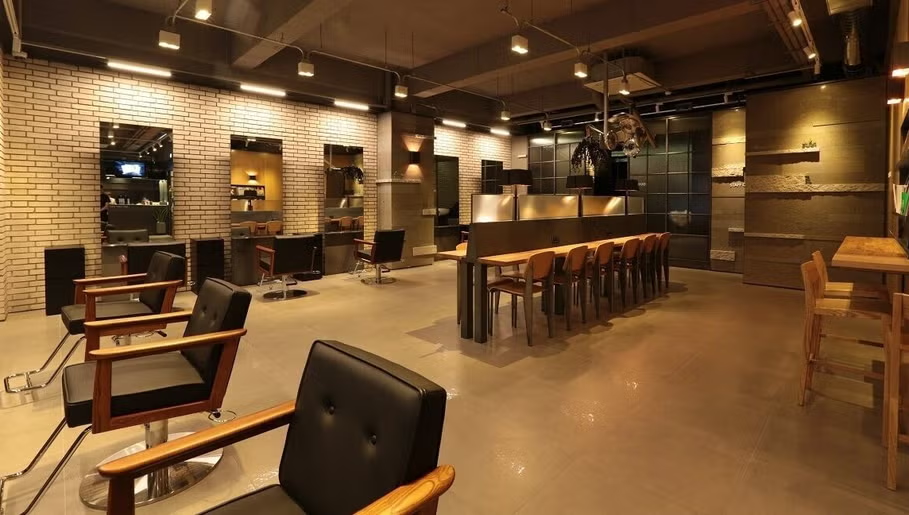
    Korean salons are known for their stylish interiors and top-tier service — brands like JUNO Hair, Lee Chul Hairkerker, and Park Seung-chul Hair Studio are among the most famous nationwide.

    3. Shampoo happens at the bowl — not the sink

    Instead of leaning backward into a sink, you’ll likely be guided to a separate reclining shampoo chair.
    Most salons include scalp massage, warm towels, and hair steaming in the basic shampoo service – without extra charge!
    Some premium salons even offer aroma scalp spa, LED scalp care, and personalized tonic sprays.


    4. Digital perms and C-curls are everywhere

    Korean perms are not the tight curls many foreigners imagine.
    Instead, you’ll hear terms like “C-curl,” “S-curl,” “see-through bangs,” or “Root volume perm.”
    These styles focus on natural waves and soft volume — a big reason Korean perms are popular worldwide.


    5. Price ranges vary widely

    • Small neighborhood salon: ₩20,000–₩40,000 for a basic cut
    • Mid-range trend salon: ₩40,000–₩80,000
    • Luxury Gangnam salon: ₩100,000+ (and perms can go far beyond that)
      Foreigners sometimes notice: stylists wash your hair, cut it, dry it, and style it themselves — instead of switching staff mid-way. It’s part of the “one-person system” that many salons follow.

    6. Tipping is not expected

    Unlike in many Western countries, tipping is not part of Korean salon culture.
    A sincere “감사합니다!” is enough, and some people leave a good review instead.


    Quick Tips Before You Go

    • Bring a photo — Korean stylists love visual references.
    • If you have very curly or textured hair, choose a salon experienced with global styles (search “foreigner-friendly hair salon Seoul”).
    • Many salons open until 9–10 PM, especially in big cities.

    Whether you’re getting your bangs trimmed or a full digital perm, Korean hair salons turn a simple haircut into a relaxing, carefully guided experience.
    It’s no wonder people say: “You don’t just get your hair done — you get pampered.”

  • Outlet Destinations Near Seoul for a Stylish Shopping Day Trip

    If you’re looking to combine shopping and a relaxing day out, Seoul’s suburban outlets offer a perfect escape. Away from the buzz of the city but still within easy reach, these destinations deliver premium brands, scenic surroundings, and unique experiences—all at outlet prices. Whether you’re on the hunt for luxury bargains, a peaceful lakeside stroll, or a last-minute shopping spree before your flight, here are four outlets near Seoul worth adding to your itinerary.


    1. Yeoju Premium Outlets (신세계 여주 프리미엄 아울렛)

    As Korea’s first and largest premium outlet, Yeoju Premium Outlets remains the pinnacle of suburban shopping. It offers the widest selection of luxury brands including Gucci, Prada, Moncler, and Balenciaga, alongside top Korean brands like Wooyoungmi—whose only dedicated outlet store in Korea can be found here. It also ranks as the top-performing outlet in the country.

    Yeoju itself is known for its high-quality rice, and just near the outlet you’ll find several traditional hanjeongsik (Korean full-course set meal) restaurants. After shopping, sitting down to a hearty Korean-style meal is the perfect way to end the day.

    Getting there is also simple: direct buses run from Seoul Express Bus Terminal (about 1 hour, one-way for ₩6,400), and Hana Tour offers charter buses from Hongdae and Hoehyeon Station (round-trip for about $10).


    2. Lotte Premium Outlets – Uiwang Branch (롯데 프리미엄 아울렛 의왕점)

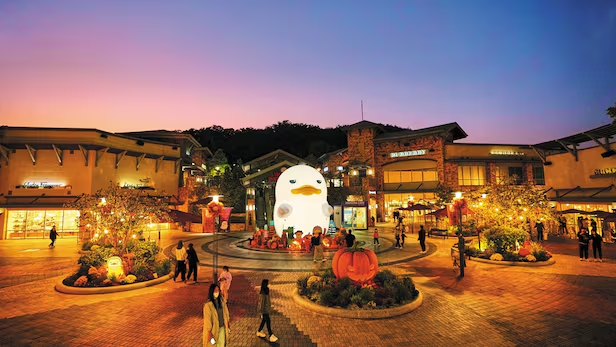
    Located just an hour from Gangnam, this outlet blends shopping with relaxation under its “rest in nature” concept. Featuring brands like Max Mara, Coach, and Etro, the structure incorporates open-air walkways that blend seamlessly into the surrounding greenery. Nearby attractions, such as Baegun Lake and Uiwang Moomin Park, also make it a fun day trip destination.

    If you’re staying in Gangnam, Uiwang is especially convenient to visit—just hop on the G3900 bus at Yangjae Station, and you’re there in about an hour. It’s ideal for those seeking a stress-free escape from the city without venturing too far.


    3. Hyundai Premium Outlets – SPACE 1 (현대 프리미엄 아울렛 스페이스원)

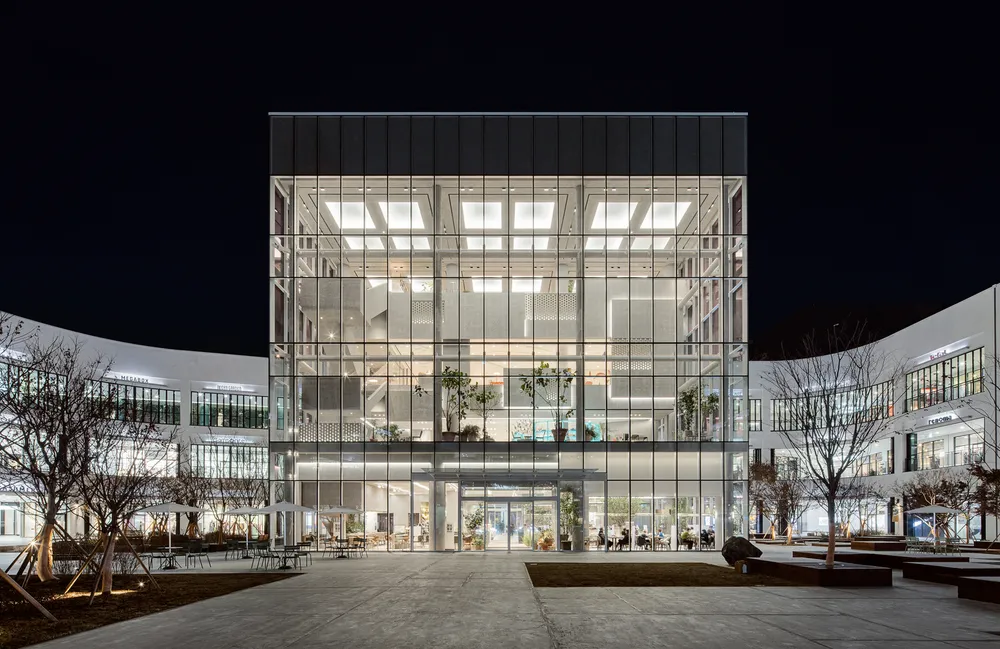
    SPACE 1 stands out from other outlets with its “vertical mall” design—it’s a multi-level complex featuring luxury brands like Valentino, Hugo Boss, and Vivienne Westwood, alongside Korean favorites like Beanpole and Hazzys. There’s even a Megabox Dolby Cinema on-site, making it a perfect place to mix shopping and entertainment.

    Located near Dasan Station on Seoul Metro Line 8, it’s incredibly accessible if you’re staying in areas like Jamsil or the southeastern part of Seoul. Spend the day browsing, catch a movie, and enjoy a relaxing dining experience—all under one roof.


    4. Hyundai Premium Outlets – Gimpo Branch (현대 프리미엄 아울렛 김포점)

    Just a short taxi ride from Gimpo or Incheon Airports, this outlet is a popular pre-departure shopping spot for foreigners. It houses an impressive lineup of brands including Gucci, Burberry, Jimmy Choo, Tod’s, Max Mara, Salvatore Ferragamo, and more. There’s also a specialized golf section, making it a must-visit for golf enthusiasts seeking apparel or equipment at great prices.

    While public transportation options may require more transfers, if you’re staying in southwest Seoul (e.g. Yeouido or Sindorim), a taxi will get you here in 20–30 minutes for ₩10,000–20,000—very reasonable for the convenience. Keep an eye out for special events like the Riverside Fireworks Festival at the WEST Water Plaza during seasonal celebrations.


    Whether you’re a dedicated bargain hunter or just love exploring new shopping destinations, these four outlets near Seoul offer more than just discounts. They blend premium retail, culture, and nature—all within reach of the city. Perfect for day trips, weekend plans, or a stylish detour before your flight, they’re a great way to experience a different side of Korea’s shopping scene.